Understanding and Supporting Children Who Resist School
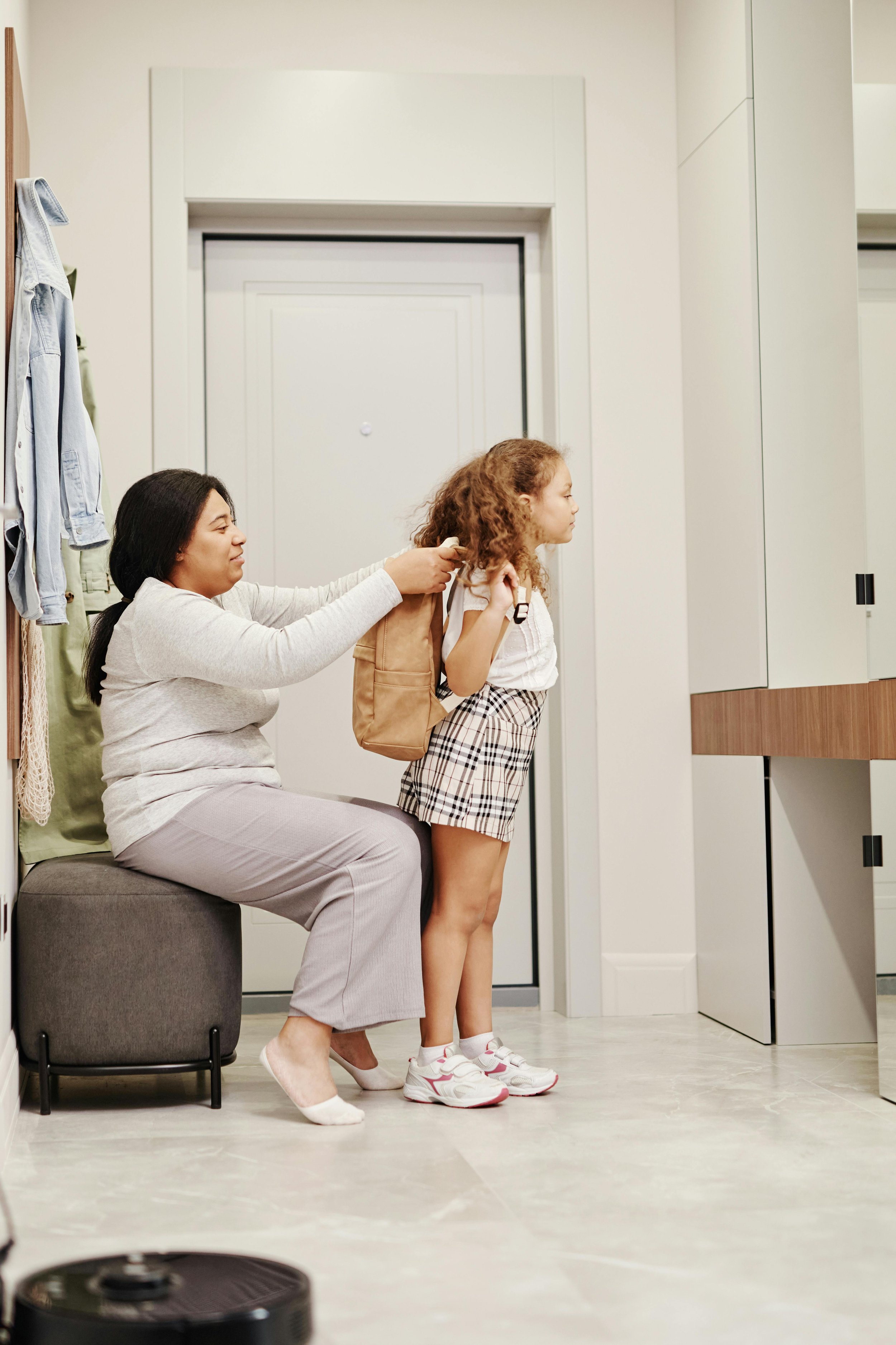
Your child used to go to school without complaint, but now mornings are a battle. They might complain of stomachaches or headaches, cry and beg to stay home, or outright refuse to get in the car. Perhaps they've been attending school but coming home increasingly distressed, and now they're saying they can't go back. Or maybe they go to school but call you repeatedly asking to be picked up, spend significant time in the nurse's office, or find ways to avoid classroom participation.
This pattern, often called "school refusal" or "school avoidance," is one of the most distressing challenges parents face. It's different from truancy (skipping school to do something more enjoyable) and different from typical reluctance about early mornings or boring classes. School refusal reflects genuine emotional distress, and it requires understanding and support rather than punishment or forced compliance.
What is School Refusal?
School refusal describes a pattern where a child experiences significant anxiety or distress about attending school and actively resists going. This isn't occasional complaints about not wanting to go to school (which many children express from time to time) but rather persistent, intense resistance that interferes with regular attendance. School refusal typically involves emotional distress (like crying, panic, or extreme worry), physical symptoms (like stomachaches, headaches, or nausea that have no medical cause), behaviors aimed at avoiding school (like missing the bus, refusing to get dressed, or locking themselves in their room), and attendance problems that impact the child's education.
School refusal affects an estimated 2-5% of school-age children at some point, though many more experience periods of heightened school-related anxiety that don't quite reach the threshold of refusal. It can occur at any age but most commonly emerges during transition points (starting kindergarten, beginning middle school, or entering high school) or after disruptions like extended breaks, illness, or traumatic events. It affects children across all backgrounds and abilities, including academically successful children who might surprise parents with their intense school anxiety.
It's important to distinguish school refusal from truancy. Truancy involves skipping school to do something more enjoyable, usually without parental knowledge, and typically without significant anxiety. Truant students may have behavioral or family issues, but they're not experiencing the intense emotional distress that characterizes school refusal. In school refusal, children stay home (usually with parents knowing they're not at school), experience genuine anxiety symptoms, and often want to be able to go to school but feel unable to manage the distress it causes.
Understanding the Underlying Causes
School refusal is a symptom, not a diagnosis. Understanding what's driving the behavior is essential to addressing it effectively. Multiple factors often contribute, and the causes can be complex and overlapping.
Anxiety disorders are the most common underlying cause of school refusal. This might include separation anxiety (fear of being away from parents or fear something bad will happen to parents while separated), social anxiety (fear of judgment, embarrassment, or social interactions at school), generalized anxiety (worry about many aspects of school like academic performance, safety, or social acceptance), or panic disorder (experiencing or fearing panic attacks at school). For children with anxiety, school becomes associated with overwhelming feelings they don't know how to manage.
Sometimes school refusal relates to specific school-based difficulties. A child might be avoiding school because of bullying or peer conflict, learning challenges that make them feel inadequate or frustrated, teacher conflicts or classroom environments where they feel unsafe or unsupported, sensory overwhelm (particularly for autistic children or those with sensory processing differences), or academic pressure and perfectionism that creates unbearable stress. In these cases, the school refusal makes sense given what the child is experiencing, even if adults haven't been fully aware of the problem.
Depression can also manifest as school refusal. When children feel hopeless, exhausted, or disconnected, getting to school can feel impossible. They may not articulate feelings of sadness but instead show physical symptoms, lack of motivation, or overwhelming fatigue that keeps them from functioning normally. Family or life stressors frequently contribute to school refusal. This might include family conflict or divorce, death of a loved one or pet, moving or changing schools, parent illness or mental health challenges, financial stress that children pick up on, or trauma exposure. When children's emotional resources are depleted by difficult life circumstances, they may not have the capacity to manage school demands.
Sometimes medical issues trigger the initial absence, but anxiety about returning after being away develops into school refusal. A child might have a legitimate illness, recover physically, but develop anxiety about what they missed, how peers will react to their absence, or whether they can keep up academically. The longer they're away, the more daunting the return becomes. For neurodivergent children, school refusal may reflect burnout or chronic overwhelm. Autistic children, children with ADHD, or those with other neurodevelopmental differences may expend enormous energy masking their differences or struggling with environments not designed for their brain styles. Eventually, they may reach a point where they simply cannot continue, and school refusal emerges as a form of self-protection.
Recognizing the Signs
School refusal typically doesn't appear suddenly without warning, and recognizing early warning signs allows for earlier intervention, which typically leads to better outcomes.
Physical Symptoms Often Appear First
Your child might complain of frequent headaches or stomachaches, particularly in the morning or when preparing for school, or report feeling nauseous, dizzy, or having other vague physical complaints that have no clear medical cause and that resolve when they're allowed to stay home.
Emotional and Behavioral Changes Signal Distress
Your child might become increasingly clingy or reluctant to separate from parents, show excessive worry about school-related situations, have tearful or emotional mornings before school, express negative statements about school or themselves, or experience sleep difficulties and increased irritability.
Avoidance Behaviors Become More Obvious
Your child might engage in time-wasting behaviors in the morning that make them late, refuse to get out of bed or get dressed, become oppositional or aggressive when parents try to get them to school, or call or text repeatedly from school asking to be picked up.
Attendance Patterns Provide Important Clues
Rather than random absences, you might notice specific patterns like consistently missing certain days of the week, avoiding days with particular classes or activities, being absent after weekends or breaks, or escalating frequency of absences over time.
Family Functioning Is Often Significantly Impacted
Parents may find themselves in increasing conflict with each other about how to handle the situation, experiencing stress that affects work, modifying their schedules to manage their child's school avoidance, or noticing that siblings are affected by the family disruption.
Recognizing these signs early allows you to intervene before the pattern becomes deeply entrenched and more difficult to change.
What Not to Do: Avoiding Common Mistakes
When faced with school refusal, parents often respond in understandable but ultimately unhelpful ways. Avoiding these common pitfalls can prevent the situation from worsening.
Don't punish, shame, or use excessive force. While it's frustrating when your child refuses school, harsh punishment, yelling, physical force, or shaming makes anxiety worse and damages your relationship without addressing the underlying problem. Your child is not being defiant or manipulative; they're genuinely distressed. Treating them as though they're choosing to misbehave will only increase their distress and potentially their resistance.
Don't allow extended absences without intervention. While one or two mental health days might occasionally be appropriate, allowing school refusal to continue for weeks without addressing it makes return increasingly difficult. The longer a child is out of school, the more anxiety builds about returning, the more they fall behind academically, the more disconnected they become from peers, and the more entrenched the avoidance pattern becomes. Compassionate firmness is key: understand your child's distress while working actively toward return.
Don't make staying home too comfortable or rewarding. If school is overwhelming but home is full of preferred activities (screens, games, social time with parents), you're inadvertently reinforcing school avoidance. This doesn't mean punishing your child for being home, but it does mean that staying home should be relatively boring and focused on wellness (rest, quiet activities) rather than highly rewarding. The goal is for school (with appropriate supports) to be more appealing than staying home.
Don't tackle this alone without professional support. School refusal almost always requires intervention from mental health professionals and collaboration with the school. Trying to manage it entirely on your own often leads to escalating conflict and worsening anxiety. Early involvement of a therapist experienced with anxiety and school refusal is one of the most important steps you can take.
Don't ignore the possibility of a legitimate problem at school. While school refusal is driven by anxiety, that anxiety may be a response to real issues like bullying, overwhelming academic demands, or an unsupportive classroom environment. Before assuming your child "just" has anxiety, investigate thoroughly to understand whether there are problems at school that need to be addressed. Sometimes children are telling us through their behavior what they can't articulate in words.
Don't compare your child to others or minimize their experience. Statements like "other kids deal with this just fine" or "you're overreacting" invalidate your child's genuine distress and damage trust. Your child's anxiety is real to them, even if the feared outcomes seem unlikely to you. Dismissing their feelings doesn't help them develop skills to manage anxiety; it just teaches them you don't understand.
Effective Strategies for Addressing School Refusal
Successfully addressing school refusal requires a comprehensive approach that addresses the underlying causes while gradually facilitating return to school.
1. Seek Professional Support Promptly
Work with a therapist who has experience with anxiety, school refusal, and child/adolescent mental health, as cognitive-behavioral therapy (CBT) is particularly effective and can help your child identify triggers, develop coping strategies, and gradually build confidence in managing difficult feelings.
2. Collaborate Closely with Your Child's School
Schedule a meeting with teachers, counselors, and administrators to explain the situation, develop a plan for supporting your child's return, identify any school-based issues that may be contributing, and establish accommodations if needed through attendance contracts or 504 plans.
3. Create a Step-by-Step Return Plan
Rather than expecting immediate full-day attendance after a long absence, establish graduated goals starting with driving by the school, then sitting in the parking lot, entering the building, attending one class, building up to a half day, and gradually increasing to full attendance.
4. Address the Morning Routine Strategically
Plan for sufficient time so your child doesn't feel rushed, maintain consistency, focus on getting them to school rather than getting them to stay all day, prepare the night before, and consider what might make mornings less stressful.
5. Work on Anxiety Management Skills
Help your child develop tools they can use when feeling anxious at school, such as deep breathing, identifying and challenging anxious thoughts, using grounding techniques, having a plan for what to do when feeling overwhelmed, or practicing self-compassion.
6. Consider Whether Learning Challenges Are Contributing
If your child has unidentified learning differences, school may genuinely feel overwhelming, and comprehensive evaluations can identify whether learning challenges, attention differences, or other factors need to be addressed through appropriate accommodations.
7. Consider Medication When Appropriate
If anxiety is severe and interfering with your child's ability to engage in therapy or attempt school return, consultation with a child psychiatrist about anti-anxiety medication may be warranted as a support alongside therapy, not as a standalone solution.
8. Maintain Firm, Compassionate Boundaries
Your message should be clear that attending school is not optional (with appropriate supports), while also communicating that you understand how hard this is and that you believe they can do this with the support you're providing.
These strategies work together to address both the emotional distress driving school refusal and the practical challenge of returning to regular attendance.
When School Refusal Indicates a Need for More Intensive Support
Most school refusal can be successfully addressed through outpatient therapy, school collaboration, and family support. However, some situations require more intensive intervention. Consider seeking additional help if school refusal persists despite several months of appropriate intervention, your child is unable to attend school at all for an extended period, the situation is causing severe family conflict or dysfunction, your child is expressing suicidal thoughts or engaging in self-harm, school refusal is part of a broader pattern of severe anxiety that impairs multiple areas of functioning, or your child has co-occurring mental health conditions that complicate the picture.
More intensive treatment options might include intensive outpatient programs (IOP) that provide several hours of therapy per day while allowing the child to sleep at home, partial hospitalization programs (PHP) that provide full-day treatment, therapeutic day schools designed for children with mental health challenges, or, in rare severe cases, residential treatment programs. These intensive options focus on stabilizing mental health while maintaining educational progress and are typically short-term interventions designed to get your child to a place where they can return to regular school with outpatient support.
Supporting Your Child Through the Process
Addressing school refusal is rarely quick or easy. It requires patience, consistency, and ongoing support. Throughout the process, maintain open communication with your child. Listen to their concerns, validate their feelings, and collaborate on solutions. When they express worry or fear, resist the urge to immediately reassure ("you'll be fine") and instead acknowledge ("that does sound scary") and help them problem-solve ("what might help you feel a little better about that?").
Celebrate small steps and progress. Each successful partial day, each morning they get ready with less resistance, each time they use a coping strategy, each moment they tolerate discomfort is worth acknowledging. This isn't about praising them for doing something they "should" do anyway; it's about recognizing that managing anxiety and pushing through avoidance takes real courage.
Take care of yourself. School refusal is exhausting and stressful for parents. You may be dealing with work conflicts due to attendance issues, relationship strain with your partner about how to handle the situation, financial stress from therapy costs or reduced work hours, worry about your child's wellbeing and future, and guilt about whether you caused or could have prevented this. Seeking your own support (through therapy, parent support groups, or trusted friends) isn't optional; it's necessary for your capacity to support your child.
Remember that school refusal is treatable. With appropriate intervention, most children successfully return to school, and the anxiety diminishes over time. However, this usually doesn't happen on its own. Active intervention is necessary, and earlier is better. The situation may get worse before it gets better, particularly as you implement strategies that involve pushing against avoidance. Persist through this difficult phase with professional support.
Moving Forward with Hope
School refusal can feel overwhelming, but with appropriate intervention, most children successfully return to school. Your child isn't being difficult for the sake of it but rather struggling with overwhelming feelings that require support. If your child is showing signs of school refusal, don't wait to see if it resolves on its own. Parent guidance consultations can help you develop an initial plan, while comprehensive evaluations can identify contributing factors like learning differences. At Mind Matters, we understand how distressing school refusal is for families and can help you navigate this challenge with compassion toward a successful return to school.
At Mind Matters, we believe every child deserves to be understood. If you have questions about your child's learning, attention, or development, we're here to help. Contact our Client Care Coordinator at 415-598-8378 or info@sfmindmatters.com to learn more about how we can support your family's journey.