Choosing a Summer Camp That Fits Your Neurodivergent Child
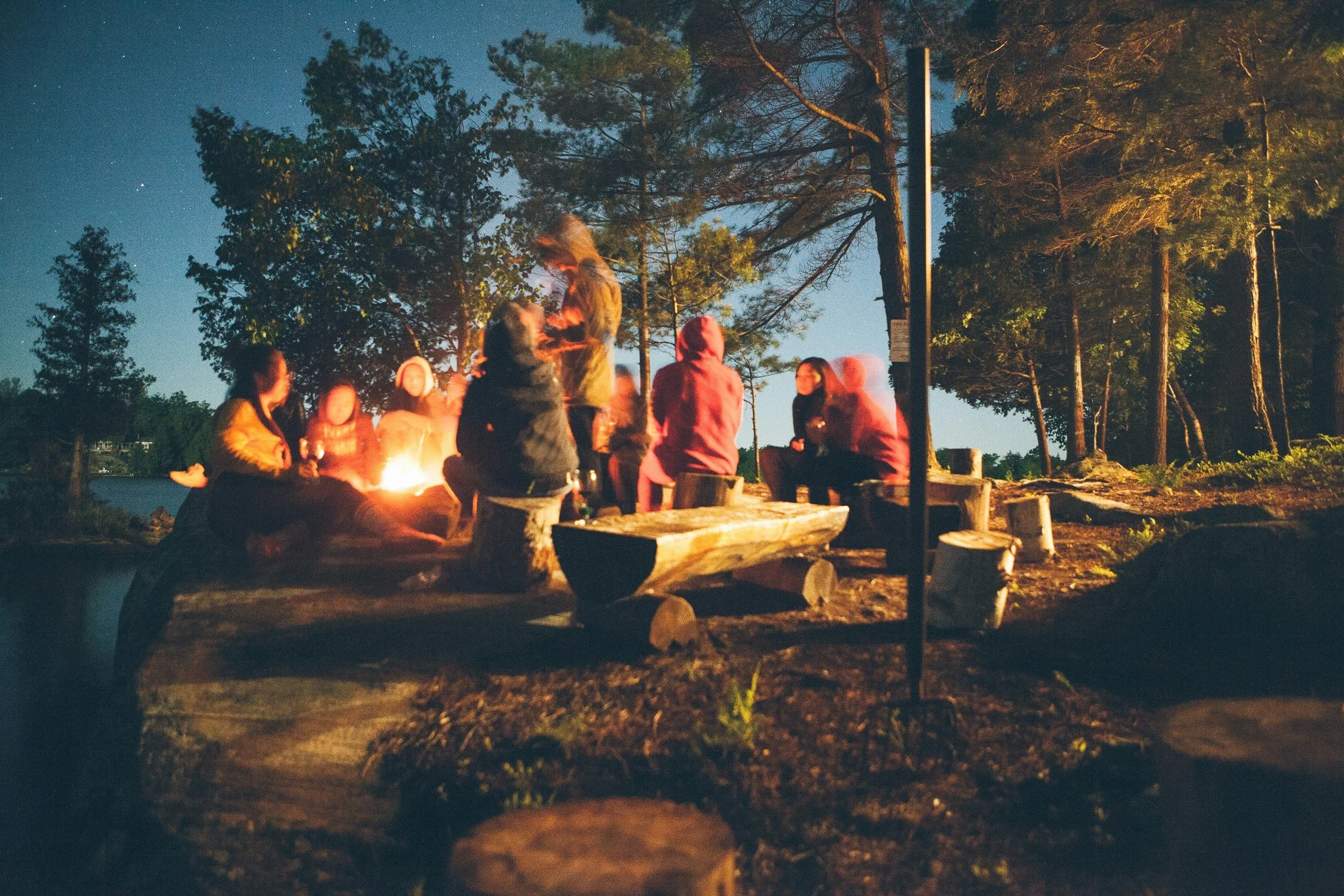
Summer camp can be one of the most memorable parts of childhood. New friendships, time outdoors, the chance to try something a child would never try at school. For families raising neurodivergent kids, though, choosing a camp can feel less like flipping through a brochure and more like solving a puzzle. Will the counselors understand sensory needs? Will the schedule be flexible enough? Will your child come home proud of their week, or quietly worn out from masking all day?
The good news is that more camps than ever are thinking carefully about neurodiversity. The harder part is figuring out which ones really live that mission and which ones use the language without the practice. This guide walks through what to look for, what to ask, and how to set your child up for a summer they will actually want to repeat.
Start with Your Child, Not the Camp
Before comparing programs, it helps to step back and think about who your child is right now, in this season of life. Camps look very different on a website than they feel on a Tuesday afternoon in July, and the only way to match the two is to know what your child actually needs.
Think about the parts of school or daily life that work for your child and the parts that drain them. A child who finds large group transitions exhausting may struggle in a camp that moves a hundred kids between five activities every day. A child who lights up around animals, water, theater, or building may do beautifully somewhere that lets them spend real time on one passion. Strengths matter just as much as challenges here, because camp is one of the few settings where kids can lead with what they love.
It also helps to bring your child into the conversation when they are old enough. Ask what made past camps fun or hard. Ask whether they want a quieter, smaller setting or a bigger social scene. Their answer might surprise you, and it almost always sharpens the search.
Understand the Different Types of Camps Available
Not every neurodivergent child needs a specialty camp, and not every mainstream camp is the right fit. Knowing the landscape helps you decide where to look first.
Some families benefit from a camp designed specifically for neurodivergent kids, where everyone on staff is trained in supporting different brain styles. Others do beautifully at inclusive mainstream camps that simply have thoughtful policies and flexible staff. And some kids thrive at specialty interest camps where a shared passion (robotics, horseback riding, art, gaming) creates instant connection regardless of neurotype. The right answer depends on your child, not on what other families in your circle are choosing.
Here are some of the most common camp categories families consider:
Neurodiversity-affirming day or sleepaway camps that center their entire program on supporting different brain styles, often with smaller groups and trained staff.
Specialized camps for specific profiles, such as programs designed for dyslexia, ADHD, or autistic campers, which sometimes pair social skill building with traditional camp fun.
Inclusive mainstream camps that welcome neurodivergent campers and have inclusion staff, individualized plans, or quiet spaces built in.
Interest-based specialty camps focused on a single passion area, where shared interests can lower the social pressure of camp.
Therapeutic or clinical programs that combine camp activities with structured support, often appropriate when a child needs more intensive intervention over the summer.
If your family is also weighing reading or learning support over the break, our overview of summer programs for students with dyslexia and learning disabilities walks through those academic options in more detail.
Questions to Ask Before You Commit
Once you have narrowed down your list, the real work begins. Camp websites are written by marketing teams. The director's answers on a phone call will tell you much more about whether your child will actually feel safe and seen there.
A good camp will welcome these questions and answer them with specifics, not generalities. If a director seems uncomfortable or vague, that itself is useful information.
Some questions worth asking directly:
What training have your counselors received in supporting neurodivergent campers?
What is your staff-to-camper ratio, and does that change for kids who need more support?
How do you handle sensory overload, meltdowns, or a camper who needs a break?
Is there a quiet space available, and how do campers access it without feeling singled out?
How flexible is the schedule? Can a child opt out of an activity that does not work for them?
How do you communicate with parents during the session, especially if something is hard?
How is food handled, and what accommodations exist for selective eaters or sensory food preferences?
What does a typical conflict between campers look like, and how does staff respond?
You can also ask whether the camp partners with families who have an evaluation report on hand. If your child has had a psychoeducational or neuropsychological evaluation, sharing relevant pieces with camp leadership can give them a clearer picture of how to support your child from day one.
What to Look for on a Camp Visit or Open House
If a camp offers a tour, an open house, or even a short trial day, take it. Reading body language in person tells you things no brochure can.
Watch how staff talk to campers, especially the kids who seem to be having a harder moment. Are they patient? Curious? Do they kneel down to a child's level, or do they snap commands from across the field? Notice the campers themselves. Do they look engaged, or do they look like they are holding it together for the adults? Pay attention to the physical space, too: quiet corners, shade, sensory-friendly options, accessible bathrooms, clear signage. These details add up to a camp's real personality.
It also helps to notice how staff describe their work. Language like "managing behaviors" or "handling kids" tends to signal a deficit-based mindset. Language like "supporting kids," "meeting kids where they are," and "celebrating different brain styles" usually points to a more affirming approach. Words are not everything, but they are a useful tell.
Five Ways to Set Your Child Up for Camp Success
Even the best-fit camp benefits from a thoughtful runway. A little preparation in the weeks before camp starts can turn a potentially overwhelming first day into something genuinely exciting.
Here are five practical strategies to help your child feel ready:
1. Walk Through the Logistics in Advance
Show your child photos of the camp, the staff, and the daily schedule if available. If you can, drive by the location or attend a meet-the-counselors event. Knowing what the building looks like, where the bathrooms are, and what the first hour of the day involves can take a huge load off a child who finds new environments stressful.
This is especially helpful for kids who experience anxiety about transitions. Predictability lowers the temperature on day one.
2. Practice the Day's Rhythm at Home
If camp starts at 8:30 and your child has been sleeping until 9:30 all summer, the first morning is going to be rough. In the week before camp, gently shift wake-up and meal times closer to the camp schedule.
You can also practice routines that the camp will expect, like packing a backpack, eating lunch on a schedule, or carrying a water bottle independently. Small rehearsals lower first-day surprises.
3. Build a Bridge Between You and the Staff
Send a short letter or email to camp leadership introducing your child. Include strengths, interests, what soothes them, what overwhelms them, and any signals that mean "I need help" or "I am about to crash." Keep it warm and brief. Counselors read a lot of these, and the ones that focus on a child as a whole person tend to stick.
If your child uses any specific tools like noise-reducing headphones, fidgets, or a visual schedule, name them clearly so staff are not caught off guard.
4. Coach Your Child on Self-Advocacy
Practice a few simple phrases your child can use when something is hard. "I need a break." "Can I sit out this round?" "Can I have my fidget?" Even older kids benefit from rehearsing these out loud, because it is much harder to find the words in the moment than at the kitchen table the week before.
For older kids and teens, you can take this further by helping them think about how they want to talk about their brain style with new peers, if at all. Some kids want to share openly. Others want a quieter approach. Both are valid.
5. Plan a Soft Landing Each Day
Camp uses a lot of energy. For many neurodivergent kids, the hardest part of the day is not camp itself but the pickup window and the hours after. Build in low-stimulation downtime when your child comes home. Skip extra errands. Have a snack ready. Hold off on asking a lot of questions until they have recovered.
A predictable landing routine helps your child come back the next day with something left in the tank.
These small steps will not solve every challenge, but together they make camp feel less like a leap and more like a manageable next step.
Trusting Your Read on the Fit
In the end, finding a great summer camp for a neurodivergent child is less about checking a list of features and more about whether your child will be met with curiosity, patience, and warmth. You know your child better than any director or counselor will after a fifteen-minute call. Trust the read you get from a tour, a conversation, or a sample day. If something feels off, it probably is. If something feels right, lean in.
If you would like more support thinking through what your child needs this summer or next school year, our team is here to help. You can reach out to schedule a parent guidance consultation or contact us to talk through your options. The right summer can do more than fill the months between school years. It can show your child what is possible when they are supported well.
At Mind Matters, we believe every child deserves to be understood. If you have questions about your child's learning, attention, or development, we're here to help. Contact our Client Care Coordinator at 415-598-8378 or info@sfmindmatters.com to learn more about how we can support your family's journey.