Why Unstructured Time Matters for Neurodivergent Kids
If you are raising a neurodivergent child, you have probably been told that structure is everything. Visual schedules. Predictable routines. Color-coded calendars. And there is real truth to that advice. Structure supports executive function, lowers anxiety, and helps kids know what comes next. But somewhere along the way, the message can flip into something different, where every block of the day needs a label, an activity, and a goal. And that is where many families start to notice that their child is running on empty.
Unstructured time is not the opposite of structure. It is the partner. For neurodivergent kids especially, time without an agenda is where rest, creativity, regulation, and identity all quietly happen. This post is about why that time matters, what it actually looks like, and how to protect it without feeling like you are dropping the ball.
What We Mean by Unstructured Time
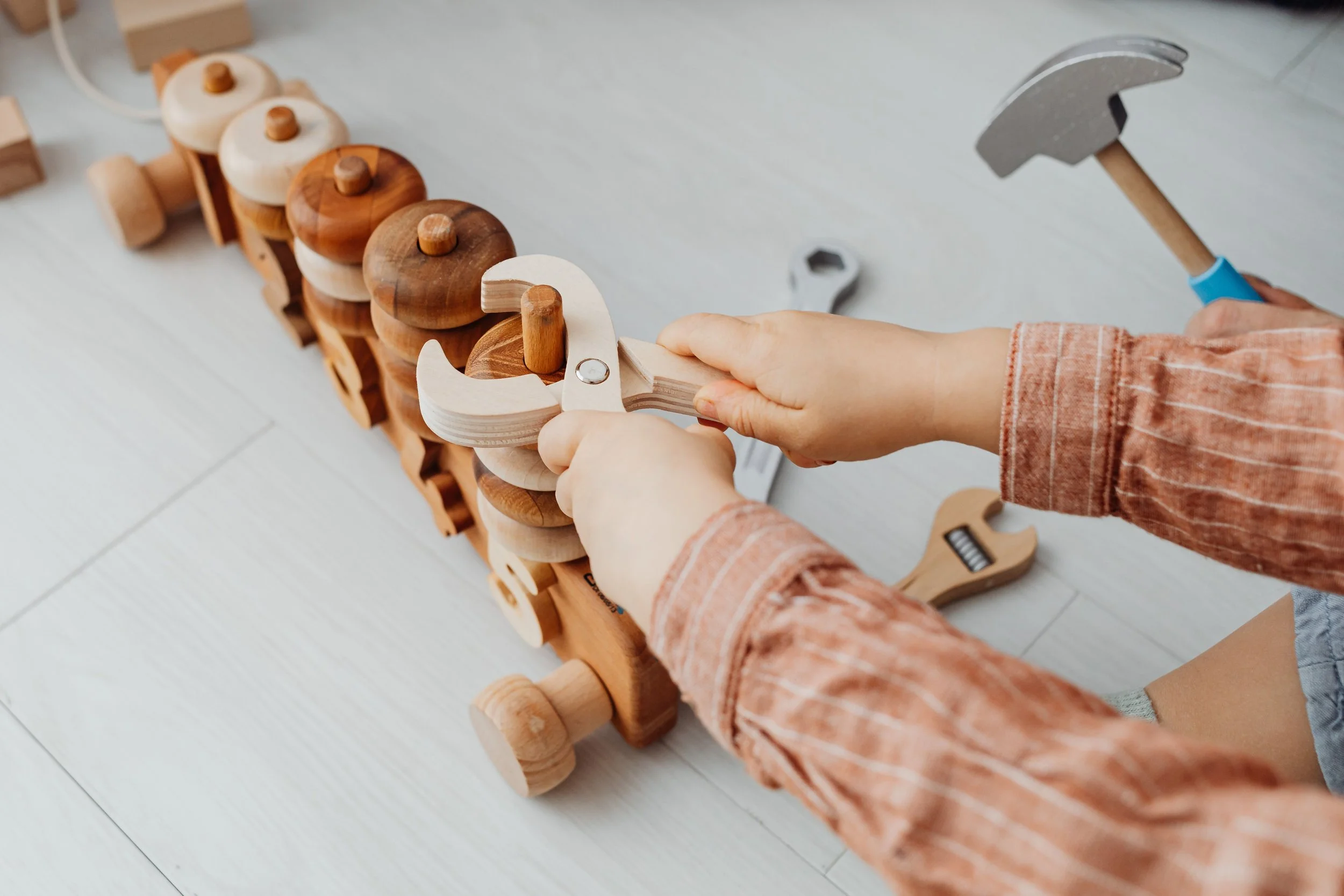
Unstructured time is exactly what it sounds like: a stretch of the day with no adult-led activity, no scheduled outcome, and no pressure to produce. The child chooses what to do, when to switch, and when to stop. It can look like daydreaming on the couch, building something out of cardboard, lining up rocks in the backyard, reading the same book for the fourth time, or doing nothing at all.
What it is not is a teacher-planned activity that happens to be fun. A camp class, a soccer practice, a screen-time block with a parent-chosen show, an enrichment lesson, a playdate with a tightly scripted activity. Those things may all be good, but they are structured. They have rules, expectations, and a someone-in-charge. Unstructured time is what is left when those things go quiet.
It is also not the same as boredom in the negative sense. A bored child who is forced to perform an activity is not getting downtime. A child who looks bored but is actually deep inside their own thoughts is often doing exactly what their nervous system needs.
Why Neurodivergent Kids Need This More, Not Less
There is a common assumption that neurodivergent kids do best with their day packed tightly. The reasoning sounds sensible: if a child struggles with attention, transitions, or self-regulation, then more structure should help. And for parts of the day, it absolutely does.
But many neurodivergent kids spend the school day working much harder than their peers to meet expectations that were not designed for their brains. Sitting still. Listening when sensory input is overwhelming. Following multi-step directions. Masking or suppressing natural ways of moving, thinking, or expressing. By the end of the day, their tank is often empty in ways adults can underestimate. Adding more structure on top of that, even fun structure, can push a child past their threshold.
Some of the reasons unstructured time is especially important for neurodivergent kids include:
Recovery From Masking
Many autistic kids spend the school day working to appear neurotypical. Unstructured time at home is often the only place they can let that effort drop.
Regulation Through Preferred Activities
A child who lines up trains, rereads a beloved book, or rocks while listening to music is regulating, not avoiding.
Recharging Executive Function
Skills like planning, organizing, and shifting tasks rely on a finite battery. For kids with ADHD, that battery drains faster and needs more frequent recharging.
Sensory Recalibration
A quiet, predictable environment lets an overloaded sensory system settle.
Creative Thinking and Problem-Solving
Some of the most original ideas come from kids who are allowed to wander mentally without a goal.
Identity Development
Neurodivergent kids need time to discover what they love, separate from what adults are guiding them to do.
For a deeper look at how environment and downtime can support kids with attention differences, our post on supporting your child with ADHD: a 3-pronged approach offers practical context.
What Gets in the Way
Most parents do not overschedule their kids on purpose. The pressure builds quietly. School lets out and a friend mentions an enrichment class. A specialist recommends an additional therapy. A coach suggests one more practice a week. A relative wonders, gently, whether your child should be doing more. Before long, the week is full.
For families of neurodivergent kids, the pressure can be even higher, because so many of the recommended supports are appointment-based. Speech, occupational therapy, social skills groups, tutoring, executive function coaching. Each one is often genuinely helpful. But when you stack them, your child can end up with less unstructured time than a child with no supports at all. That is worth pausing on.
It is also worth examining the cultural messages parents absorb about productivity. There is a quiet assumption in many communities that a child who is not doing something is wasting time. For neurodivergent kids, that assumption can be especially harmful. Their growth often happens in the quiet hours, not in the scheduled ones.
Six Ways to Build Unstructured Time Back In
If your child's week feels too full, you do not have to overhaul everything at once. Small shifts add up. Here are six practical ways to make more room for unstructured time without dropping the supports your child actually needs.
1. Audit the Week Honestly
Sit down with your family calendar and mark every block of the week that has an adult-led agenda. School, therapy, lessons, structured playdates, screen time with rules attached. Then look at what is left. Many parents are surprised to find that the truly unstructured space is much smaller than they thought, especially after homework and dinner are factored in.
You do not have to cut anything yet. Just see the shape of the week as it really is. That clarity makes the next decisions easier.
2. Treat Downtime Like an Appointment
If unstructured time keeps getting eaten by errands or last-minute commitments, put it on the calendar like anything else. A protected hour after school, a slow Sunday morning, a no-plans Saturday afternoon. Naming it makes it real and helps the whole family resist filling it.
For kids who do better with predictability, you can even build it into a visual schedule under a name they like, such as "free time" or "your time."
3. Lower the Bar on What Counts
Unstructured time does not have to be productive, photogenic, or even visibly happy. A child lying on the floor staring at the ceiling is doing something important. So is a child rereading the same chapter book for the tenth time, or quietly arranging their stuffed animals in a new order.
Try to notice when you feel the urge to redirect a quiet moment into a "better use" of time, and pause before acting on it. That pause is where rest gets to happen.
4. Resist the Urge to Co-Pilot Every Moment
Some neurodivergent kids genuinely need company to feel safe in downtime, and that is okay. But many can do more solo play than parents expect, especially when given a slow on-ramp. You can sit nearby with a book, available but not engaged. You can offer a few open-ended materials and step back. You can decline to suggest the next activity.
Children of all neurotypes benefit from learning that their own company is enough. For kids who have spent years in adult-led environments, that takes practice.
5. Make Peace with Special Interests
For many autistic and ADHD kids, an intense passion (trains, dinosaurs, a video game, a fandom, a particular kind of art) is where they regulate, recover, and feel most themselves. It is tempting to limit screen-based or repetitive interests in the name of balance, but the research and the lived experience of neurodivergent adults both point the other way.
Special interests are not a problem to be managed. They are often a child's most reliable path back to themselves. Build time around them, not in spite of them.
6. Protect the After-School Window
For many kids, the hour or two right after school is the most fragile part of the day. Sensory and social demands have piled up. Executive function is depleted. This is not the time for homework, errands, or even structured fun for most kids.
A predictable soft landing (a snack, quiet space, no questions) can change the whole tone of the evening. If you change only one thing after reading this post, this is a strong candidate.
Together, these strategies do not require dropping every commitment. They just require treating rest as something your child is entitled to, not something they have to earn.
Giving Your Child Room to Be a Person
The goal of unstructured time is not productivity in disguise. It is not stealth skill-building, or hidden therapy, or a chance for your child to "use their imagination" in some particular way. The goal is simply to give your child room to be a person. To wander. To rest. To make a mess. To do something nobody scheduled.
If you have been wondering whether your neurodivergent child needs more support, or you are working through what kind of support might help, our team is here to talk it through. You can also explore our parent guidance consultations for a more focused conversation. Often, the most powerful change a family can make is not adding one more thing, but quietly making space for less.
At Mind Matters, we believe every child deserves to be understood. If you have questions about your child's learning, attention, or development, we're here to help. Contact our Client Care Coordinator at 415-598-8378 or info@sfmindmatters.com to learn more about how we can support your family's journey.