

When Your Gifted Child Also Struggles: A Deeper Look at 2E
A closer look at twice exceptional children, why their needs are so often missed, and how families can support both their strengths and their challenges.
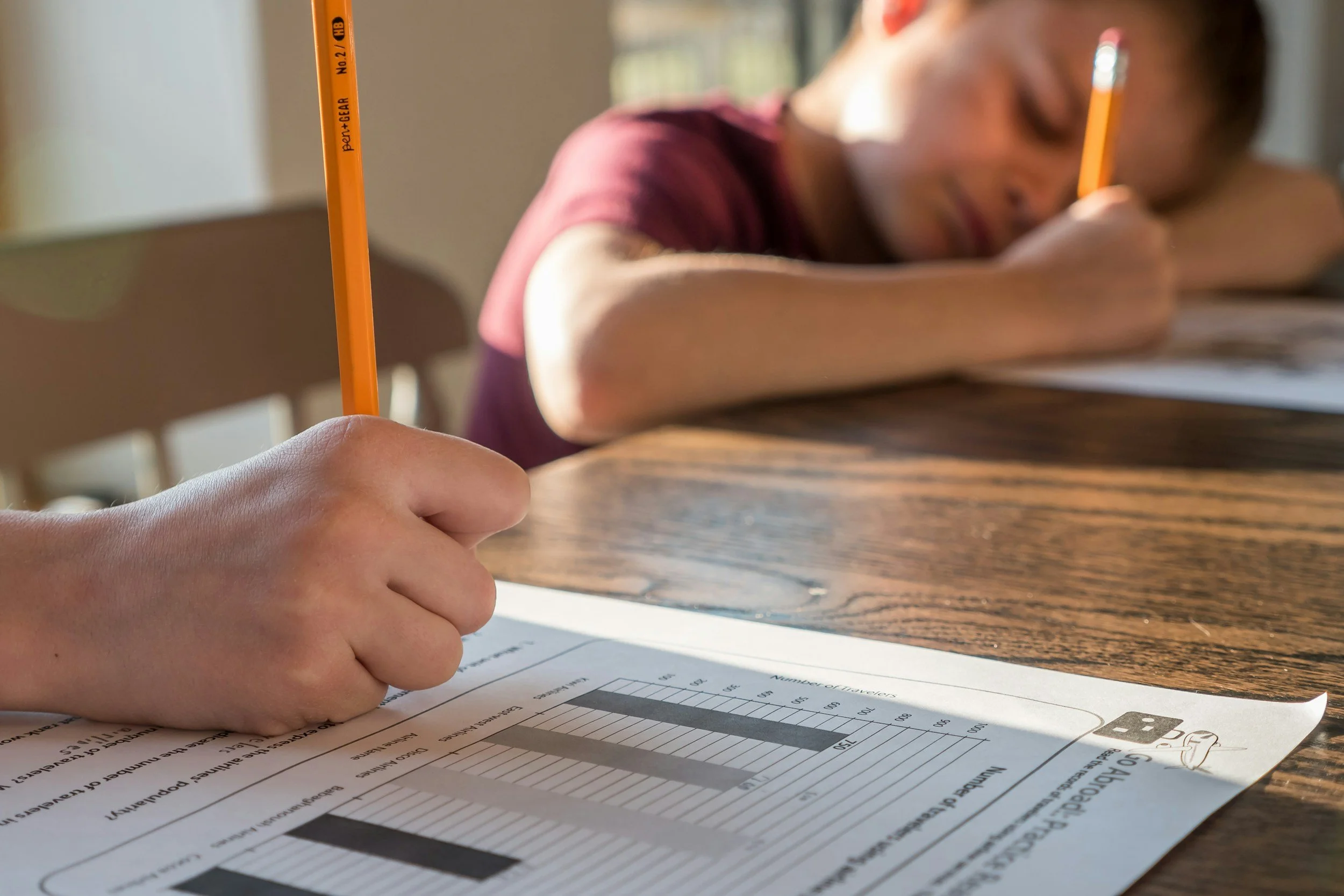
When to Update Your Teen's Psychoeducational Evaluation: A Timing Guide for High School, the SAT/ACT, and College
A practical guide to how psychoeducational and neuropsychological evaluations carry forward through high school, standardized testing, and college, and when an updated evaluation may make sense.

Choosing a Summer Camp That Fits Your Neurodivergent Child
A practical guide for parents on how to evaluate summer camps and choose a program where a neurodivergent child can feel safe, understood, and excited to come back.

When Hearing Isn't the Problem: Understanding Auditory Processing Challenges
An accessible guide for parents on auditory processing differences, how they show up in everyday life, and the supports that actually help.
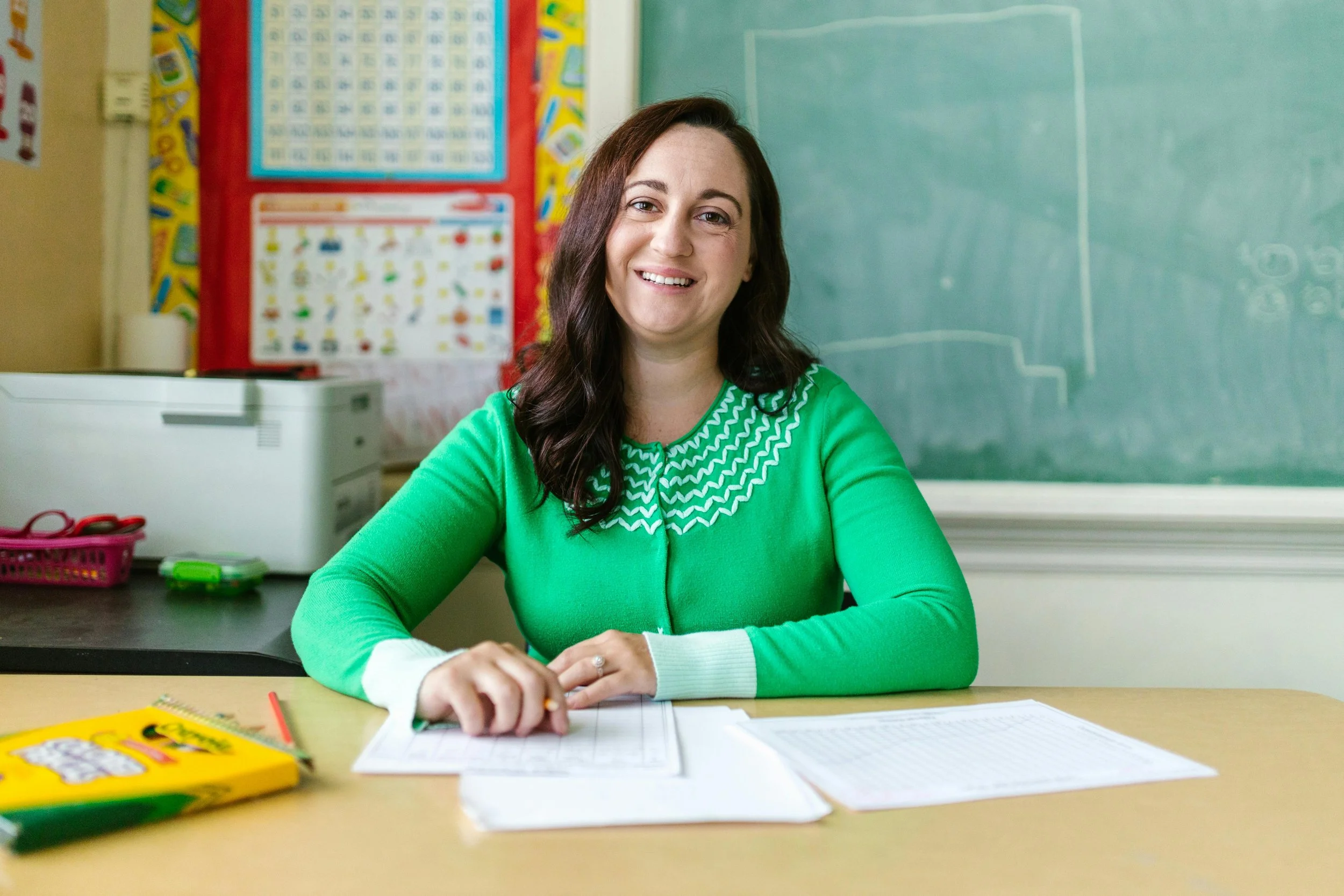
What Parents Should Actually Look For in an End-of-Year Report Card
A practical guide for parents on how to interpret end-of-year report cards, spot subtle signals about learning, and know when to ask deeper questions.

2026 Summer Programs for Students with Dyslexia and Learning Differences
Summer break is the perfect time for students with dyslexia and learning differences to build skills and confidence through specialized programs designed around their unique learning profiles.
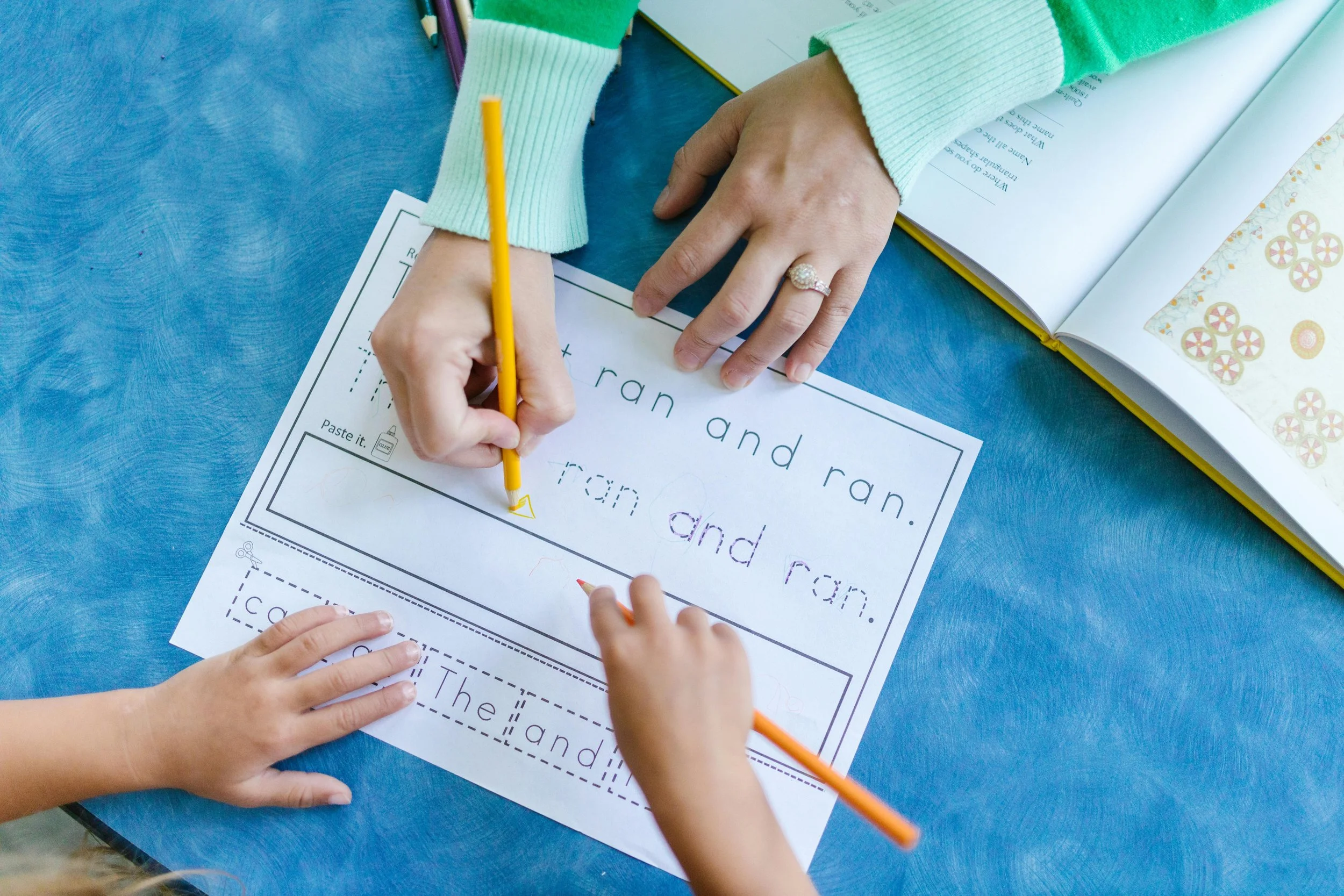
Dysgraphia Explained: When Writing Is a Struggle
This blog breaks down the different types of dysgraphia, how to recognize the signs at various ages, and practical strategies parents can use to support their child's writing development.

Dyslexia is an Island in the Sea of Strengths: A Parent’s Guide to Understanding Challenges, Strengths, Assessments and Supports for Dyslexia
The Sea of Strengths model offers parents a hopeful framework for understanding dyslexia, showing how a child's reading challenges are just one small part of a much bigger picture of capability and potential.

Grade Retention vs. Promotion: Making a Child-Centered Decision
Discover how to approach the difficult decision of grade retention or promotion by considering academic, social-emotional, and developmental factors that matter most for your child.

Helping Your Child Build Self-Advocacy Skills
Discover practical, age-appropriate strategies to help your child with learning differences develop the self-advocacy skills they need to succeed in school and beyond.

College Readiness for Students with Learning Differences
A practical guide to help families prepare neurodivergent students for the academic, social, and independent living demands of college life.
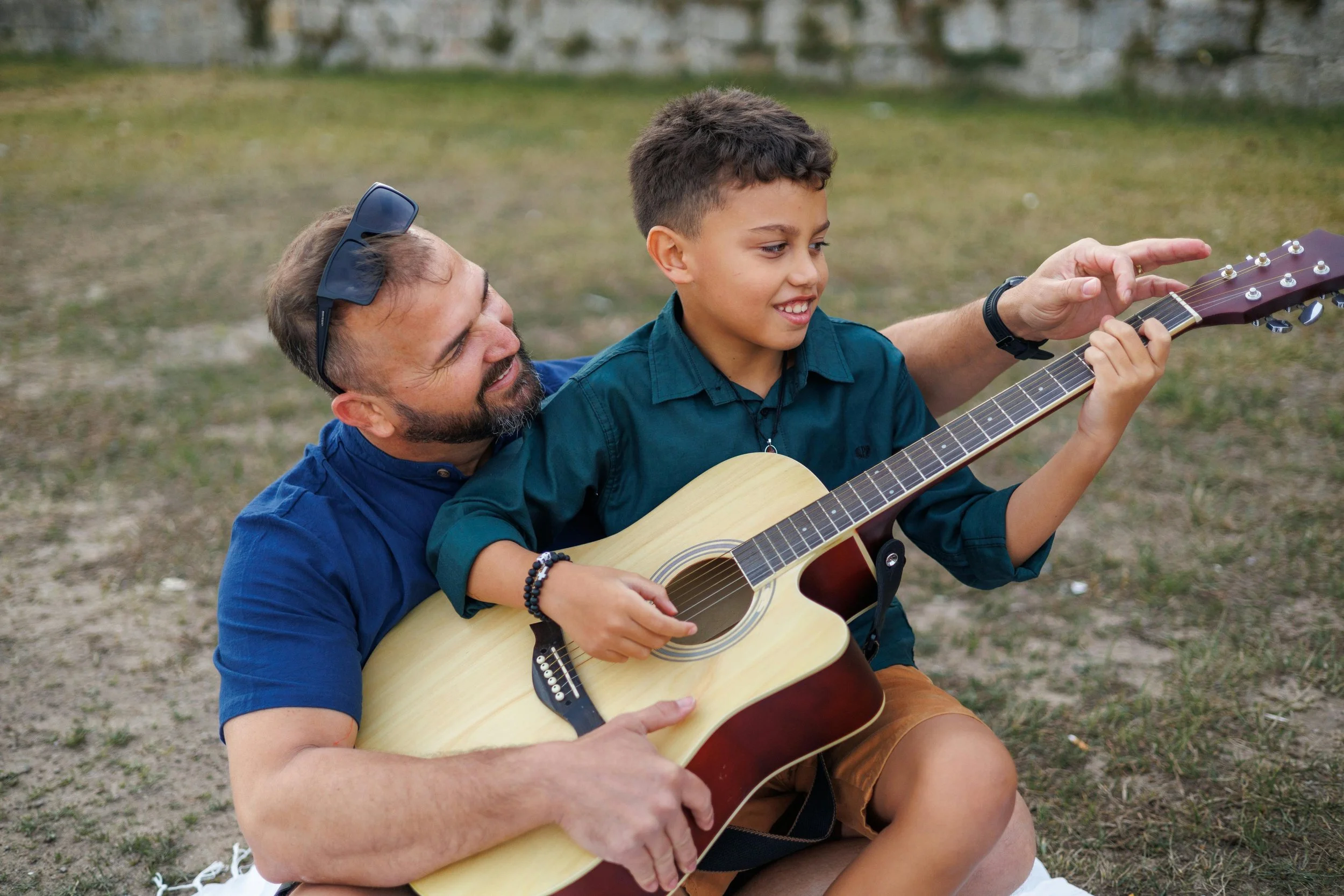
When Your Parenting Style Doesn't Match Your Child's Learning Style
Understanding the mismatch between your natural parenting tendencies and your child's learning style can transform daily struggles into opportunities for connection and growth.

Alternative Educational Approaches When Traditional School Isn't Working
When traditional school isn't meeting your child's needs, understanding your educational options can open new paths to success and well-being.

What Psychoeducational Evaluations Really Tell Us
Comprehensive evaluations provide far more than numbers and labels, revealing how your child learns best and what support they need to thrive.

Learning Differences vs Learning Disabilities: Why This Language Shift Matters for Your Child
When one mother first heard the school psychologist say her eight-year-old son had a "learning disability," her heart sank. But when a private evaluator later described her son as having "learning differences" and spoke about his unique cognitive profile with both challenges and remarkable strengths, everything shifted. Same child, same academic struggles, but suddenly there was hope and possibility.

Building Resilience in Children with Learning Differences
Helping kids build resilience—the ability to bounce back after hard days, keep trying when things feel tough, and believe in their own potential—is one of the most important things we can do.

How to Talk to Teachers About Your Child's Learning Needs
Building strong partnerships with your child's teachers is one of the most powerful ways to support their academic success.

Signs of Dyslexia at Different Ages
Dyslexia—one of the most common learning differences that affects reading— is a brain-based learning difference that affects the way a person processes language, impacting skills related to reading, writing, and spelling.

The Transition to Middle School for Children with Learning Differences
The shift from elementary to middle school represents a significant milestone in any child's educational journey.