Grade Retention vs. Promotion: Making a Child-Centered Decision
Few educational decisions feel as weighty as determining whether your child should repeat a grade. Whether the question arises in kindergarten, elementary school, or later, parents often find themselves caught between competing concerns: Will holding my child back help them catch up academically, or will it damage their self-esteem? Will promoting them set them up for continued struggles, or will they rise to meet the challenge?
The truth is that there's no one-size-fits-all answer. The research on grade retention is mixed, showing both potential benefits and risks depending on the individual child and circumstances. What matters most is making a thoughtful, individualized decision that considers your specific child's needs, strengths, and circumstances.
This guide will help you navigate this complex decision by exploring the factors to consider, the research on retention and promotion, and how to center your child's well-being in whatever choice you make.
Understanding Grade Retention
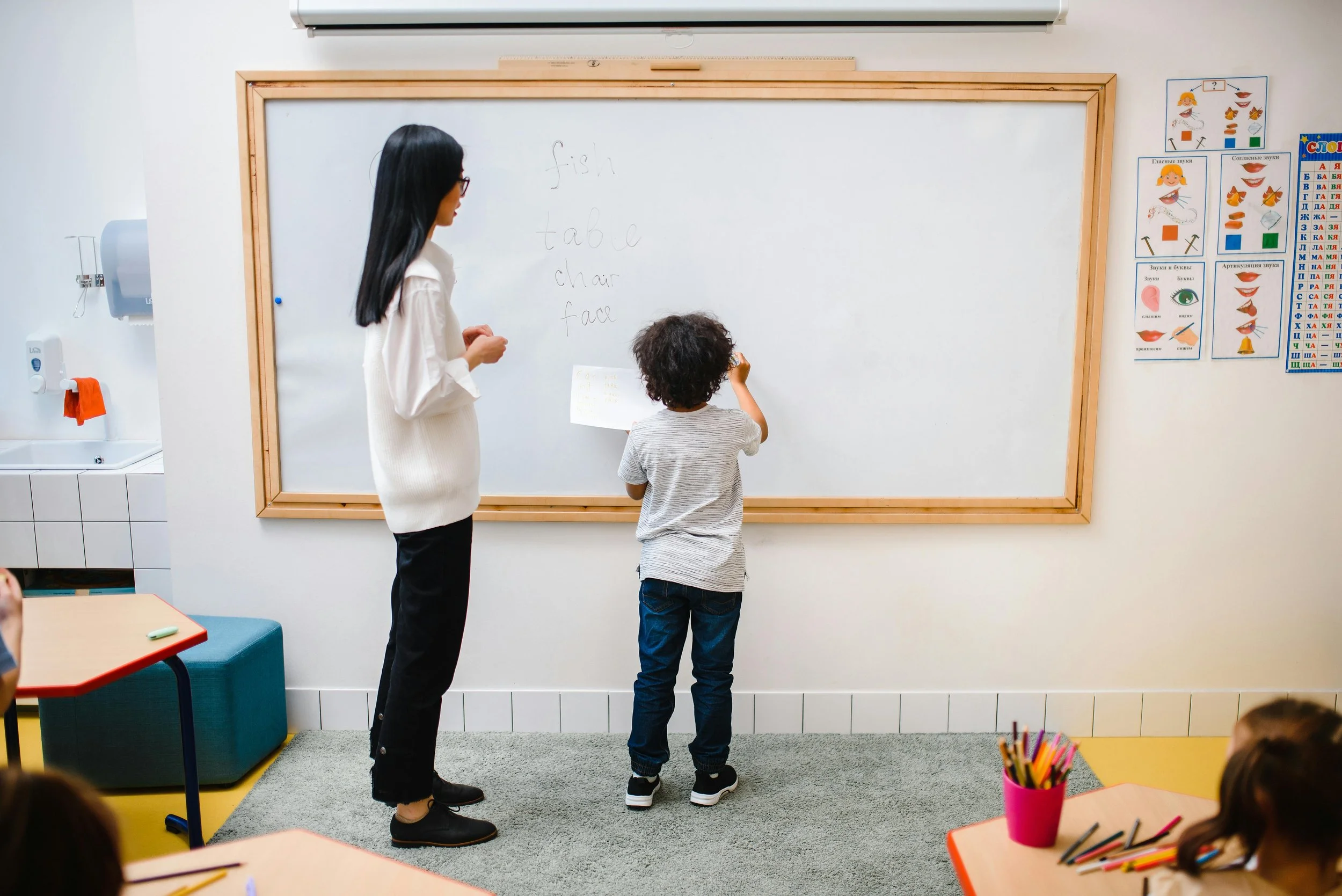
Grade retention, also called "holding back" or "repeating a grade," means a student remains in the same grade for another year rather than advancing to the next grade level with their age-peers. Retention can occur at any grade level, though it's most common in kindergarten and the early elementary years.
Parents and educators typically consider retention when a child is struggling significantly with academic skills, seems developmentally young compared to peers, or appears not ready for the increased demands of the next grade level. The hope is that an additional year will allow the child to mature, master foundational skills, and build confidence before moving forward.
Promotion, on the other hand, means moving forward to the next grade despite concerns about readiness. When promoting a struggling student, schools and families typically put additional supports in place, such as tutoring, accommodations, or modified expectations, to help the child succeed.
What the Research Says
The research on grade retention is complex and sometimes contradictory, which is why this decision requires careful, individualized consideration.
Potential Benefits of Retention
Research suggests retention may be beneficial when children are significantly younger than their peers (especially summer birthdays), when academic skills are substantially below grade level in the early grades, when the child has experienced significant disruptions (such as frequent moves or health issues) that affected their learning, or when the retention occurs in kindergarten or first grade rather than later years.
Some studies show that children who are retained, particularly in the early grades, may show short-term academic gains as they master material they previously struggled with. Additionally, some children benefit from the extra time to mature socially and emotionally before facing the increased independence and complexity of higher grades.
Potential Risks of Retention
However, other research raises concerns about retention. Studies have found that retained students often show initial academic gains that fade over time, leaving them at similar achievement levels to comparable peers who were promoted. Retention can negatively impact self-esteem and motivation, with some children feeling stigmatized or labeled as "failures." Research also shows that retained students have higher dropout rates in high school compared to similar students who were promoted, and retention can disrupt peer relationships as children are separated from their age-peers.
The Bottom Line
The mixed research suggests that retention is not universally helpful or harmful. Its effectiveness depends heavily on the individual child, the specific reasons for considering retention, the supports available, and how the decision is communicated and implemented.
Key Factors to Consider
When facing this decision, consider these important factors specific to your child's situation:
Academic Factors
Assess your child's current skill levels across multiple areas, including reading, writing, and mathematics. Consider whether gaps are significant enough that your child will struggle to access the curriculum in the next grade, or if targeted support could help them keep pace. Think about whether your child is making progress with current interventions and support, or if they seem to have reached a plateau. Evaluate whether learning differences like dyslexia, ADHD, or other conditions are affecting their progress, as these may require specialized intervention rather than retention.
Developmental Factors
Consider your child's age relative to their classmates, as children with summer birthdays or who are young for their grade may benefit from the extra time to mature. Observe their physical development and motor skills compared to peers. Assess their attention span, ability to follow directions, and capacity for independent work. Evaluate their organizational skills and ability to manage increasing academic demands.
Social-Emotional Factors
Think about your child's relationships with current classmates and how retention might affect those friendships. Consider their self-esteem and how they view themselves as learners. Assess how your child feels about the possibility of retention and whether they understand what it would mean. Evaluate their emotional maturity and ability to handle the social dynamics of being older than their new classmates.
External Factors
Consider the quality and availability of intervention services at your school, as promotion with strong support may be more effective than retention without adequate services. Think about your family's ability to provide additional support through tutoring, educational therapy, or other resources. Assess how retention might affect your family's schedule, particularly if you have other children. Consider whether your child has experienced significant disruptions (moving, family changes, health issues) that might have temporarily affected their learning.
Questions to Ask Before Deciding
As you gather information to make this decision, consider asking yourself and your child's educational team these important questions:
About Academic Progress: What specific skills is my child lacking? Can these skills be taught with intervention in the next grade, or do they require mastery before moving forward? Has my child received appropriate, research-based instruction in areas of difficulty? If my child has learning differences, how will retention address those differences compared to specialized intervention and accommodations?
About Your Child: How does my child feel about retention? What do they understand about why we're considering it? Does my child have a history of anxiety, perfectionism, or other emotional factors that might make retention particularly difficult? How resilient is my child? How do they typically respond to setbacks or challenges?
About Support and Alternatives: What interventions and supports have already been tried? Were they implemented with fidelity and for sufficient duration? What additional supports would be available if my child is promoted? What would be different if my child repeats the grade? Would they receive specialized instruction or just repeat the same curriculum? Are there alternative options, such as transitional programs, summer intensive interventions, or modified promotion with support?
About Long-Term Implications: What are the long-term academic and social-emotional implications of each option? How might this decision affect my child's relationship with learning? How will we support my child's self-esteem regardless of which choice we make?
Alternatives to Consider
Before making a final decision, explore whether any of these alternatives might address your concerns:
Intensive Intervention: Consider summer programs, tutoring, or educational therapy focused on specific skill gaps. Look into specialized reading programs for children with dyslexia or math intervention for children with dyscalculia.
Formal Accommodations: Explore whether a 504 Plan or IEP might provide the support your child needs to succeed in the next grade. Consider accommodations like extended time, modified assignments, or assistive technology.
Classroom Modifications: Discuss with teachers whether certain modifications (such as a smaller class, a different teacher, or pull-out support) might help your child succeed without retention.
Transitional Programs: Some schools offer transitional programs (such as pre-first or junior first) designed for children who need extra time without the social stigma of traditional retention.
Delayed Kindergarten Start: For children approaching kindergarten age, consider whether waiting another year before starting school might be appropriate, though this is quite different from retention after a child has already been enrolled.
The Role of Professional Evaluation
If you're struggling with this decision, a comprehensive psychoeducational evaluation or kindergarten readiness screening can provide valuable insights. An evaluation can identify specific learning differences that require specialized intervention, assess your child's cognitive strengths and challenges, evaluate developmental readiness across multiple domains, provide objective data about your child's skills compared to age and grade expectations, and offer recommendations tailored to your child's unique profile.
At Mind Matters, our evaluations help parents and schools make informed decisions about retention, promotion, and the supports needed for success. We consider not just academic skills but also cognitive development, social-emotional functioning, and learning style.
Making the Decision
Once you've gathered all relevant information, here's how to move toward a decision:
1. Discuss With a Team
Meet with your child's educational team to discuss their observations, concerns, and recommendations, ensuring you understand the specific skills and behaviors that are concerning and what support would be available under each scenario.
2. Seek Professional Insight
Seek input from professionals who know your child well, including teachers, school counselors, pediatricians, and any therapists or specialists working with your child.
3. Your Child’s Thoughts
Consider your child's perspective by talking with them about their feelings and concerns, explaining the options in age-appropriate language, and involving them in the decision-making process when appropriate.
4. Look at the Evidence
Weigh the evidence by listing the pros and cons of each option for your specific child, considering both short-term and long-term implications, and trusting your instincts as a parent who knows your child best.
5. Make a Plan
Make a plan for success by determining what specific supports and interventions will be put in place, establishing clear goals and metrics for progress, and scheduling regular check-ins to assess how things are going.
When to Revisit the Decision
Educational decisions aren't always permanent. Be prepared to reassess if your child is thriving or struggling significantly more than anticipated, if new information comes to light about learning differences or other factors, if your child's emotional well-being is being negatively affected, or if the supports you expected aren't being provided.
Don't hesitate to advocate for changes if the chosen path isn't working for your child.
Moving Forward
Deciding whether your child should repeat a grade or move forward with additional support is one of the most difficult decisions parents face. There's no perfect answer, and the "right" choice depends entirely on your individual child's needs, circumstances, and the resources available to support them.
What matters most is that you approach this decision thoughtfully, gather comprehensive information, center your child's well-being (both academic and emotional), and commit to providing strong support regardless of which path you choose.
If you're struggling with this decision and would like professional guidance, our parent guidance consultations can help you weigh your options and make the choice that's right for your child. We're here to support you through these challenging educational decisions. Contact us to learn more.
At Mind Matters, we believe every child deserves to be understood. If you have questions about your child's learning, attention, or development, we're here to help. Contact our Client Care Coordinator at 415-598-8378 or info@sfmindmatters.com to learn more about how we can support your family's journey.