Recognizing Autism in Young Children: Early Signs and Next Steps
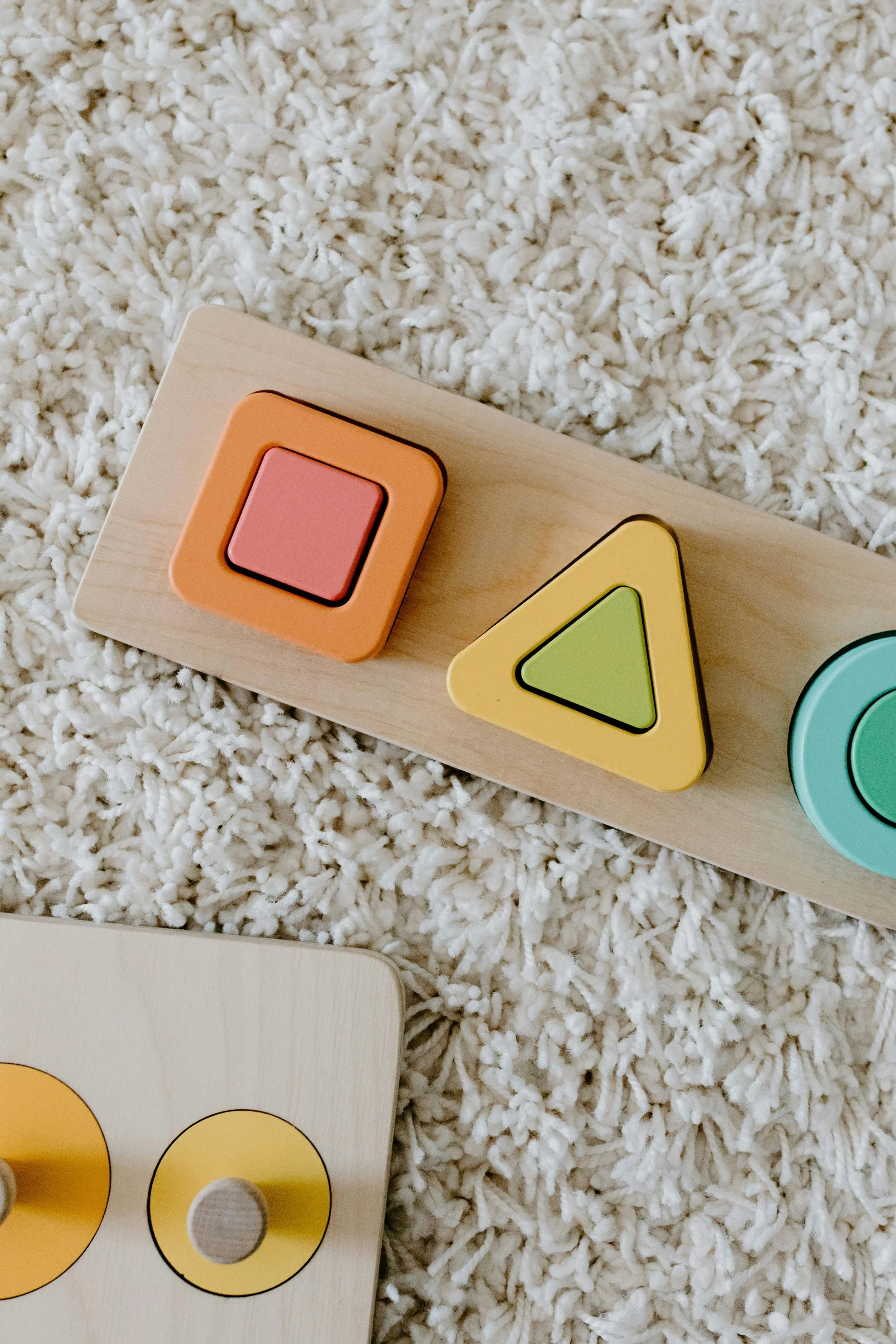
As a parent, you spend more time observing your child than anyone else on the planet. You notice the little things: the way they line up their toys just so, the sounds that make them cover their ears, the moments when they light up with joy and the moments when the world seems to overwhelm them. Sometimes those observations come with a quiet question: Is this typical? Or is something else going on?
If you have been wondering whether your young child might be Autistic, that question itself is valuable. Not because something is "wrong" with your child, but because understanding how your child experiences the world is one of the most powerful things you can do for them. Autism is a different way of thinking, communicating, and connecting, and the earlier you understand your child's unique brain style, the sooner you can create an environment where they truly thrive.
What Autism Looks Like in Young Children
Autism is a spectrum, which means it shows up differently in every child. There is no single sign that confirms or rules it out. Instead, parents and professionals look for patterns across several areas of development.
It is also important to know that many of the traits associated with autism are things that all young children do to some degree. The difference is usually in the intensity, the frequency, and whether those patterns persist over time. A toddler who lines up blocks during play is being a typical toddler. A toddler who lines up everything, becomes very distressed when the arrangement is disrupted, and returns to this activity as their primary form of play may be showing something worth exploring.
That said, here are some of the early differences parents and caregivers commonly notice.
Early Signs by Developmental Stage
The way autism presents can shift as a child grows. Here is what you might observe at different ages.
Infants and Young Toddlers (6-18 Months)
At this stage, the signs can be subtle. You might notice that your baby does not consistently respond to their name, makes limited eye contact during interactions, or does not follow your gaze when you point at something (a skill called joint attention). Some babies may show less variety in facial expressions or seem less interested in back-and-forth social interactions like peek-a-boo. Others may be unusually sensitive to certain textures, sounds, or lights. Delayed babbling or an unusual pattern of early vocalizations can also be an early indicator.
Toddlers (18 Months - 3 Years)
This is often the stage when differences become more noticeable, partly because social and communication expectations increase. Your toddler might have limited or no spoken words, or they might have some language but use it in unusual ways, such as repeating phrases from shows (called echolalia) rather than generating their own sentences. Pretend play may be limited or absent. They might prefer to play alone, struggle with transitions, or become very distressed by small changes in routine. Repetitive movements like hand-flapping, spinning, or toe-walking may also appear.
Preschoolers (3-5 Years)
In preschool settings, differences in social interaction often become clearer. Your child might struggle to engage in cooperative play, have difficulty understanding the back-and-forth of conversation, or show strong and focused interests that dominate their play and attention. They may seem to operate on their own timeline in group settings, not because they are being defiant, but because the social rules that other children absorb intuitively do not come as naturally to them. Sensory sensitivities may also become more apparent in a busy classroom environment.
Signs That Are Easy to Overlook
Not all Autistic children fit the patterns most people expect. Several presentations can make autism harder to recognize in young children.
Some children develop strong verbal skills early on, which can mask other differences. A child who speaks in full sentences at age two might still struggle significantly with the social use of language, like having a two-way conversation or understanding sarcasm and figurative language, as they get older. Adults may focus on the impressive vocabulary and miss the underlying communication differences.
Girls and children assigned female at birth are also more likely to have their autism overlooked, partly because they may develop stronger social imitation skills early on. A young girl who carefully watches and copies her peers' behavior in social settings may appear to be developing typically while actually working very hard to keep up.
Children who are quiet, compliant, or easygoing may also fly under the radar. Autism does not always look like meltdowns or obvious rigidity. Sometimes it looks like a child who is deeply internal, content to observe from the sidelines, and more comfortable in the world of their own interests than in the unpredictable world of group play.
What to Do if You Notice These Signs
Recognizing potential signs of autism in your child can bring up a lot of emotions, and all of them are valid. Here is a practical path forward.
1. Trust Your Instincts
You are the expert on your child. If something feels different about how they are developing, communicating, or engaging with the world, that observation matters. You do not need to wait for a teacher or pediatrician to raise concerns first.
2. Talk to Your Pediatrician
Share your specific observations. Rather than saying "I think something might be going on," try to describe what you are seeing in concrete terms: "She doesn't respond when I call her name unless I'm right in front of her," or "He becomes extremely upset when we take a different route to school." Pediatricians can conduct an initial developmental screening and refer you for a more in-depth evaluation if needed.
3. Request a Developmental or Autism Screening
A focused autism screening can help determine whether a full evaluation is warranted. These screenings look specifically at social communication patterns, sensory responses, and behavioral patterns through a combination of parent interviews, direct observation, and standardized tools.
4. Consider a Comprehensive Evaluation
If the screening suggests further exploration, a comprehensive evaluation provides a complete picture of your child's developmental profile, including cognitive abilities, language skills, adaptive functioning, and social-emotional development. This type of evaluation does not just answer "Is my child Autistic?" It answers "How does my child experience the world, and what support would help them thrive?"
5. Connect With Supportive Resources
Whether or not your child ultimately receives an autism diagnosis, connecting with community resources and support networks can be incredibly valuable. Learning from other families, accessing early intervention services, and finding providers who understand your child's needs are all part of building a strong foundation.
Each of these steps moves you closer to understanding, and understanding is the first step to meaningful support.
The Power of Early Understanding
Early identification of autism is not about "fixing" your child. It is about seeing them clearly and creating the conditions that help them flourish. When Autistic children receive support that is tailored to their brain style early in life, they are better positioned to develop communication skills, build relationships on their own terms, and navigate the demands of school with less stress and more confidence.
A neurodiversity-affirming approach to assessment, which is the approach we take at Mind Matters, means we are not looking for what is "wrong" with your child. We are looking at how their brain works, what they need, and where their strengths lie. You can learn more about our story and approach to understand what that looks like in practice.
You Do Not Have to Figure This Out Alone
Parenting a child whose development looks a little different can feel isolating, especially in the early stages when you are not sure what you are seeing or who to talk to. But you do not have to have all the answers right now. You just have to take the next step.
If you are noticing some of the signs described in this post and want to talk it through, contact our team. Our Client Care Coordinator can help you think about whether a focused screening or a broader evaluation is the right starting point. We work with children ages 3 and up and are happy to provide referrals for younger children as well.
Your child does not need to be "further along" or "more concerning" for you to reach out. If you are asking the question, that is reason enough.
At Mind Matters, we believe every child deserves to be understood. If you have questions about your child's learning, attention, or development, we're here to help. Contact our Client Care Coordinator at 415-598-8378 or info@sfmindmatters.com to learn more about how we can support your family's journey.