
Visual Processing Evaluation in Berkeley, CA
When reading struggles aren't about vision clarity, uncover the real story behind your child's visual-spatial challenges
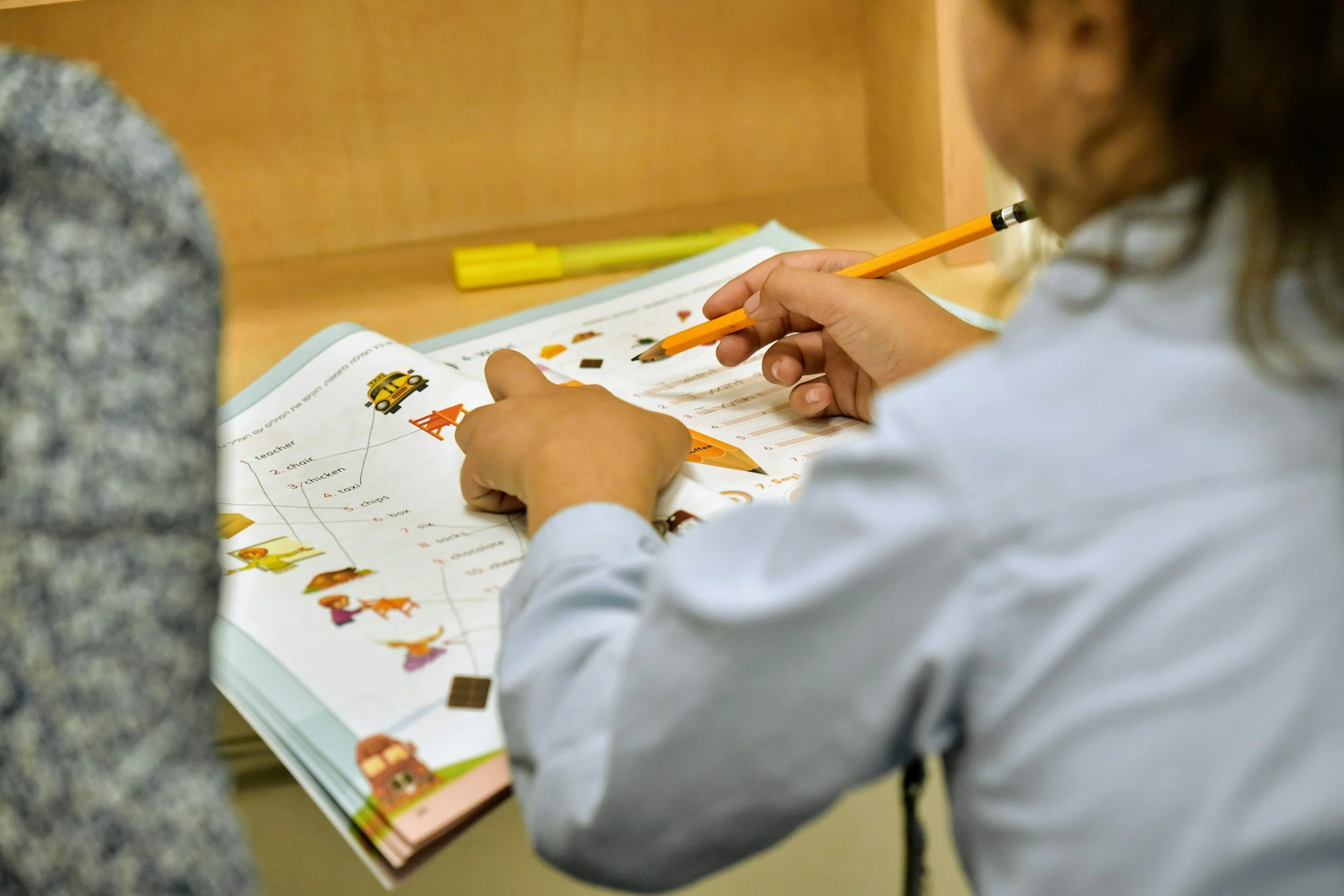
Your child has perfect vision according to their eye doctor, yet they still struggle with reading, lose their place on the page, or have difficulty with math problems that require visual organization.
You've tried reading glasses, changed lighting, and spent countless hours helping with homework, but the challenges persist.
At Mind Matters in Berkeley, we understand that clear vision is just the beginning. Our comprehensive visual processing evaluations go beyond what the eye can see to assess how your child's brain interprets and organizes visual information. We work closely with Berkeley's developmental optometrists to ensure nothing is missed in understanding your child's complete visual profile.
Located on Telegraph Avenue in the heart of Berkeley, our team specializes in identifying visual processing disorders that impact learning, from tracking difficulties that make reading exhausting to visual-spatial challenges that affect math and organization. We provide families throughout the East Bay with the clarity and practical solutions needed to help their children thrive academically.
Visual processing disorders affect how the brain interprets visual information, even when eyesight itself is perfect.
Unlike a standard vision screening that checks if your child can see clearly, our comprehensive visual processing evaluation examines the complex neurological processes that transform what the eyes see into meaningful information the brain can use for learning.
Our Berkeley assessment begins with a thorough review of your child's academic history, classroom observations, and specific visual challenges you've noticed at home. Dr. Rebecca Murray-Metzger conducts specialized testing that evaluates visual tracking (following words across a page), visual memory (remembering what was seen), figure-ground perception (finding information in busy visual fields), and visual-spatial processing (understanding relationships between objects in space).
We coordinate closely with Berkeley's developmental optometrists to ensure we're addressing both basic visual functions and complex processing skills. This collaborative approach means your child receives the most complete assessment possible, with clear communication between all professionals involved in their care.
The evaluation process typically takes place over two sessions in our comfortable Telegraph Avenue office, allowing your child time to demonstrate their abilities without fatigue. We provide detailed, practical recommendations for classroom accommodations, home strategies, and therapeutic interventions that address your child's specific visual processing profile.
Schedule Your Visual Processing Evaluation
Key Benefits
-
Standard vision screenings check visual acuity, whether your child can see letters clearly on a chart. Our visual processing evaluation in Berkeley examines the sophisticated neurological processes that occur after the eyes capture visual information.
We assess visual tracking skills that affect reading fluency, visual memory that impacts spelling and math facts, and visual-spatial processing that influences everything from handwriting to geometry. Working with families throughout Berkeley and the East Bay, we frequently see children who have passed routine vision screenings but struggle with tasks requiring complex visual processing.
Our assessment identifies specific areas where the visual system isn't functioning optimally, providing the missing piece to understanding your child's learning challenges. This comprehensive approach ensures that visual processing issues aren't overlooked when developing your child's educational support plan.
-
Visual processing challenges often require a multidisciplinary approach, which is why we maintain strong working relationships with Berkeley's developmental optometrists. While we assess how the brain processes visual information, these specialists evaluate eye movement patterns, focusing abilities, and binocular vision skills that may contribute to your child's difficulties.
Our collaborative approach means recommendations are coordinated and complementary rather than conflicting. When we identify visual processing issues, we can refer to trusted local optometrists for vision therapy or other interventions while continuing to provide educational and behavioral support. This seamless coordination saves Berkeley families time and ensures all aspects of visual function are addressed comprehensively.
-
Following your child's evaluation, we provide detailed, actionable recommendations that translate directly into classroom success. Our reports specify exactly what accommodations your child needs, from extended time on visually complex tasks to preferential seating that reduces visual distractions.
We include sample language for IEP and 504 plan meetings, making it easier for Berkeley schools to understand and implement appropriate support.
Beyond school accommodations, we provide families with specific strategies for supporting visual processing at home. These might include organizational systems that reduce visual clutter, homework modifications that prevent visual fatigue, and activities that strengthen visual processing skills naturally through play and daily routines.
-
Many Berkeley children who struggle with visual-spatial processing are incredibly bright verbally but find tasks requiring spatial reasoning, visual organization, or mental rotation particularly challenging. Our evaluation helps distinguish between visual processing differences and other learning issues, providing clarity about why your child might excel in discussions but struggle with math worksheets or written assignments.
Visual-spatial processing affects far more than academics, it influences how children navigate physical spaces, organize their belongings, and interpret social cues from facial expressions and body language. Our assessment provides a complete picture of how visual processing differences impact your child's daily life, both in Berkeley's academic environment and in social situations.
-
Dr. Murray-Metzger specializes in working with gifted children who also have visual processing challenges, what educators call twice-exceptional or 2E learners. These Berkeley students often fly under the radar because their intellectual abilities mask their visual processing difficulties, or their processing challenges overshadow their giftedness.
Our evaluation carefully teases apart cognitive strengths and visual processing challenges, ensuring that twice-exceptional children receive both the enrichment they need and the support for their processing differences. This nuanced understanding is crucial for developing educational plans that honor both aspects of your child's learning profile.
-
Visual processing challenges don't disappear as children get older, but with proper understanding and support, students learn to leverage their strengths and develop compensatory strategies. Our Berkeley evaluation includes recommendations that consider your child's long-term academic trajectory, from elementary reading skills through high school STEM courses and college preparation.
We help families understand how visual processing differences might evolve as academic demands increase, and we provide guidance on technology tools, study strategies, and course selection that support continued success. This forward-thinking approach ensures that the insights from your child's evaluation remain relevant and useful throughout their educational journey.
Service Categories
Comprehensive Visual Processing Evaluation
Our complete assessment examines all aspects of visual processing, from basic visual discrimination skills to complex visual-spatial reasoning. This evaluation is ideal for Berkeley children experiencing reading difficulties, math challenges, or organizational struggles that may stem from visual processing differences. The assessment includes coordination with educational teams and detailed recommendations for school and home interventions.
Visual Tracking and Reading Assessment
Focused evaluation for children who lose their place while reading, skip lines, or experience eye fatigue during academic tasks. This targeted assessment examines smooth pursuit eye movements, saccadic accuracy, and visual attention skills that directly impact reading fluency and comprehension in Berkeley classrooms.
Visual-Spatial Learning Profile
Specialized assessment for children struggling with math concepts, geometry, map reading, or tasks requiring mental rotation and spatial visualization. This evaluation helps Berkeley families understand how visual-spatial processing differences affect academic performance and provides specific strategies for supporting spatial learning.
IQ Testing with Visual Processing Analysis
Comprehensive cognitive assessment that includes detailed analysis of visual processing strengths and challenges. This service is particularly valuable for Berkeley families considering private school admissions or seeking to understand how visual processing differences interact with overall intellectual abilities.
Parent Guidance for Visual Processing Concerns
Consultation service for Berkeley parents who notice signs of visual processing difficulties but aren't sure whether formal evaluation is needed. Dr. Murray-Metzger helps families understand when visual processing challenges warrant assessment and provides guidance on initial supportive strategies.
Our Process
Step 1: Initial Consultation and History Review
We begin with a comprehensive discussion about your child's visual and learning challenges, reviewing school reports, previous evaluations, and specific concerns you've observed at home or in Berkeley classrooms. This session helps us understand your questions and design an assessment plan tailored to your child's needs. We also coordinate with any developmental optometrists or other specialists currently working with your family.
Step 2: Comprehensive Visual Processing Assessment
Your child completes specialized testing in our comfortable Berkeley office, examining visual tracking, visual memory, figure-ground perception, visual closure, and visual-spatial processing skills. The assessment is designed to be engaging and age-appropriate, with breaks as needed. This typically takes 3-4 hours and can be completed in one or two sessions based on your child's needs and attention span.
Step 3: Results Integration and Report Preparation
Dr. Murray-Metzger analyzes all assessment data, integrating results with information from developmental optometrists when applicable. She prepares a comprehensive report that clearly explains your child's visual processing profile, including both strengths and areas of challenge, along with specific recommendations for educational accommodations and interventions.
Step 4: Family Feedback and Planning Session
We meet to review evaluation results, discuss recommendations, and develop an action plan for supporting your child's visual processing needs. This includes guidance on presenting results to Berkeley schools, connecting with recommended resources, and implementing home-based strategies. We ensure you leave with clear next steps and confidence in advocating for your child.
Step 5: Ongoing Support and Follow-up
Following the evaluation, we remain available for consultation as you implement recommendations and navigate school meetings. This includes support for IEP or 504 plan development, advocacy during Berkeley school meetings, and follow-up consultations as your child's needs evolve with academic demands.
Our Approach
At Mind Matters, we understand that visual processing disorders exist on a spectrum and affect each child differently.
Our neurodiversity-affirming approach recognizes visual processing differences not as deficits to fix, but as variations in how the brain interprets visual information. This perspective shapes every aspect of our evaluation process, from the questions we ask to the recommendations we provide Berkeley families.
Dr. Murray-Metzger brings both clinical expertise and personal understanding as a parent to every evaluation. Her theater background allows her to connect with children who may be anxious about testing, while her collaborative approach ensures that parents, teachers, and the child themselves contribute to understanding the complete picture of visual processing strengths and challenges.
We maintain strong relationships with Berkeley's developmental optometrists, special education coordinators, and other professionals who support children with learning differences. This collaborative network means our visual processing evaluations are part of a comprehensive support system rather than isolated assessments. When we identify visual processing challenges, families have access to coordinated care that addresses both educational and visual-motor aspects of their child's needs.
Our Berkeley office environment is designed to be comfortable and welcoming for children of all ages and processing styles. We understand that visual processing challenges can make new environments overwhelming, so we take time to help each child feel safe and capable of demonstrating their true abilities during assessment.
Frequently Asked Questions
Mind Matters has served Berkeley and East Bay families for years, specializing in comprehensive psychological evaluations that help parents truly understand their children's learning profiles. Dr. Rebecca Murray-Metzger provides neurodiversity-affirming assessments from our Telegraph Avenue office, working collaboratively with local schools and specialists.
-
Vision screenings check whether your child can see clearly, their visual acuity. Our visual processing evaluation examines how the brain interprets and uses visual information for learning. A child can have 20/20 vision but still struggle with visual tracking, visual memory, or visual-spatial tasks that affect reading and academic performance in Berkeley schools.
-
We maintain collaborative relationships with several Berkeley area developmental optometrists who specialize in vision therapy and functional vision skills. When needed, we share information (with your permission) to ensure all aspects of visual function are addressed. This coordination prevents duplication of services and ensures recommendations are complementary.
-
Yes, our comprehensive evaluations meet criteria for educational planning and accommodation development. Dr. Murray-Metzger is experienced in translating evaluation results into specific educational recommendations that Berkeley schools can understand and implement through IEP or 504 plans.
-
The complete evaluation typically requires 3-4 hours of direct assessment time, which we can schedule as one longer session or divide into two shorter appointments based on your child's attention and comfort level. We also spend additional time reviewing background information and preparing your detailed report.
-
Common accommodations include extended time for visually complex tasks, preferential seating to reduce visual distractions, use of reading guides or colored overlays, modified worksheets with less visual clutter, and alternative methods for demonstrating knowledge that don't rely heavily on visual processing skills.
Ready to Look Beyond 20/20 Vision?
Berkeley families trust our visual processing expertise