
Social Skills Assessment in Berkeley, CA
Understanding Your Child's Social World to Build Stronger Friendships
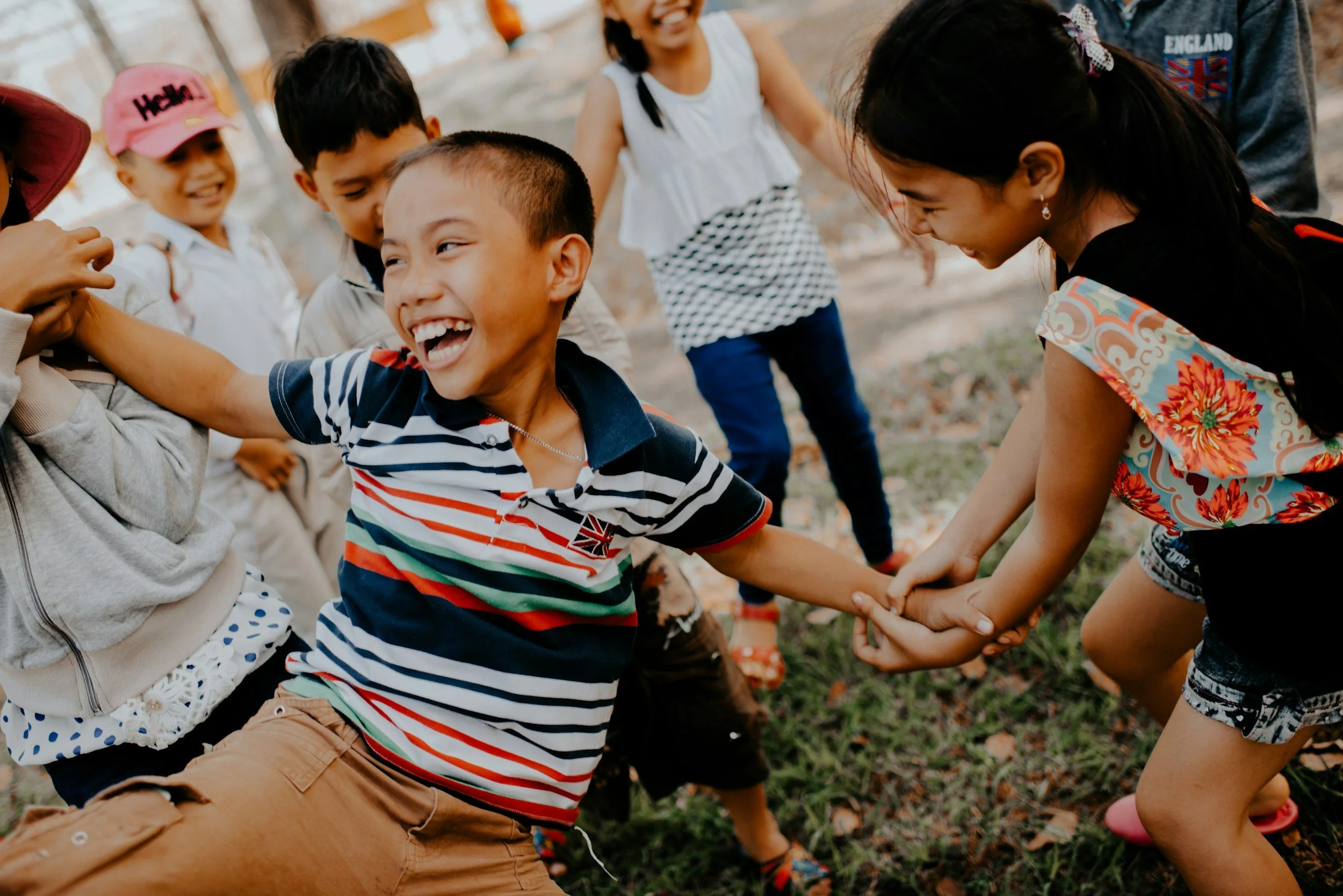
Watching your child struggle with friendships can be heartbreaking.
When they're consistently left out, have difficulty reading social cues, or seem isolated despite wanting connections, you know something needs to change. As a Berkeley parent, you want your child to thrive in their social environment, whether at school, in the neighborhood, or during extracurricular activities.
At Mind Matters, we specialize in comprehensive social skills assessments that uncover the root causes behind your child's social challenges. Our neurodiversity-affirming approach recognizes that every child has unique social communication patterns and strengths. We don't just identify difficulties; we reveal your child's natural social abilities and create a roadmap for building meaningful peer relationships.
Located right on Telegraph Avenue in Berkeley, we understand the diverse, academically focused community your family is part of. Our evaluations consider the specific social dynamics of Berkeley schools and help your child develop the skills they need to connect authentically with their peers while honoring their individual communication style.
A social skills assessment at Mind Matters is a comprehensive evaluation that examines how your child navigates social situations, communicates with peers, and processes social information.
This detailed assessment goes beyond surface behaviors to understand the underlying patterns that affect your child's ability to form and maintain friendships.
Our evaluation process begins with extensive parent and teacher interviews to understand your child's social challenges across different environments. We use standardized assessments, observational tools, and interactive social scenarios to evaluate pragmatic language skills, nonverbal communication, social problem-solving, and emotional regulation in social contexts. For many families, this assessment also includes autism spectrum screening when social communication differences suggest this possibility.
During the assessment, we observe how your child initiates conversations, responds to social cues, manages peer conflicts, and adapts their communication style to different situations. We pay special attention to their ability to understand perspective-taking, recognize emotions in others, and navigate the complex social hierarchies that exist in school settings.
The result is a detailed understanding of your child's unique social communication profile, including their strengths, challenges, and specific recommendations for support. Our report provides practical strategies for parents, teachers, and the child themselves, along with referrals to appropriate social skills groups, therapeutic services, or school accommodations that can help your child build stronger peer relationships and greater social confidence.
Schedule Your Social Skills Assessment
Key Benefits
-
Many children who struggle socially actually have remarkable strengths that go unrecognized. Your child might be incredibly empathetic, have deep knowledge about specific interests that could connect them with like-minded peers, or possess a refreshing authenticity that others find appealing. Our assessment identifies these natural social abilities and shows you how to build upon them.
In Berkeley's diverse school environment, we see children whose social differences are actually reflections of their creativity, intellectual giftedness, or unique cultural perspectives. Rather than trying to change who your child is, we help you understand how their individual traits can become social assets. For example, a child who seems "too intense" about their interests might simply need help finding the right peer group who shares their passions.
Our neurodiversity-affirming approach means we're not trying to make your child fit a neurotypical social mold. Instead, we identify their authentic social style and provide strategies that honor their natural way of connecting while building skills that help them navigate social expectations. This leads to more genuine friendships and greater social confidence because your child learns to leverage their inherent strengths rather than constantly trying to mask their differences.
-
When children struggle socially, parents often see the symptoms, exclusion, loneliness, peer conflicts, but not the underlying causes. Our comprehensive assessment pinpoints exactly what's interfering with your child's ability to connect with peers, whether it's difficulty reading nonverbal cues, challenges with conversation timing, struggles with emotional regulation, or differences in processing social information.
In Berkeley's academically competitive environment, we frequently see children whose social challenges stem from perfectionism, anxiety about social performance, or feeling different from their peers due to advanced intellectual development. Sometimes what appears to be social skills deficits are actually responses to sensory overwhelm, executive functioning challenges, or unrecognized autism spectrum characteristics that affect social communication.
By identifying these specific barriers, we can create targeted interventions that address root causes rather than just surface behaviors. This means your child receives support that actually makes a difference, whether that's learning specific strategies for joining peer groups, developing emotional regulation skills, or finding accommodations that reduce social anxiety. Understanding the "why" behind social struggles is the first step toward meaningful improvement in your child's peer relationships.
-
After identifying your child's social profile, we don't leave you wondering what to do next. Our detailed recommendations provide a step-by-step plan for supporting your child's social development at home, at school, and in community settings. This includes specific strategies you can implement immediately, resources for ongoing support, and referrals to Berkeley-area social skills groups or therapists when appropriate.
-
Berkeley's school communities have their own social dynamics, cultural values, and expectations that can be challenging for some children to navigate. Our local expertise means we understand the specific social environment your child is experiencing, from the collaborative learning approaches used in many Berkeley schools to the diverse cultural backgrounds of their peer groups.
We're familiar with how Berkeley Elementary schools, King Middle School, Berkeley High, and local private schools approach social-emotional learning, and we can provide recommendations that align with your child's educational environment. Our assessment considers the academic intensity many Berkeley families value while ensuring your child has the social skills to thrive in this achievement-oriented community.
Because we work directly with Berkeley-area schools, we can also provide advocacy support to help your child receive appropriate social accommodations or participate in school-based social skills programs. Our understanding of local resources means we can connect you with Berkeley-specific support groups, recreational programs, and therapeutic services that will reinforce the social skills your child is developing.
-
Many parents come to us with questions about whether their child's social challenges might be related to autism spectrum characteristics. Our assessment can provide clarity about autism spectrum traits while maintaining a strengths-based, neurodiversity-affirming perspective that celebrates different ways of thinking and communicating.
If autism spectrum characteristics are identified, we help families understand this as valuable information about their child's unique neurology, not as a limitation. We provide specific strategies for supporting autistic children's social development that honor their natural communication style while building skills for navigating neurotypical social expectations. This balanced approach helps autistic children develop authentic friendships without sacrificing their individual identity.
Our assessment also differentiates between autism spectrum traits and other conditions that can affect social communication, such as social anxiety, ADHD, or gifted child characteristics. This precision ensures your child receives the most appropriate support for their specific profile, whether that's autism-informed social skills training, anxiety treatment, or accommodations for twice-exceptional learners.
-
Parents often feel helpless when their child struggles socially, unsure whether to intervene or step back, and worried about making things worse. Our assessment empowers you with specific knowledge about your child's social communication patterns and practical strategies you can use to support their peer relationships without overstepping.
Service Categories
Comprehensive Social-Emotional Evaluation
Our most thorough assessment examines all aspects of your child's social communication, including pragmatic language skills, nonverbal communication, perspective-taking abilities, and emotional regulation in social contexts. This evaluation includes standardized testing, behavioral observations, and comprehensive interviews with parents and teachers to create a complete picture of your child's social functioning across all environments.
Autism Spectrum Screening and Assessment
Specialized evaluation for families with questions about possible autism spectrum characteristics affecting their child's social communication. This assessment uses gold-standard diagnostic tools while maintaining a neurodiversity-affirming approach that identifies strengths alongside challenges. Includes detailed recommendations for supporting autistic children's social development in family, school, and community settings.
Focused Social Skills Assessment
Targeted evaluation for specific social concerns such as difficulty making friends, peer rejection, or challenges with social problem-solving. This streamlined assessment focuses on particular areas of social functioning and provides specific strategies for improvement. Ideal for families who need clarity about specific social challenges without a full comprehensive evaluation.
Social Communication for Gifted Children
Specialized assessment for intellectually gifted children who may struggle socially due to asynchronous development, perfectionism, or difficulty relating to age-peers. This evaluation considers the unique social challenges faced by gifted learners and provides strategies for finding appropriate peer groups and developing authentic friendships.
Friendship and Peer Relationship Evaluation
In-depth assessment of your child's ability to initiate, maintain, and navigate peer friendships. Examines social problem-solving, conflict resolution, loyalty, empathy, and the ability to maintain long-term peer relationships. Includes observations of peer interaction when possible and detailed recommendations for building stronger friendship skills.
Our Process
1. Initial Parent Consultation
We begin with a detailed discussion about your specific concerns regarding your child's social development. During this 60–90-minute meeting, we explore your child's social history, current challenges, and family goals. We also gather information about your child's school experience, peer relationships, and any previous evaluations. This consultation helps us design an assessment plan tailored to your family's questions and concerns.
2. Comprehensive Assessment Sessions
Your child will participate in 2-3 assessment sessions lasting 2-4 hours each, scheduled over 1-2 weeks. These sessions include standardized testing, structured social scenarios, and naturalistic observations of social communication. We create a comfortable, engaging environment where your child can demonstrate their best abilities while we gather detailed information about their social communication patterns and skills.
3. Teacher and School Input
We gather information from your child's teachers and school staff to understand their social functioning in the educational environment. This includes structured questionnaires, phone consultations, and sometimes brief school observations. Understanding how your child navigates the social aspects of school helps us provide comprehensive recommendations that work across all settings.
4. Results Review and Planning
Within 2-3 weeks of completing the assessment, we meet with parents to review detailed results and recommendations. This 90-minute session includes explanation of your child's social communication profile, specific strategies for supporting their development, and referrals to appropriate resources. We also discuss how to share age-appropriate information with your child about their social strengths and areas for growth.
5. Ongoing Support and Advocacy
Following the initial assessment, we provide continued support through school meeting advocacy, parent consultations, and teen feedback sessions. We can attend IEP or 504 plan meetings to help explain your child's social needs and advocate for appropriate accommodations. As your child develops, we're available for follow-up consultations to address new concerns or transitions.
Our Approach
At Mind Matters, our approach to social skills assessment is rooted in the understanding that every child has a unique social communication style that deserves to be understood and valued.
Rather than focusing solely on deficits or trying to force children into neurotypical social molds, we take a neurodiversity-affirming stance that recognizes different social communication patterns as natural variations rather than disorders to be fixed.
Our assessment methodology combines evidence-based standardized tools with naturalistic observations and collaborative input from families and schools. We believe that true understanding of a child's social functioning requires seeing them across multiple environments and contexts. This comprehensive approach allows us to identify not just areas of challenge, but also natural strengths and preferred social communication styles that can be built upon.
We place special emphasis on understanding the intersection between social skills and other aspects of development, including sensory processing, executive functioning, emotional regulation, and cognitive abilities. Many children who struggle socially have underlying differences in these areas that significantly impact their peer relationships. By addressing these foundational elements, we can provide more effective and lasting support for social development.
Our Berkeley location allows us to understand the specific social and cultural context your child is navigating. We're familiar with the collaborative, diverse, and academically-focused environment that characterizes many Berkeley schools and communities. This local expertise ensures our recommendations are practical and relevant to your child's daily social experiences, whether they attend public school, private school, or are homeschooled in the Berkeley area.
Frequently Asked Questions
Mind Matters has been serving Berkeley families since its founding, with Dr. Rebecca Murray-Metzger providing specialized psychoeducational evaluations for children and teens experiencing learning, social, and emotional challenges. Located on Telegraph Avenue in the heart of Berkeley, our practice combines clinical expertise with a deep understanding of the local educational and cultural community.
-
Consider an assessment if your child frequently experiences peer rejection, has difficulty making or keeping friends, struggles to read social cues, seems isolated despite wanting friendships, or shows repetitive social mistakes. In Berkeley's academic environment, we also see children who are intellectually advanced but socially struggling, or those who seem overwhelmed by the social demands of school. Trust your instincts, if you're consistently concerned about your child's social development, an assessment can provide valuable insights.
-
While there's overlap between these evaluations, social skills assessment examines the broader range of factors that affect peer relationships, including anxiety, ADHD, giftedness, or general social learning needs. Autism screening specifically looks for characteristics of autism spectrum conditions that affect social communication. Many children benefit from social skills assessment even if they're not autistic, while some children receive both types of evaluation to fully understand their profile.
-
Yes, Berkeley Unified School District and local private schools typically accept recommendations from licensed psychologists, and we have collaborative relationships with many local schools. Our reports meet educational standards and can support IEP or 504 plan development when appropriate. We also offer school meeting advocacy to help explain your child's needs and ensure recommendations are properly implemented in their educational environment.
-
The complete process typically takes 3-4 weeks from initial consultation to results review. Assessment sessions are scheduled over 1-2 weeks, with additional time needed for teacher input, scoring, report writing, and scheduling the results meeting. We understand families want answers quickly, but thorough assessment takes time to ensure accuracy and comprehensive recommendations.
-
Assessment is the evaluation process that identifies your child's social communication strengths and challenges, resulting in a detailed report with recommendations. Therapy is the ongoing treatment that implements strategies to improve social skills. Many families use assessment results to find appropriate social skills groups or individual therapy in Berkeley, while others implement recommendations independently with our guidance through follow-up consultations.
Support Your Child's Social Growth in Berkeley
Every child deserves meaningful friendships and social confidence.