
Peer Conflict Assessment in Berkeley, California
Understand your child's social challenges and build a clear path to peer success
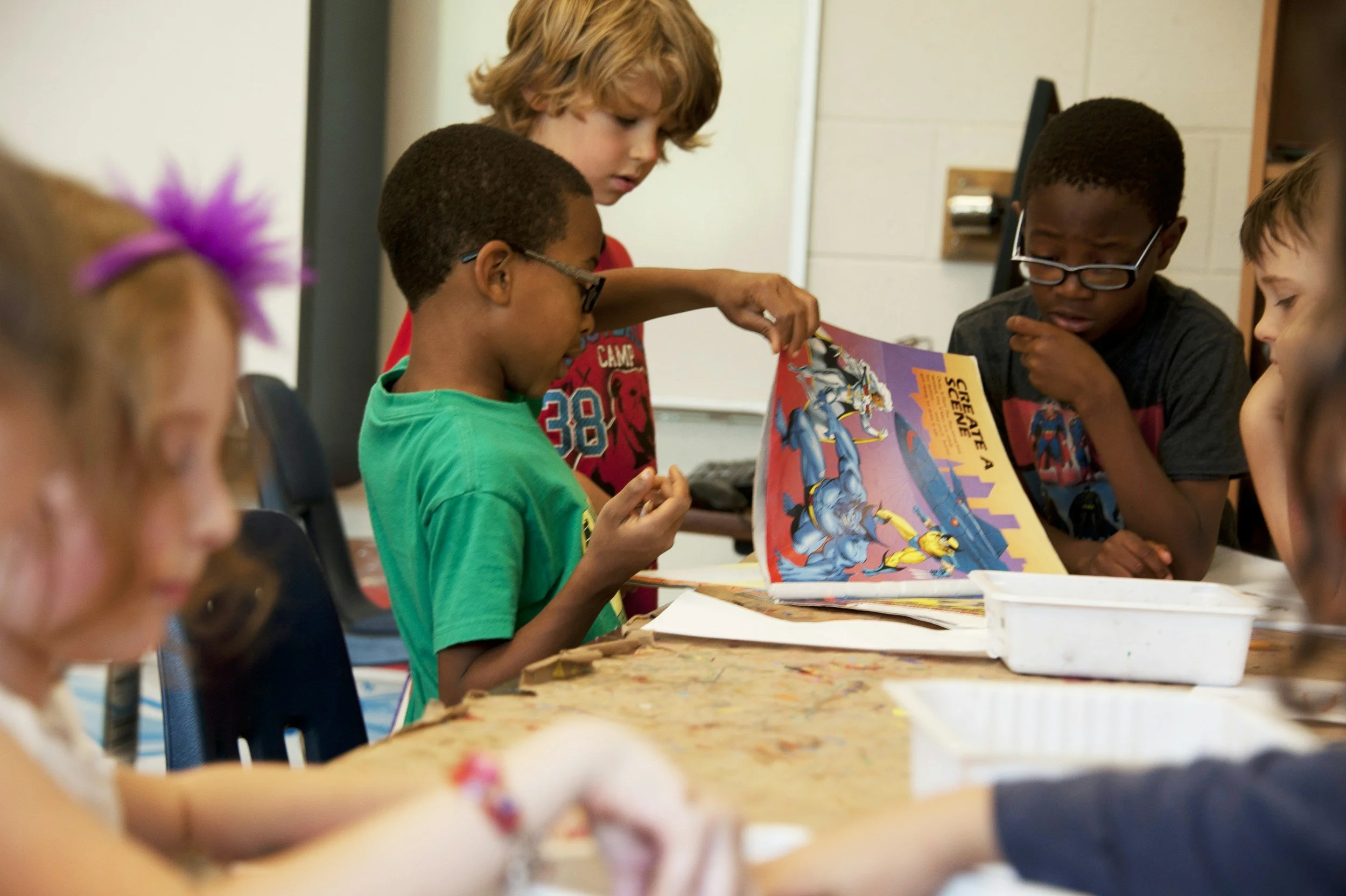
You see their distress, but understanding the root causes, whether it's social communication differences, undiagnosed autism, or simply needing targeted social skills support, requires specialized expertise.
At Mind Matters, Dr. Rebecca Murray-Metzger brings over 20 years of experience helping Berkeley families navigate complex peer dynamics through comprehensive social learning assessments. Our neurodiversity-affirming approach identifies not just social vulnerabilities, but your child's unique social strengths and communication style.
Berkeley's diverse, academically focused environment presents unique social challenges for many children. Our Telegraph Avenue location serves families who need more than generic advice; you need a precise understanding of your child's social profile and actionable strategies that work in Berkeley's progressive, inclusion-minded school communities.
When your child struggles with peer relationships, faces bullying, or seems isolated at school, the confusion and worry can feel overwhelming.
Our peer conflict and social learning assessments provide a comprehensive evaluation of your child's social communication abilities, peer interaction patterns, and potential underlying factors contributing to social difficulties.
Through standardized assessments, behavioral observations, and collaborative input from parents and teachers, we create a complete picture of your child's social world.
The evaluation process begins with understanding your specific concerns about peer relationships, bullying incidents, or social isolation. We assess social communication skills, emotional regulation, perspective-taking abilities, and identify potential autism spectrum traits or social anxiety that may impact peer interactions. Our assessment includes observation of your child's social problem-solving strategies and communication patterns.
Dr. Murray-Metzger's background in school collaboration ensures our recommendations integrate seamlessly with Berkeley Unified School District's approaches to social-emotional learning and anti-bullying initiatives. We identify specific social skills training needs, environmental modifications, and intervention strategies that address both immediate conflicts and long-term social development.
Following assessment, families receive detailed recommendations for social skills programs, school-based interventions, and strategies for building your child's confidence in peer situations. Our ongoing consultation helps implement these recommendations effectively within Berkeley's educational landscape.
Build Your Child's Social Success
Key Benefits
-
Many children experiencing peer conflicts have underlying social communication differences that go unrecognized. Our comprehensive assessment evaluates how your child processes social cues, interprets peer intentions, and navigates the complex unwritten rules of childhood friendships.
For Berkeley families, where academic achievement often overshadows social development concerns, this detailed analysis reveals whether your child needs specialized support for autism spectrum traits, social anxiety, or specific social learning differences. Through standardized assessments and careful behavioral observation, we identify patterns that explain why your child might seem "different" to peers or struggle with social reciprocity.
Understanding these differences transforms your approach from managing behavior problems to supporting your child's authentic social communication style. Berkeley's diverse school environment benefits children when their unique social needs are clearly understood and appropriately supported.
-
Dr. Murray-Metzger's extensive school collaboration experience ensures our social learning assessments translate into effective educational support. Many children experiencing peer conflicts benefit from formal accommodations or social skills support through IEP or 504 plans.
Our detailed assessment provides the documentation Berkeley schools need to implement appropriate social-emotional support services. We attend school meetings to advocate for your child's social learning needs, explain assessment findings to educational teams, and ensure recommended interventions are properly implemented.
Berkeley's resource-rich educational environment offers numerous social skills programs and peer support options when families arrive with clear professional guidance about their child's specific needs.
-
While many ADHD interventions focus on immediate symptom management, our approach prioritizes developing the executive function skills that children need for lifelong success. We provide comprehensive strategies for improving working memory, cognitive flexibility, inhibitory control, and metacognitive awareness that serve children well beyond their school years.
Executive function development is particularly crucial for Berkeley children who often face high academic expectations and complex future planning demands. We help children develop organizational systems that work with their natural thinking patterns, time management strategies that account for ADHD time perception differences, and self-monitoring skills that promote independence and self-advocacy.
Our executive function interventions are developmentally appropriate and designed to grow with your child. For younger children, we focus on building foundational skills like following multi-step directions, transitioning between activities, and beginning self-regulation strategies. For adolescents, we address more complex skills like project planning, study strategies, and preparation for the executive function demands of college and career success.
-
Rather than teaching children to mask their authentic selves, our assessment-based approach identifies your child's natural social strengths and builds confidence from within. We evaluate your child's preferred communication style, social interests, and relationship-building abilities to create strategies that honor their neurodivergent traits while building practical peer interaction skills.
Berkeley's accepting, diverse community provides ideal opportunities for children to develop authentic friendships when their social profile is clearly understood. Our strength-based recommendations focus on connecting your child with compatible peer groups, developing their natural social abilities, and building confidence through successful social experiences.
This approach prevents the anxiety and depression that often result from forcing children into uncomfortable social expectations while building genuine peer connections.
-
Peer conflicts often reflect underlying anxiety, sensory processing differences, or emotional regulation challenges that require specialized support. Our comprehensive assessment evaluates how your child's emotional and behavioral patterns impact peer relationships, identifying specific areas needing therapeutic intervention or environmental modification.
Berkeley families benefit from this holistic approach that addresses root causes rather than surface behaviors. We assess your child's emotional regulation skills, sensory sensitivities that might affect peer interactions, and anxiety patterns that interfere with social engagement.
This analysis informs recommendations for therapeutic support, classroom accommodations, and home strategies that address the foundation of social difficulties rather than simply managing peer conflict symptoms.
-
Social skills development requires ongoing support and adjustment as children grow and face new peer challenges. Our assessment creates a roadmap for your child's social development that extends beyond immediate conflict resolution to build lasting peer relationship abilities.
Berkeley's strong network of social skills programs, therapeutic services, and educational resources supports families when they have clear direction about their child's evolving social needs.
We provide guidance for selecting appropriate social skills training programs, therapeutic services, and educational placements that match your child's developmental trajectory. Our follow-up consultations help families navigate transitions, address emerging social challenges, and celebrate your child's growing social confidence and peer relationship success.
Service Categories
Comprehensive Social Communication Assessment
Complete evaluation of your child's social communication abilities, including verbal and nonverbal communication patterns, social reciprocity, and peer interaction skills. This assessment identifies autism spectrum traits, social anxiety, and specific social learning differences that impact peer relationships. Includes detailed recommendations for social skills training and school-based interventions.
Bullying Vulnerability Analysis
Specialized assessment identifying factors that may make your child vulnerable to peer victimization, including social naivety, communication differences, and assertiveness skills. Provides targeted strategies for building social resilience and working effectively with schools to prevent and address bullying situations.
Social Skills Program Recommendations
Following assessment, receive specific guidance for selecting appropriate social skills training programs, therapeutic interventions, and peer support services available in the Berkeley area. Includes coordination with local providers and ongoing consultation to ensure effective implementation.
School Consultation and IEP Support
Professional advocacy and support for school meetings addressing your child's social learning needs. Dr. Murray-Metzger attends meetings to explain assessment findings, recommend appropriate accommodations, and ensure Berkeley schools provide necessary social-emotional support services.
Our Process
1. Initial Consultation and Concern Review
We begin with a detailed discussion of your specific concerns about peer relationships, social conflicts, or bullying experiences. This consultation includes reviewing your child's social history, current challenges, and family goals for social development. We explain the assessment process and answer questions about what to expect during evaluation.
2. Comprehensive Social Learning Assessment
Your child participates in standardized social communication assessments, interactive social problem-solving tasks, and behavioral observations designed to evaluate their social skills, communication patterns, and peer interaction abilities. The assessment typically requires 4-6 hours to be completed across multiple sessions to ensure accurate results without overwhelming your child.
3. Parent and Teacher Input Collection
We gather detailed information from parents and teachers about your child's social behaviors across different environments. This includes structured questionnaires, behavioral rating scales, and collaborative discussions about your child's social strengths, challenges, and intervention needs. School collaboration ensures a comprehensive understanding of peer dynamics.
4. Results Review and Recommendation Development
Following assessment completion, Dr. Murray-Metzger analyzes all findings to create detailed recommendations for social skills support, school interventions, and therapeutic services. Results are presented in a comprehensive report explaining your child's social profile, strengths, and specific strategies for building peer relationship success.
5. Implementation Support and Follow-up
We provide ongoing consultation to help implement recommended interventions, coordinate with schools and service providers, and address new challenges as they arise. Follow-up services ensure your child's social development continues progressing and strategies remain effective as peer relationships evolve.
Our Approach
Dr. Murray-Metzger's approach to peer conflict assessment is fundamentally strengths-based and neurodiversity-affirming, recognizing that social differences often reflect unique brain styles rather than deficits requiring correction.
This philosophy is particularly important for Berkeley families, where diversity of thinking and authentic self-expression are valued community principles.
Our assessment methodology combines evidence-based standardized instruments with qualitative observation and collaborative family input to create a comprehensive understanding of your child's social world. We evaluate not just areas of difficulty, but social strengths, preferred communication styles, and natural relationship-building abilities that can be developed and supported.
The assessment process is designed to be engaging and non-threatening for children, drawing on Dr. Murray-Metzger's theater background to create comfortable interactions that reveal authentic social behaviors. We understand that social assessment can feel vulnerable for children already struggling with peer relationships, so our approach prioritizes building rapport and confidence throughout the evaluation process.
Berkeley's progressive educational environment provides unique opportunities for implementing individualized social learning support when families arrive with clear professional guidance. Our recommendations are specifically tailored to work within Berkeley Unified's social-emotional learning framework while addressing your child's particular needs for peer relationship development and conflict resolution skills.
Frequently Asked Questions
Mind Matters, led by Dr. Rebecca Murray-Metzger, has served Berkeley families for years with specialized neurodevelopmental assessments and school collaboration expertise. Our Telegraph Avenue location provides convenient access to comprehensive psychological evaluation services for East Bay families seeking understanding and support for their children's unique learning and social profiles.
-
Children experiencing peer difficulties often have underlying differences in social communication processing, including challenges interpreting nonverbal cues, understanding social expectations, or navigating unspoken peer group rules. Our assessment identifies whether autism spectrum traits, social anxiety, or specific social learning differences contribute to conflicts, providing clear strategies for supporting your child's natural communication style while building peer interaction skills.
-
We evaluate multiple factors that may make children targets for peer victimization, including social awareness levels, assertiveness skills, communication differences, and emotional regulation patterns. The assessment includes analyzing your child's responses to social scenarios, their understanding of peer dynamics, and their current strategies for handling conflicts. This comprehensive approach identifies specific areas for building social resilience and self-advocacy skills.
-
Yes, our detailed assessment reports provide Berkeley schools with specific documentation needed for implementing social skills support services, classroom accommodations, or formal IEP/504 plan services. Dr. Murray-Metzger's school collaboration experience ensures recommendations align with Berkeley Unified's resources while addressing your child's unique social learning needs effectively.
-
Following assessment, you receive a comprehensive report explaining your child's social communication profile, specific recommendations for intervention services, and strategies for supporting peer relationship development. We provide referrals to appropriate social skills programs and therapeutic services in the Berkeley area, and offer ongoing consultation to help implement recommendations successfully.
-
The complete assessment typically requires 4-6 hours of direct testing with your child, usually scheduled across 2-3 sessions to prevent fatigue and ensure accurate results. Including parent consultations, teacher input collection, and report preparation, the entire process is generally completed within 2-3 weeks of the initial appointment.
Support Your Child's Social Success in Berkeley
Professional assessment creates clear pathways to peer relationship confidence