
Multimodal Learning Assessment in Berkeley, CA
Unlock Your Child's Learning Potential Through Personalized Assessment
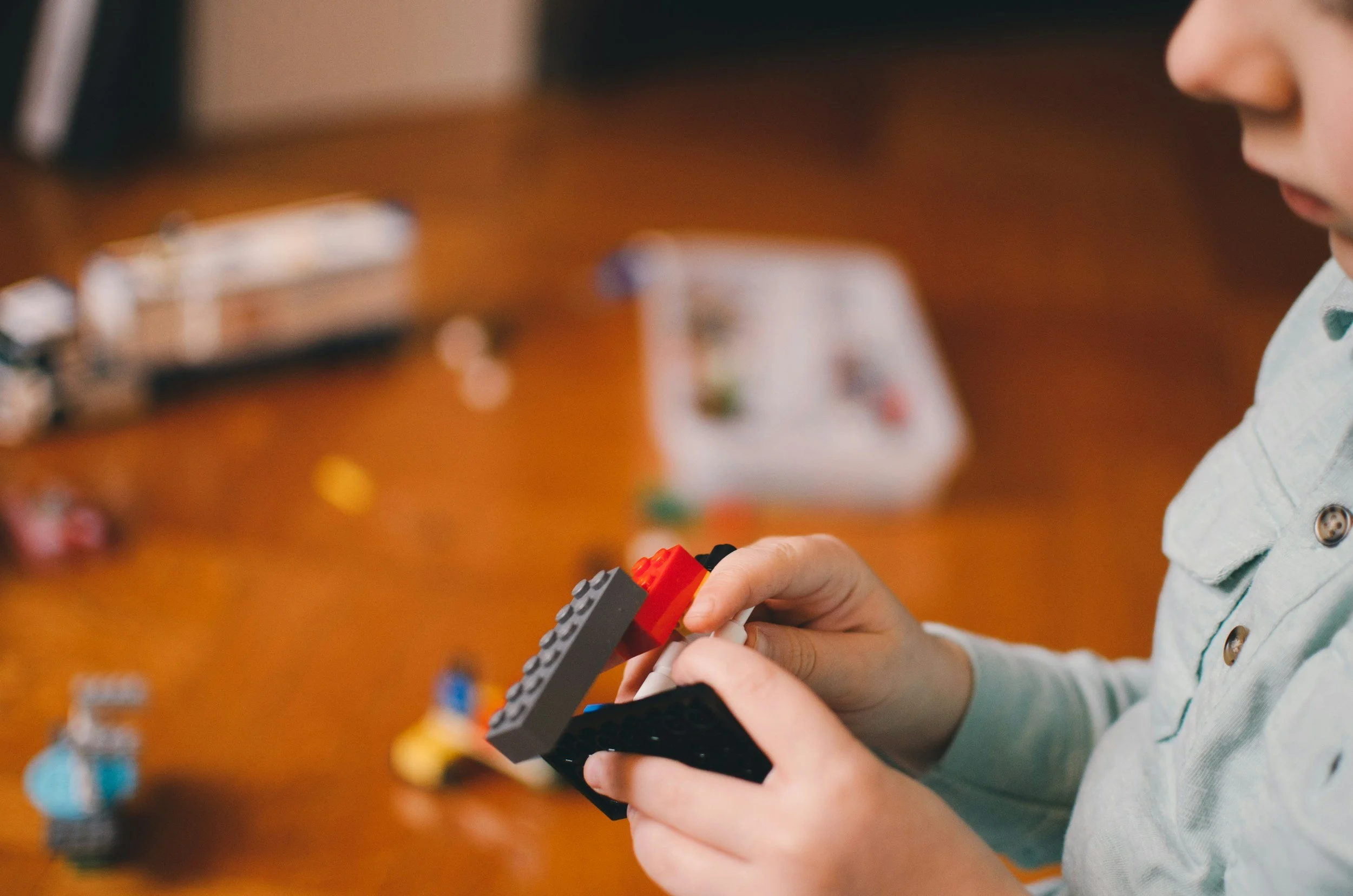
Does your Berkeley child struggle with traditional teaching methods, even though you know they're bright?
Many families in our community watch their children become frustrated, disengaged, or develop negative feelings about learning, not because they can't learn, but because they're not learning in the way their brain works best.
At Mind Matters, we believe every child has a unique learning profile that combines visual, auditory, and kinesthetic preferences in distinct ways. Our comprehensive multimodal learning assessments go beyond simple categorization to create a detailed map of how your child processes, retains, and demonstrates knowledge most effectively.
Located on Telegraph Avenue in Berkeley, we serve families throughout the East Bay who want to move beyond guesswork and discover the specific instructional approaches, environmental modifications, and learning strategies that will help their child thrive both at school and at home.
Our multimodal learning assessment is a comprehensive evaluation that examines how your child learns best across all sensory channels.
Unlike basic learning style surveys, our assessment combines standardized testing, observational data, and hands-on activities to create a complete picture of your child's learning preferences and optimal instructional conditions.
During the assessment process, we systematically evaluate your child's visual processing strengths, how they interpret charts, diagrams, and written information. We examine auditory processing abilities through listening tasks, verbal instructions, and sound-based learning activities. We also assess kinesthetic and tactile preferences through movement-based tasks and hands-on problem-solving activities that reveal how your child learns through physical engagement.
The evaluation includes assessment of attention and focus across different modalities, memory processing for various types of information, and organizational strategies that match your child's natural learning style. We also examine how environmental factors like lighting, seating arrangements, and background noise affect your child's learning performance.
Following the assessment, you'll receive detailed recommendations for instructional modifications, study strategies, and environmental accommodations. These practical suggestions help teachers understand how to present information in ways that match your child's learning profile, while giving you specific tools to support homework and learning at home. Our Berkeley location allows us to work closely with local schools to implement these recommendations effectively.
Discover How Your Child Learns Best
Key Benefits
-
Every child processes information differently, combining visual, auditory, and kinesthetic preferences in unique patterns. Our comprehensive assessment reveals these specific combinations, moving beyond simple categories to understand the nuanced ways your child learns best. For Berkeley families, this means working with local schools that increasingly recognize diverse learning styles, from the innovative programs at Berkeley Unified to the many alternative education options throughout our community.
The assessment examines not just whether your child is a "visual learner," but specifically which types of visual information they process most effectively, charts versus diagrams, color-coded versus black-and-white materials, or static versus animated presentations. Similarly, we evaluate auditory preferences for different types of sounds, speech patterns, and musical elements, while assessing kinesthetic needs for movement, touch, and spatial learning.
Understanding these specific preferences allows us to provide targeted recommendations that dramatically improve learning efficiency. Parents often report that homework time becomes more productive and less stressful when they implement our assessment-based strategies, while teachers gain valuable insights for classroom instruction that benefits not just your child, but often helps them better serve other students with similar learning profiles.
-
Our assessment translates complex learning science into practical, actionable strategies you can implement immediately. Rather than generic advice, you'll receive specific instructional modifications tailored to your child's unique learning profile, designed to work within Berkeley's diverse educational landscape from traditional public schools to innovative charter programs and private institutions.
These modifications address everything from how information should be presented to your child, to the optimal timing and pacing for different types of learning activities. We provide detailed guidance on study environments, homework strategies, and communication techniques that align with your child's processing preferences. For visual learners, this might include specific types of graphic organizers or color-coding systems. For auditory learners, we might recommend particular discussion strategies or ways to incorporate music and rhythm into learning.
Berkeley's educational community is particularly receptive to evidence-based learning accommodations, and our recommendations are designed to integrate seamlessly with existing classroom practices. We provide specific language and documentation that helps teachers understand and implement modifications, while giving you the tools to advocate effectively for your child's learning needs during school meetings and parent-teacher conferences.
-
The physical learning environment significantly impacts how effectively children can focus, process information, and demonstrate their knowledge. Our multimodal assessment evaluates your child's sensory preferences and environmental needs, providing specific recommendations for optimizing both home and school learning spaces to maximize their potential.
We assess sensitivity to lighting, sound, temperature, and seating arrangements, along with preferences for background stimulation or quiet environments. Many Berkeley children benefit from specific environmental modifications that address the unique challenges of urban classroom settings, from managing street noise to optimizing natural light from large school windows common in our area's architecture.
Environmental accommodations might include recommendations for specific types of seating, lighting conditions, or background sound that enhance focus and learning. We also address organizational systems that work with your child's natural tendencies, helping them manage materials, time, and workspace in ways that reduce stress and increase productivity. These strategies are particularly valuable for Berkeley families balancing academic demands with the rich array of extracurricular opportunities available in our community.
-
Different children process information at different rates and maintain attention most effectively under varying conditions. Our assessment evaluates these patterns across modalities, helping you understand not just what your child learns best, but when and under what circumstances they learn most efficiently. This understanding is crucial for Berkeley families navigating academic environments that often emphasize quick processing and sustained attention.
We examine how your child's attention varies throughout the day, their optimal work periods, and the types of breaks or transitions that help maintain focus. This information proves invaluable for scheduling homework, planning study sessions, and communicating with teachers about optimal timing for important lessons or assessments. Many parents discover that simple adjustments to daily routines dramatically improve their child's academic performance and reduce family stress.
The assessment also reveals how processing speed varies across different types of tasks and learning modalities. Some children process visual information quickly but need more time with auditory instructions, while others show the opposite pattern. Understanding these variations helps teachers provide appropriate pacing and helps you set realistic expectations for homework and study time, leading to more positive learning experiences and improved academic confidence.
-
Effective studying requires strategies that match individual learning preferences and cognitive strengths. Our assessment identifies the specific study techniques that will be most effective for your child, going beyond generic study tips to create a personalized toolkit of learning strategies aligned with their multimodal profile.
These strategies address how your child should approach different types of academic material, from reading comprehension techniques that match their processing style to math problem-solving approaches that utilize their strongest learning channels. For Berkeley students navigating competitive academic environments, having personalized study strategies offers a significant advantage and helps maintain confidence even when encountering challenging material.
We also provide guidance on how to adapt these strategies for different subjects and types of assignments, helping your child develop flexibility and independence in their learning approach. Parents learn how to support effective studying without creating dependence, while children gain tools they can use throughout their academic journey. These personalized strategies often prove especially valuable during transitions between elementary, middle, and high school levels.
-
Armed with comprehensive assessment results, you'll be prepared to collaborate effectively with your child's teachers and advocate for appropriate classroom accommodations. Our detailed reports provide the documentation and specific recommendations needed to ensure your child receives optimal instructional support within Berkeley's educational system.
We prepare you for productive conversations with teachers, providing clear explanations of your child's learning profile and practical suggestions for classroom implementation. This collaborative approach helps teachers understand how to modify their instruction to better serve your child's needs while maintaining classroom efficiency and meeting curriculum requirements.
The assessment results also provide valuable documentation for formal accommodation requests, whether through 504 plans, IEP modifications, or private school support plans. Berkeley's educational community generally responds well to evidence-based accommodation requests, and our comprehensive evaluations provide the scientific foundation needed to secure appropriate support services and ensure your child's learning needs are properly addressed throughout their academic career.
Service Categories
Comprehensive Multimodal Assessment
Our full evaluation examines visual, auditory, and kinesthetic learning preferences through standardized testing, observational assessment, and hands-on activities. This thorough approach reveals not just broad learning style categories, but specific preferences within each modality. The assessment includes evaluation of processing speed, attention patterns, memory systems, and environmental factors that impact learning effectiveness. You'll receive detailed recommendations for instructional modifications, study strategies, and accommodation requests that can be immediately implemented at home and school.
Focused Learning Style Evaluation
For families with specific questions about their child's learning preferences, our targeted assessment focuses on particular areas of concern. This might include evaluation of visual processing differences, auditory processing challenges, or kinesthetic learning needs. The focused evaluation is ideal when you need specific information to address classroom difficulties or to optimize homework and study routines. Results include practical strategies and modifications tailored to your child's identified learning profile.
Sensory Processing and Learning Environment Assessment
This specialized evaluation examines how sensory factors impact your child's learning effectiveness. We assess sensitivity to lighting, sound, texture, movement, and other environmental factors that influence attention and information processing. The evaluation includes recommendations for optimal seating arrangements, lighting conditions, background sound, and organizational systems. This assessment is particularly valuable for children who seem distracted or uncomfortable in typical classroom environments.
Academic Skills and Learning Style Integration
This comprehensive assessment combines academic skills testing with learning style evaluation to understand how your child's learning preferences impact their performance in reading, writing, and mathematics. We identify specific instructional approaches that align with their learning profile and address any gaps between learning potential and academic achievement. The assessment includes recommendations for modified teaching strategies and study techniques that optimize academic success.
Follow-up Learning Strategy Consultation
For families who have completed an initial assessment, this service provides ongoing support as your child's learning needs evolve. We review current strategies, assess effectiveness of implemented recommendations, and provide updated guidance for new academic challenges. This consultation helps ensure that learning accommodations remain effective as your child progresses through different grade levels and educational environments.
Our Process
1. Initial Consultation and Intake
We begin with a comprehensive discussion of your concerns, your child's learning history, and specific questions you hope the assessment will answer. This 30-minute consultation helps us understand your child's current educational situation, previous evaluations or interventions, and family learning goals. We review any existing school reports, previous testing, and teacher feedback to ensure our assessment addresses your specific questions. During this phase, we also explain the assessment process, discuss timeline expectations, and answer any questions about what to expect during evaluation sessions.
2. Comprehensive Assessment Sessions
The evaluation typically occurs over 2-3 sessions, each lasting 2-3 hours depending on your child's attention span and the scope of assessment needed. We use a combination of standardized tests, observational measures, and hands-on activities to evaluate learning preferences across all modalities. Your child will engage in various tasks designed to reveal visual processing strengths, auditory learning preferences, and kinesthetic learning needs. We also assess attention patterns, processing speed, and memory functions across different types of information and presentation formats.
3. Environmental and Contextual Evaluation
We systematically evaluate how different environmental factors impact your child's learning effectiveness. This includes assessment of optimal lighting conditions, seating preferences, background sound tolerance, and organizational systems. We also examine how time of day, task duration, and break schedules affect attention and performance. This contextual evaluation ensures our recommendations address not just what your child learns best, but when and where they learn most effectively.
4. Results Integration and Report Preparation
Following assessment completion, we analyze all data to create a comprehensive picture of your child's learning profile. This integration process identifies patterns across different measures and develops practical recommendations that address your specific questions and concerns. We prepare a detailed written report that explains findings in clear, understandable language and provides specific strategies for home and school implementation. The report includes accommodation suggestions, instructional modifications, and environmental recommendations tailored to your child's unique learning profile.
5. Feedback Session and Implementation Planning
During a 90-minute feedback session, we review all assessment results and discuss practical implementation strategies. You'll receive your written report along with specific guidance for implementing recommendations at home and communicating findings to your child's teachers. We provide templates and language for requesting school accommodations and discuss strategies for monitoring the effectiveness of implemented changes. This session ensures you leave with clear action steps and confidence in supporting your child's optimal learning.
Our Approach
Our multimodal learning assessment approach recognizes that every child combines visual, auditory, and kinesthetic learning preferences in unique patterns that extend far beyond simple categorization.
We believe effective assessment must examine not just broad learning style preferences, but the specific ways your child processes, retains, and demonstrates knowledge across different contexts and conditions. This nuanced understanding allows us to provide recommendations that truly optimize learning effectiveness.
We employ a strengths-based assessment philosophy that identifies what your child does well across all learning modalities before addressing areas of challenge. This approach helps children feel confident and capable during evaluation sessions while providing a complete picture of their learning capabilities. Rather than focusing solely on deficits or difficulties, we examine the full spectrum of learning preferences to build comprehensive support strategies that utilize existing strengths while addressing areas needing additional support.
Our assessment methodology integrates standardized measures with observational data and real-world learning tasks to ensure recommendations translate effectively into daily academic situations. We recognize that Berkeley families often navigate diverse educational environments, from traditional public schools to alternative programs, and our recommendations are designed to be flexible and adaptable across different educational settings and teaching styles.
The collaborative nature of our approach means we work closely with both families and educational teams to ensure assessment results lead to meaningful improvements in learning effectiveness. We believe the most valuable assessments are those that create positive change in children's daily learning experiences, whether that's reduced homework stress, improved classroom engagement, or increased academic confidence and independence.
Frequently Asked Questions
Mind Matters is a Berkeley-based psychology practice specializing in comprehensive evaluations for children and adolescents. Led by Dr. Rebecca Murray-Metzger, our team provides evidence-based assessment services designed to help families understand and support their child's unique learning profile. Located on Telegraph Avenue, we serve East Bay families seeking personalized approaches to learning and development.
-
Our comprehensive assessment uses standardized testing, observational measures, and hands-on activities to evaluate specific learning preferences across visual, auditory, and kinesthetic modalities. Unlike simple surveys that provide broad categories, our assessment reveals nuanced patterns in how your child processes different types of information, maintains attention under various conditions, and demonstrates knowledge most effectively. The results provide specific, evidence-based recommendations rather than general learning style labels.
-
Our assessment identifies patterns in visual processing (how your child interprets charts, diagrams, and written information), auditory processing (response to verbal instructions, discussions, and sound-based learning), and kinesthetic preferences (need for movement, hands-on activities, and tactile input). We also evaluate processing speed variations across modalities, attention patterns throughout the day, and environmental factors that optimize or impair learning effectiveness. This comprehensive approach helps identify subtle learning differences that might not be apparent through traditional academic testing.
-
Our detailed reports provide specific documentation of your child's learning profile that can support formal accommodation requests through 504 plans or IEP modifications. We include research-based recommendations for instructional modifications, environmental accommodations, and assessment formats that align with your child's learning strengths. Berkeley area schools generally respond well to comprehensive assessment data, and our reports provide the scientific foundation needed to secure appropriate classroom support.
-
Absolutely. Many bright children perform well on tests but experience significant stress with homework or study activities because they're using strategies that don't match their learning profile. Our assessment identifies the specific study techniques, environmental conditions, and organizational systems that will be most effective for your child's learning style. Parents often report dramatic improvements in homework efficiency and reduced family stress after implementing our assessment-based recommendations.
-
The complete process typically takes 3-4 weeks from initial consultation to feedback session. Assessment sessions usually occur over 2-3 appointments, each lasting 2-3 hours depending on your child's attention span and the scope of evaluation needed. Following testing completion, we require 10-14 days to analyze results and prepare your comprehensive report. The final feedback session lasts approximately 90 minutes and includes detailed review of findings plus practical implementation planning.
Unlock Your Child's Learning Potential in Berkeley
Evidence-based assessment for personalized learning success