
Montessori to Traditional School Transition Evaluation in Berkeley, CA
Smooth Your Child's Educational Journey with Expert Assessment & Planning
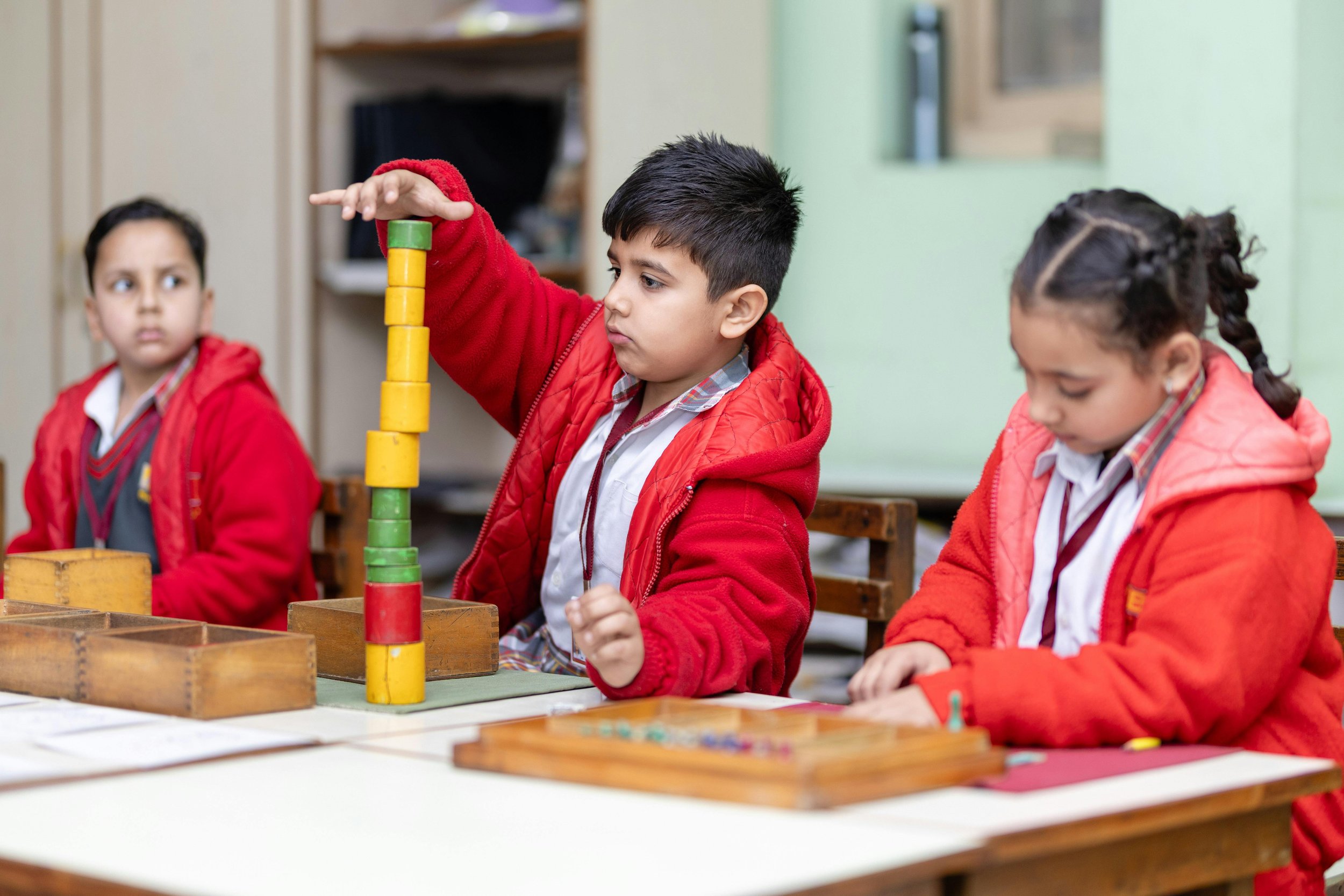
But now you're facing a significant transition to traditional schooling, and you're wondering: Will they adapt to more structured expectations? Can they handle teacher-directed instruction? How will their unique learning style translate to standardized curricula?
These concerns are completely natural. The shift from Montessori's child-centered approach to traditional classroom structures represents one of the most significant educational transitions children face. Many Berkeley families discover that understanding their child's specific learning profile before this transition makes all the difference in ensuring success.
At Mind Matters, we specialize in comprehensive transition evaluations that identify exactly how your child learns best, their readiness for traditional school expectations, and specific strategies to support their adjustment. Our Berkeley location serves families throughout the East Bay who want to ensure their child's educational journey continues smoothly, building on their Montessori foundation while preparing them for new academic challenges.
Your child has thrived in their Montessori environment, developing independence, creativity, and self-directed learning skills.
This specialized evaluation examines how your child's learning style, developed through Montessori methods, will translate to traditional classroom expectations and identifies specific strategies to support their successful adjustment.
Our evaluation process begins with understanding your child's current strengths and how they've learned to approach academic tasks independently. We assess their ability to follow teacher-directed instruction, work within time constraints, and adapt to more structured learning formats. Through standardized testing and clinical observation, we examine cognitive abilities, attention patterns, executive functioning skills, and emotional readiness for traditional school expectations.
The assessment also evaluates your child's social and emotional preparedness for the transition. Many Montessori students excel at self-direction but may need support adjusting to external structure, peer comparison, and performance-based feedback. We examine how your child responds to adult authority, handles academic pressure, and navigates group dynamics in more traditional settings.
Following comprehensive testing, you'll receive detailed recommendations for school selection, classroom accommodations, and home strategies to ease the transition. Our Berkeley team understands the local educational landscape and can provide specific guidance about Bay Area schools that might be the best fit for your child's unique profile, helping you make informed decisions about their educational future.
A Montessori to Traditional School Transition Evaluation is a comprehensive assessment designed specifically for children moving from Montessori environments to conventional educational settings.
Schedule Your Child's Transition Assessment Today
Key Benefits
-
Every child who has experienced Montessori education develops a unique approach to learning that combines independence with curiosity. However, traditional schools operate very differently, with structured schedules, teacher-led instruction, and standardized expectations. Our comprehensive evaluation identifies exactly how your child processes information, maintains attention, and demonstrates knowledge, providing crucial insights into which traditional school environments will support their continued growth.
Berkeley families often discover that their Montessori-educated children have developed exceptional self-regulation skills and intrinsic motivation, but may need specific support transitioning to external structure and evaluation methods. Through detailed cognitive and academic assessments, we map your child's learning strengths and identify potential adjustment challenges before they impact academic performance.
This proactive approach allows you to select schools and request supports that honor your child's learning style while preparing them for new expectations. Many families find that understanding these details transforms a potentially stressful transition into an exciting opportunity for continued growth and development.
-
The shift from child-directed learning to teacher-led instruction requires specific preparation, and our evaluation provides concrete strategies tailored to your child's needs. We assess executive functioning skills like time management, task completion, and attention regulation that become crucial in traditional classroom settings.
Many Montessori students have developed these skills naturally but may need explicit support applying them in new contexts with external deadlines and structured expectations. Our Berkeley team creates detailed transition plans that build on your child's existing strengths while addressing potential adjustment areas. This might include strategies for following multi-step directions, managing homework routines, or adapting to performance-based feedback.
We also provide specific recommendations for maintaining your child's love of learning while adjusting to more structured academic approaches. These targeted interventions help families bridge the gap between educational philosophies, ensuring your child feels confident and prepared rather than overwhelmed by the changes ahead.
-
Montessori environments emphasize collaboration and intrinsic motivation, while traditional schools often involve more competition and external validation. Our evaluation examines your child's social and emotional readiness for these different dynamics, identifying their comfort level with peer comparison, performance pressure, and authority structures.
Understanding these factors helps prevent adjustment difficulties that could impact both academic performance and emotional well-being. We assess how your child responds to various feedback styles, their resilience when facing challenges, and their ability to advocate for themselves in different classroom structures.
Many Berkeley families find that their Montessori-educated children have strong self-awareness and problem-solving skills, but benefit from specific preparation for traditional school social dynamics. Our recommendations include strategies for building confidence, managing academic stress, and maintaining positive relationships with teachers and peers. This comprehensive approach ensures your child's transition preserves their natural curiosity and joy in learning while building skills needed for success in any educational environment.
-
Berkeley and the greater Bay Area offer diverse educational options, and our evaluation provides specific guidance for selecting schools that will best support your child's transition. We understand the local educational landscape and can recommend traditional schools with philosophies and practices that align with your child's learning style and developmental needs.
This personalized guidance helps you make informed decisions rather than hoping for the best fit. Our assessment includes detailed analysis of your child's need for structure, independence, creative expression, and academic challenge. We provide specific questions to ask during school visits and criteria for evaluating whether a particular environment will support your child's continued growth.
Many families discover that certain traditional schools incorporate elements that honor children's natural development while providing necessary structure and academic rigor. Our recommendations help you identify these opportunities and avoid environments that might inadvertently undermine your child's confidence or enthusiasm for learning.
-
Transitioning your child from Montessori to traditional education can feel overwhelming, especially when you've seen them flourish in a child-centered environment. Our evaluation provides you with a deep understanding of your child's learning profile, giving you confidence to advocate for their needs and communicate effectively with new teachers and administrators.
This knowledge becomes invaluable as you navigate new school systems and educational approaches. We provide detailed explanations of how your child's Montessori experience has prepared them for future learning and identify specific strengths to celebrate and build upon.
Our Berkeley team helps you translate your child's abilities into language that traditional educators understand, bridging communication gaps between different educational philosophies. Many parents find that this comprehensive understanding transforms their anxiety about the transition into excitement about their child's continued growth and development in new learning environments.
-
Our evaluation extends beyond immediate transition needs to examine your child's long-term educational journey. We identify learning patterns, academic strengths, and growth areas that will influence their success throughout elementary and secondary education. This comprehensive perspective helps you make decisions that support not just immediate adjustment but continued academic and personal development over time.
The assessment provides roadmaps for supporting your child's unique needs as they progress through traditional educational systems. This includes recommendations for maintaining their independence and critical thinking skills while building compliance and collaboration abilities needed in structured environments.
Our Berkeley team understands that successful transitions preserve what's wonderful about Montessori-educated children while preparing them for diverse educational experiences. This balanced approach ensures your child develops both the flexibility to thrive in various learning environments and the self-advocacy skills needed for lifelong educational success.
Service Categories
Comprehensive Transition Assessment
Our complete evaluation examines cognitive abilities, academic skills, learning style preferences, and social-emotional readiness for traditional school environments. This includes standardized testing, clinical observations, and detailed analysis of how your child's Montessori experience translates to conventional educational expectations. We assess executive functioning, attention regulation, and adaptation to structure while identifying specific strengths to build upon during the transition process.
Learning Style Analysis
Detailed examination of how your child processes information, demonstrates knowledge, and approaches academic tasks. We identify whether they learn best through hands-on exploration, visual presentation, auditory instruction, or kinesthetic activities. This analysis helps determine which traditional school environments and teaching methods will support their continued academic success while honoring their natural learning preferences developed through Montessori education.
School Readiness Evaluation
Assessment of your child's preparedness for traditional classroom expectations including following directions, completing assignments within time limits, working in groups, and responding to teacher authority. We examine their ability to transition between activities, organize materials, and manage academic responsibilities independently. This evaluation identifies specific skills to strengthen before school entry and provides strategies for supporting successful adjustment.
Educational Planning Consultation
Collaborative session to review evaluation results and develop comprehensive transition plans. We provide specific school selection criteria, accommodation recommendations, and strategies for maintaining your child's love of learning throughout the adjustment process. This includes guidance for communicating with new teachers about your child's needs and background, ensuring continuity between their Montessori foundation and future educational experiences.
Our Process
Step 1: Initial Parent Consultation
We begin with a comprehensive discussion about your child's Montessori experience, current concerns, and transition goals. This 60-minute consultation allows us to understand your child's unique background, learning preferences, and any specific challenges you're anticipating. We review their academic progress, social development, and behavioral patterns while gathering detailed information about their current school environment and future educational plans.
Step 2: Comprehensive Assessment Sessions
Your child participates in 4-6 hours of evaluation activities designed to feel engaging and comfortable. We assess cognitive abilities, academic skills, learning style preferences, and social-emotional functioning through standardized tests and clinical observations. Our approach honors your child's Montessori background by incorporating choice and hands-on activities while gathering necessary data about their readiness for traditional school structures and expectations.
Step 3: School and Teacher Consultation
We gather input from your child's current Montessori teachers to understand their strengths, learning patterns, and areas for growth. This collaboration provides crucial insights into how they function in educational settings and what supports have been most effective. We also offer consultation with prospective traditional schools to ensure smooth communication and appropriate planning for your child's entry.
Step 4: Results Review and Planning Session
During this comprehensive meeting, we review all evaluation findings and provide detailed recommendations for supporting your child's transition. You'll receive a complete written report with specific strategies for school selection, classroom accommodations, and home support. We collaborate with you to develop practical implementation plans and provide resources for ongoing success throughout the transition process.
Our Approach
At Mind Matters, our approach to Montessori transition evaluations is both comprehensive and respectful of your child's educational journey.
We understand that children who have experienced Montessori education bring unique strengths including independence, intrinsic motivation, and creative problem-solving abilities. Our evaluation process honors these qualities while examining how they translate to traditional educational environments with different structures and expectations.
Our Berkeley team recognizes that successful transitions require understanding both the child and the educational systems they're entering. We examine not just academic readiness but social-emotional preparedness, learning style preferences, and adaptation strategies that will support long-term success. Rather than viewing differences between educational approaches as problems to solve, we help families build bridges that preserve what's wonderful about Montessori-educated children while preparing them for diverse learning experiences.
We believe every child deserves to be understood, especially during significant transitions. Our neurodiversity-affirming approach means we see different learning styles and developmental patterns as variations that come with distinct strengths rather than deficits to remediate. This perspective allows us to create recommendations that support your child's natural development while building skills needed for success in various educational environments.
Our collaborative process involves parents, current teachers, and prospective schools to ensure continuity and appropriate support. We provide practical, actionable recommendations that families can implement immediately while also creating long-term educational plans. This comprehensive approach helps Berkeley families navigate transitions with confidence, knowing they have expert guidance and concrete strategies for supporting their child's continued growth and academic success.
Frequently Asked Questions
Mind Matters is a Berkeley-based psychology practice specializing in comprehensive evaluations for children and adolescents. Led by Dr. Rebecca Murray-Metzger, our team brings over 20 years of experience helping Bay Area families understand and support their children's unique learning needs through neurodiversity-affirming assessment and advocacy.
-
The complete evaluation process typically takes 2-3 weeks from initial consultation to results review. This includes parent consultation, 4-6 hours of direct assessment with your child, teacher consultations, and comprehensive report preparation. We schedule assessment sessions based on your child's attention span and comfort level, often splitting testing across 2-3 appointments to ensure optimal performance and reduce fatigue.
-
We examine your child's adaptation to external structure, teacher-directed instruction, time-limited tasks, and performance-based feedback. The evaluation assesses their ability to follow sequential directions, complete assignments within deadlines, work in traditional group settings, and respond to conventional classroom management. We also evaluate social adjustment to competitive environments and comfort with standardized assessment methods commonly used in traditional schools.
-
Yes, our evaluation provides valuable insights for private school selection and applications. We assess cognitive abilities, learning style preferences, and social-emotional readiness that help determine the best educational fit for your child. The comprehensive report can support school applications by documenting your child's strengths and any accommodations that would optimize their success in specific learning environments.
-
If the assessment indicates your child would benefit from additional preparation, we provide specific recommendations for building readiness skills. This might include continued Montessori education, bridge programs, or targeted interventions to develop areas like executive functioning or attention regulation. We help families create timelines for transition that honor your child's developmental needs rather than external pressures.
-
We provide detailed reports with clear explanations of your child's learning profile and specific recommendations for classroom support. Our team offers consultation with prospective schools to explain evaluation findings and advocate for appropriate accommodations. We also provide parents with language and strategies for ongoing communication with teachers about their child's needs and background throughout the transition process.
Ready to Support Your Child's Educational Journey?
Expert transition planning starts with understanding your child's unique needs.