
Learning Environment Assessment in Berkeley, CA
Transform your child's classroom experience with expert environmental analysis
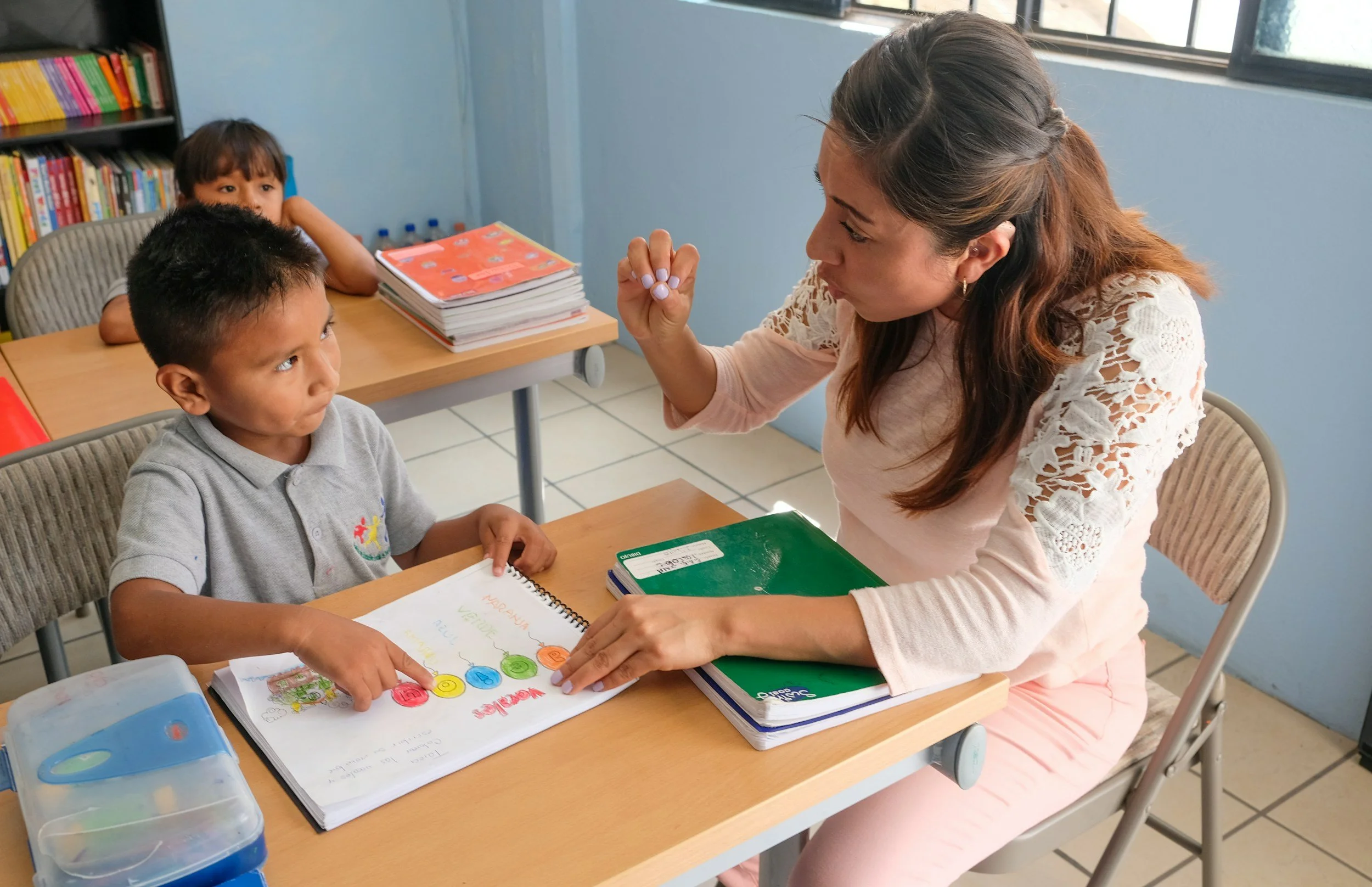
Many Berkeley families struggle when their bright, capable children face unexplained difficulties in the classroom.
Despite having the intellectual ability to succeed, these students may appear distracted, overwhelmed, or underperforming in ways that don't match their true potential. The problem often isn't the child; it's the learning environment itself.
At Mind Matters, we understand that every child's brain works differently, and what helps one student thrive might hinder another. Our comprehensive classroom observation services go beyond traditional assessments to examine how environmental factors, seating arrangements, lighting, noise levels, visual distractions, and classroom structure impact your child's ability to learn and succeed.
Located right here in Berkeley on Telegraph Avenue, we provide families and schools with actionable insights that create immediate, meaningful improvements in learning outcomes. Our neurodiversity-affirming approach recognizes that environmental modifications aren't accommodations; they're smart teaching strategies that benefit all students.
Our Berkeley Learning Environment Assessment is a comprehensive evaluation that observes your child in their natural school setting to identify specific environmental factors that either support or hinder their learning success.
Dr. Rebecca Murray-Metzger personally conducts these detailed classroom observations, examining everything from physical space layout to instructional delivery methods.
During the observation process, we analyze how your child responds to different environmental elements throughout their school day. We examine seating arrangements, classroom acoustics, visual stimulation levels, transition periods, and peer interactions. Our assessment includes detailed documentation of when your child appears most engaged and focused versus when they struggle to maintain attention or participation.
Following the observation, we provide comprehensive recommendations for environmental modifications that can dramatically improve your child's classroom experience. These might include specific seating arrangements, lighting adjustments, organizational tools, or structural changes to daily routines. We work directly with teachers and school staff to implement these modifications effectively.
Our approach recognizes that small environmental changes often produce significant improvements in learning outcomes. Rather than expecting children to adapt to environments that don't serve them well, we help create spaces where their unique learning styles can flourish. This collaborative process ensures that both families and educators have the tools they need to support student success.
Transform Your Child's Learning Environment
Key Benefits
-
Many learning challenges stem from environmental factors that go unnoticed in traditional assessments. Our classroom observations reveal specific elements in your child's school environment that may be creating unnecessary obstacles to their academic success. Dr. Murray-Metzger examines factors like classroom acoustics, visual distractions, seating proximity to high-traffic areas, and lighting conditions that can significantly impact attention and focus.
Berkeley schools often feature diverse learning environments, from historic buildings with unique architectural challenges to modern facilities with open-concept designs. Each setting presents different environmental considerations that affect how children with varying sensory processing styles, attention profiles, and learning differences can access instruction.
Our detailed analysis identifies which specific elements support your child's learning and which create barriers. The result is a clear understanding of why certain classroom situations feel challenging for your child, along with concrete solutions that make immediate differences in their daily school experience.
-
Our assessment provides specific, actionable recommendations that teachers can implement immediately to improve your child's learning environment. Rather than generic suggestions, we offer detailed guidance tailored to your child's unique needs and their specific classroom context.
These modifications might include strategic seating placement, organizational systems, sensory tools, or adjustments to daily routines. Working with Berkeley's diverse educational landscape, from traditional public schools to alternative learning environments, we understand how to craft recommendations that fit within existing classroom structures while maximizing benefits for your child.
Our suggestions respect teachers' instructional goals while creating optimal conditions for your child's success. These environmental modifications often benefit multiple students in the classroom, making implementation more likely and creating positive changes that extend beyond your individual child's needs.
-
Our professional classroom observations provide valuable documentation that strengthens communication between families and schools. When concerns about your child's academic performance arise, our detailed environmental analysis offers concrete data that helps teachers and administrators understand your child's needs more clearly.
This objective assessment creates a foundation for productive conversations about supportive modifications. Dr. Murray-Metzger's extensive experience working with Bay Area schools means she understands local educational cultures and can frame recommendations in ways that resonate with school staff. Her collaborative approach builds bridges between home and school, creating partnerships focused on student success rather than adversarial relationships.
This professional support proves especially valuable during IEP meetings, 504 plan development, or informal school consultations where environmental accommodations are being considered.
-
Our neurodiversity-affirming approach recognizes that children with ADHD, autism, sensory processing differences, and other neurological variations often require specific environmental conditions to demonstrate their true capabilities. Berkeley's progressive educational community increasingly values inclusive practices, and our assessments help schools implement evidence-based environmental supports that align with these values.
We examine how different sensory inputs affect your child's ability to process information, regulate their emotions, and engage with learning activities. This might include analyzing how fluorescent lighting impacts focus, how background noise affects auditory processing, or how visual clutter influences attention regulation. Our recommendations help create environments where neurodivergent children can thrive rather than simply survive.
The goal is ensuring your child's unique neurological profile is seen as a valuable difference that deserves environmental support, not a deficit requiring constant adaptation. This perspective shift often transforms both school experiences and family understanding of your child's needs.
-
Environmental modifications identified through our assessment often provide benefits that extend well beyond the current school year. By understanding the specific conditions that help your child learn most effectively, families and teachers can replicate these supportive elements across different classrooms, grade levels, and even home learning environments.
Our comprehensive recommendations include guidance for advocating for similar environmental supports as your child progresses through their educational journey. This might involve specific language for IEP goals, documentation for college disability services, or strategies for self-advocacy that your child can use independently as they mature.
Berkeley families often appreciate this forward-thinking approach, as it prepares students for success in the Bay Area's competitive academic landscape while honoring their individual learning differences. The environmental awareness developed through our assessment becomes a lifelong tool for academic and professional success.
-
The environmental modifications we recommend often create positive changes that benefit entire classrooms, not just individual students. Teachers frequently report adjustments made for one student's needs, such as improved organization systems, reduced visual clutter, or better traffic flow patterns,enhancing the learning environment for all their students.
This broader impact makes teachers and administrators more receptive to implementing suggested changes, as they see improvements in overall classroom management and student engagement. Berkeley educators, known for their commitment to inclusive practices, often embrace these evidence-based strategies that support diverse learning needs simultaneously.
Service Categories
Comprehensive Classroom Observation
Our detailed classroom observations examine your child's natural learning environment across multiple time periods and activities. We analyze physical space, instructional methods, peer interactions, and environmental factors that influence learning success. This comprehensive approach provides a complete understanding of how environmental elements impact your child's academic performance and social engagement throughout their school day.
Environmental Analysis and Modification Planning
Following classroom observation, we conduct thorough analysis of environmental factors affecting your child's learning experience. Our detailed reports include specific recommendations for seating arrangements, sensory supports, organizational systems, and structural modifications. These actionable plans help teachers create optimal learning conditions that support your child's unique needs and learning style.
Teacher Consultation and Training
We provide direct consultation with your child's teachers to implement recommended environmental modifications effectively. Our collaborative approach includes training on neurodiversity-affirming practices, environmental accommodation strategies, and ongoing support for successful implementation. This ensures modifications are sustained and adjusted as needed throughout the school year.
School Meeting Advocacy
Dr. Murray-Metzger attends school meetings to present environmental assessment findings and advocate for appropriate modifications. Her professional expertise helps school teams understand the connection between environmental factors and student performance, facilitating productive discussions about necessary supports and accommodations.
Follow-up Environmental Monitoring
We provide ongoing monitoring services to assess the effectiveness of implemented environmental modifications and make adjustments as needed. This includes periodic check-ins with teachers and students to ensure modifications continue meeting your child's evolving needs as they progress academically and developmentally.
Our Process
Step 1: Initial Consultation and Planning
We begin with a comprehensive consultation to understand your child's specific challenges and your environmental concerns. Dr. Murray-Metzger reviews any previous evaluations, discusses your child's learning history, and collaborates with you to identify key observation targets. We coordinate with your child's school to schedule observation times that capture typical daily routines and challenging periods. This planning phase ensures our observation focuses on the most relevant environmental factors affecting your child's success.
Step 2: Comprehensive Classroom Observation
Dr. Murray-Metzger conducts detailed observations of your child in their natural classroom environment across multiple time periods and activities. She documents physical environment factors, instructional delivery methods, peer interactions, and your child's responses to various environmental conditions. The observation includes attention to sensory inputs, organizational systems, transition periods, and other environmental elements that impact learning. This typically occurs over 2-3 observation periods to capture comprehensive data.
Step 3: Environmental Analysis and Report Development
Following observations, we analyze collected data to identify specific environmental factors that support or hinder your child's learning success. Our comprehensive report includes detailed findings about optimal learning conditions, problematic environmental elements, and specific modification recommendations. The analysis considers your child's unique neurological profile and learning style to ensure recommendations are tailored and practical for classroom implementation.
Step 4: Recommendation Implementation and Follow-up
We present findings to you and your child's educational team, providing specific guidance for implementing recommended environmental modifications. Dr. Murray-Metzger offers ongoing consultation support to ensure modifications are implemented effectively and adjusted as needed. Follow-up services include monitoring modification effectiveness and providing additional recommendations as your child's needs evolve throughout the school year.
Our Approach
At Mind Matters, our approach to learning environment assessment is grounded in the understanding that every child deserves an educational environment where they can thrive.
We believe that learning challenges often stem from mismatches between a child's neurological needs and their environmental conditions, rather than inherent deficits in the child themselves. This neurodiversity-affirming perspective guides every aspect of our observation and analysis process.
Our methodology combines systematic environmental observation with deep understanding of child development and neurodivergent learning styles. Dr. Murray-Metzger draws on over 20 years of experience to identify subtle environmental factors that significantly impact learning success. We examine not just obvious elements like seating and lighting, but also complex interactions between sensory inputs, social dynamics, instructional pacing, and physical space organization.
Berkeley's diverse educational landscape, from traditional public schools to progressive alternative programs, requires flexible assessment approaches that honor different pedagogical philosophies while identifying optimal learning conditions for individual students. We work collaboratively with educators to ensure our recommendations align with existing classroom structures and teaching goals, creating sustainable solutions that benefit both students and teachers.
Our goal is always to build bridges between families and schools, fostering understanding and cooperation that leads to meaningful improvements in children's educational experiences. We see environmental modifications not as burdensome accommodations, but as smart teaching strategies that create inclusive learning environments where all students can succeed.
Frequently Asked Questions
Mind Matters has served Berkeley and San Francisco Bay Area families for years, specializing in comprehensive evaluations that help children with learning differences thrive. Dr. Rebecca Murray-Metzger and our team of licensed psychologists provide neurodiversity-affirming assessments from our Telegraph Avenue location in Berkeley.
-
Our comprehensive assessment typically takes 2-3 weeks from initial consultation to final report delivery. This includes scheduling coordination with your child's school, conducting 2-3 classroom observation periods, analyzing findings, and preparing detailed recommendations. We work efficiently while ensuring thorough data collection that captures your child's typical school experience across different activities and time periods.
-
Dr. Murray-Metzger uses unobtrusive observation techniques that minimize disruption to normal classroom activities. Her extensive experience working with children, combined with her theater background, allows her to blend naturally into classroom environments. Most students quickly become comfortable with her presence, allowing for authentic observation of typical behaviors and environmental interactions.
-
Recommendations vary based on individual needs but commonly include strategic seating placement, organizational systems, sensory tools, lighting adjustments, and structural routine modifications. We focus on practical changes that teachers can implement within existing classroom frameworks. All recommendations are specific to your child's unique learning profile and their particular classroom environment.
-
Yes, we collaborate with all types of educational settings throughout Berkeley and the greater East Bay area. Our experience includes traditional public schools, charter programs, private institutions, and alternative learning environments. We understand the unique cultures and constraints of different school types and tailor our recommendations accordingly.
-
Environmental modifications focus on optimizing physical and sensory conditions for learning, while traditional accommodations typically address instructional or assessment methods. Environmental changes often benefit multiple students simultaneously and can prevent problems before they occur, rather than reacting to existing academic difficulties. Many environmental modifications require no additional resources, just strategic rearrangement of existing classroom elements.
Optimize Your Child's Learning Environment Today
Professional assessment and practical solutions for Berkeley families