
DCD Testing in Berkeley, California
When coordination challenges affect your child's confidence at school and home
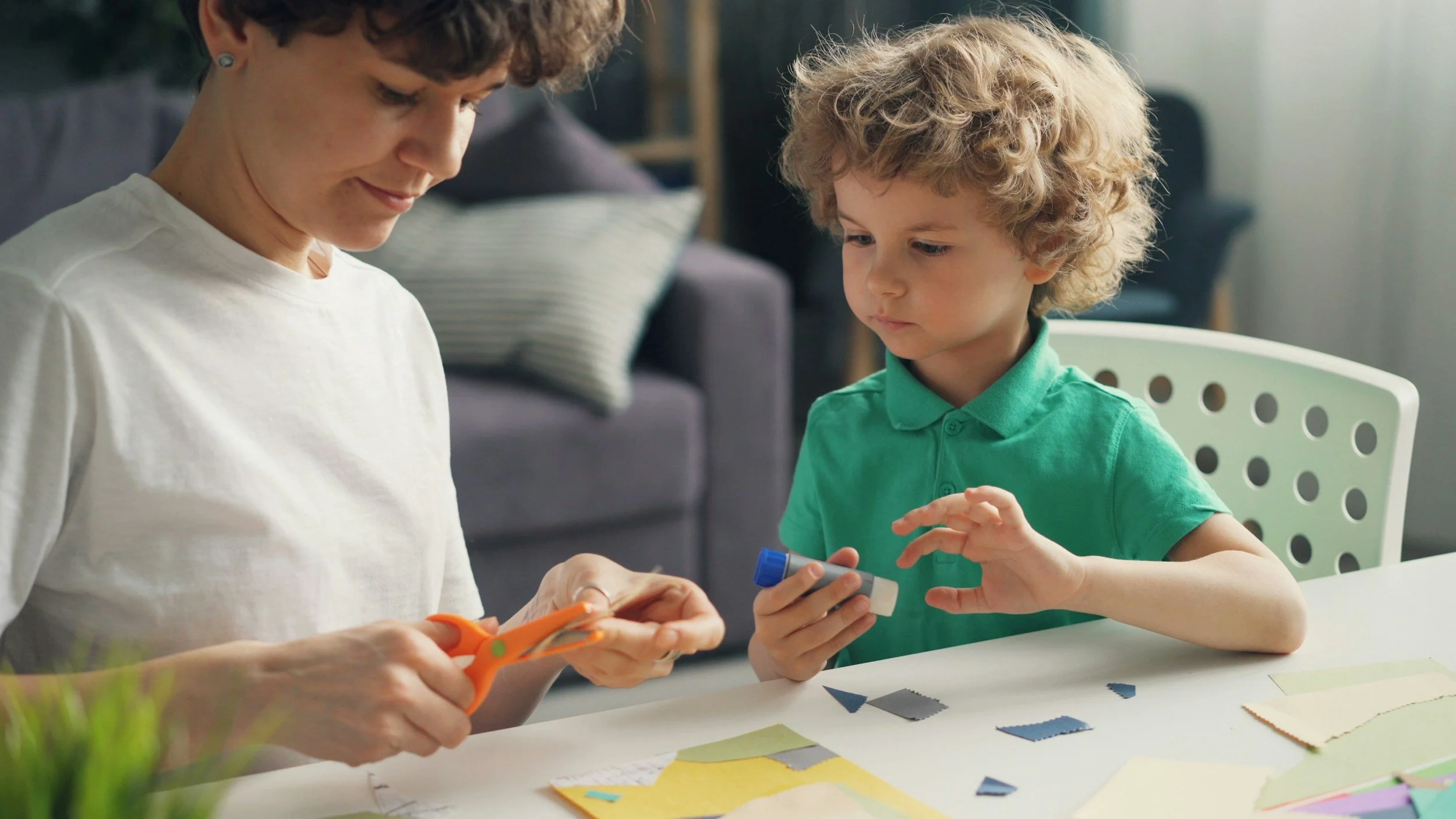
When your child struggles with coordination, whether it's messy handwriting, difficulty with sports, or challenges with daily tasks like tying shoes, it can impact far more than just motor skills.
These difficulties often affect academic performance, social participation, and self-esteem, leaving both children and parents feeling frustrated and misunderstood.
At Mind Matters in Berkeley, we specialize in comprehensive Developmental Coordination Disorder (DCD) evaluations that go beyond simple motor skills testing. Our assessments examine how coordination challenges impact your child's entire school and home experience, from PE class participation to homework completion. We understand that coordination difficulties aren't just physical, they're learning differences that require the same thoughtful understanding and support as any other neurodevelopmental variation.
Located in the heart of Berkeley, we're uniquely positioned to understand the academic expectations and active lifestyle that characterize our community. Our neurodiversity-affirming approach means we see coordination differences not as deficits to fix, but as variations that come with their own strengths and require specific accommodations to help your child thrive.
Children with DCD often appear "clumsy" or struggle with tasks that seem effortless for their peers, from handwriting and art projects to playground activities and sports participation.
Our comprehensive DCD evaluation process begins with a detailed developmental history and observation of your child in various motor tasks. We assess both fine motor skills (handwriting, cutting, drawing) and gross motor abilities (balance, coordination, sports skills) while examining how these challenges affect classroom performance, social interaction, and self-confidence. Our evaluation includes standardized motor assessments, classroom observation when possible, and collaboration with teachers and other professionals already working with your child.
The assessment process typically takes place over two to three sessions, allowing us to observe your child's motor skills in different contexts and when they're feeling comfortable and engaged. We pay special attention to how coordination challenges impact academic tasks, social participation, and emotional well-being, as these secondary effects are often the most concerning for families.
Following the evaluation, we provide detailed recommendations for accommodations, therapeutic interventions, and school supports. This may include recommendations for occupational or physical therapy, specific classroom modifications, adaptive equipment, or alternative ways to demonstrate learning that don't rely heavily on fine motor skills. Our goal is to help your child develop confidence and competence while ensuring their coordination challenges don't limit their potential.
Developmental Coordination Disorder (DCD) affects approximately 5-6% of children and involves significant difficulties with motor coordination that impact daily activities and academic performance.
Schedule Your DCD Assessment Today
Key Benefits
-
Our DCD evaluations go far beyond simple motor skills checklists to examine the complex interplay between coordination challenges and academic performance. We assess fine motor skills like handwriting and cutting, gross motor abilities including balance and sports participation, and motor planning skills that affect everything from organizing a backpack to following multi-step instructions.
In Berkeley's academically demanding environment, coordination challenges can significantly impact school success, from illegible handwriting affecting written assignments to difficulty with PE requirements influencing overall school participation. Our assessment considers how motor difficulties affect your child's ability to keep up with classroom demands, participate in extracurricular activities, and develop friendships through shared physical activities.
We provide specific recommendations for classroom accommodations that help your child succeed academically while addressing their coordination needs. This might include keyboard alternatives for written work, modified PE requirements, or specific seating and writing supports that improve focus and output.
-
Coordination challenges extend well beyond motor skills to affect academic performance, social relationships, and emotional development. Children with DCD often experience secondary effects including anxiety about physical activities, avoidance of certain tasks, and decreased self-esteem from repeated struggles with seemingly simple activities.
Berkeley's active, outdoor-focused culture means coordination challenges can particularly impact social participation and peer relationships. We assess how motor difficulties affect your child's participation in playground activities, sports teams, and group projects that require hands-on collaboration. Our evaluation considers the emotional and social toll of coordination challenges, helping families understand why their child might be reluctant to participate in certain activities or seem frustrated with schoolwork.
Our recommendations address both the primary motor difficulties and these important secondary effects, helping your child develop confidence and coping strategies while ensuring they have the support needed to participate fully in Berkeley's vibrant school and community activities. We work closely with families to identify strengths and interests that can build confidence while addressing coordination challenges.
-
We understand that effective DCD support requires strong collaboration between families, schools, and therapeutic providers. Our comprehensive evaluation includes specific recommendations for classroom accommodations, PE modifications, and teaching strategies that help your child succeed across all school environments.
Berkeley's schools are generally supportive of diverse learning needs, and we work within existing special education frameworks to ensure your child receives appropriate accommodations through 504 plans or IEPs when indicated. Our recommendations are practical and specific, addressing everything from alternative ways to demonstrate learning to modified physical education requirements that maintain participation while acknowledging coordination limitations.
We provide ongoing support through school meetings, helping explain your child's coordination profile to teachers and advocating for appropriate accommodations. Our team understands the local school landscape and can help navigate the process of securing support while maintaining high academic expectations appropriate for your child's cognitive abilities.
-
Following a DCD evaluation, many children benefit from occupational or physical therapy to develop motor skills and adaptive strategies. We maintain strong relationships with excellent pediatric therapists throughout the Berkeley and broader Bay Area, ensuring families can access appropriate therapeutic support close to home.
Our referral network includes therapists who specialize in school-age children and understand the academic demands that make coordination challenges particularly impactful during the elementary and middle school years. We provide detailed evaluation results to therapeutic providers, ensuring continuity of care and targeted intervention that addresses the specific motor challenges identified in our assessment.
We also coordinate care with other professionals who may be working with your child, including educational therapists, tutors, or other specialists. This collaborative approach ensures all providers understand how coordination challenges interact with other aspects of your child's development and learning profile, leading to more effective and efficient intervention.
-
DCD affects not just school performance but also daily living skills that are essential for developing independence and self-confidence. Our evaluation examines how coordination challenges impact activities like dressing, personal hygiene, organizing belongings, and completing chores, all important aspects of growing independence.
Berkeley families often value fostering independence and self-sufficiency in their children, and coordination challenges can interfere with age-appropriate development of these skills. We assess how motor difficulties affect your child's ability to manage daily routines, participate in household activities, and develop the practical skills needed for increasing independence as they grow.
Our recommendations include specific strategies for supporting daily living skills development, adaptive equipment that can reduce frustration, and ways to modify tasks to promote success and confidence. We help families identify which skills to prioritize and provide practical suggestions for supporting skill development at home while reducing daily stress and conflict.
-
DCD is a lifelong condition, but with appropriate understanding and support, children can develop effective strategies and achieve their goals across academic, social, and personal domains. Our evaluation includes discussion of long-term implications and planning considerations, helping families understand how to support their child's development over time.
We provide families with information about DCD and its typical course, helping parents understand what to expect and how coordination challenges might evolve as their child grows. This includes discussion of academic planning, extracurricular selection, and strategies for building on strengths while accommodating motor challenges throughout the school years and beyond.
Our ongoing consultation services allow families to revisit concerns and adjust strategies as their child develops, faces new academic demands, or encounters different challenges. We're available for follow-up consultations to help navigate transitions, address new concerns, or update accommodation recommendations as your child's needs evolve.
Service Categories
Comprehensive DCD Evaluation
Our complete Developmental Coordination Disorder assessment includes standardized motor skills testing, academic impact analysis, and detailed accommodation recommendations. This evaluation examines fine motor, gross motor, and motor planning abilities while considering how coordination challenges affect school performance, social participation, and daily living skills. Perfect for children with suspected DCD or those needing comprehensive documentation for school support.
Motor Skills Screening
A focused assessment designed to determine whether a full DCD evaluation is warranted or to examine specific motor concerns. This screening is ideal for parents who notice coordination difficulties but aren't sure about the extent of the challenges or the need for comprehensive assessment. Includes basic motor skills testing and recommendations for next steps.
School Accommodation Consultation
For children already diagnosed with DCD, we provide specialized consultation to develop appropriate school accommodations and support strategies. This service includes review of current supports, classroom observation when needed, and specific recommendations for teachers and support staff to help your child succeed academically while managing coordination challenges.
Follow-up Assessment and Planning
As children with DCD grow and face new academic and social demands, periodic reassessment helps ensure supports remain appropriate and effective. This service includes updated motor skills assessment, review of current accommodations, and adjusted recommendations based on your child's current needs and developmental stage.
Our Process
Step 1: Initial Consultation and History Gathering
We begin with a comprehensive consultation to understand your child's developmental history, current challenges, and family concerns. This 60-90 minute session includes detailed discussion of motor skills development, academic impact, social participation, and daily living challenges. We also review any previous evaluations or therapeutic services and coordinate with your child's current providers to ensure comprehensive understanding.
Step 2: Motor Skills Assessment Sessions
The core evaluation typically involves two assessment sessions where we observe your child completing various motor tasks in a comfortable, encouraging environment. We assess fine motor skills through writing, drawing, and manipulation tasks, gross motor abilities through movement and coordination activities, and motor planning through complex, multi-step activities. Sessions are designed to be engaging and to capture your child's best efforts.
Step 3: School and Environmental Observation
When possible and appropriate, we conduct brief observations in your child's classroom or other relevant environments to understand how coordination challenges impact real-world performance. This helps us provide more targeted and practical recommendations that address the specific demands your child faces in their daily school and home environments.
Step 4: Results Review and Recommendation Planning
We provide comprehensive results in a detailed written report and schedule a follow-up consultation to review findings, discuss recommendations, and plan next steps. This includes specific accommodation suggestions, therapeutic referrals when appropriate, and strategies for supporting your child's development at home and school.
Step 5: Ongoing Support and Advocacy
Following the evaluation, we're available for school meetings, consultation with therapeutic providers, and follow-up services as your child's needs evolve. Our commitment extends beyond the assessment to ensure your child receives appropriate support and that recommendations are effectively implemented.
Our Approach
Our approach to DCD evaluation is grounded in understanding each child as a whole person, not just a collection of motor challenges.
We recognize that coordination difficulties exist within the context of your child's unique strengths, interests, personality, and family situation. This comprehensive perspective allows us to provide recommendations that are not only technically sound but also practical and sustainable for your family's daily life.
We emphasize a neurodiversity-affirming approach that views coordination differences as variations in brain development rather than deficits to be fixed. This perspective helps children develop self-understanding and self-advocacy skills while ensuring they receive the support needed to participate fully in academic, social, and family activities. We work to identify and build on your child's strengths while addressing coordination challenges through accommodation and skill development.
Collaboration is central to our evaluation process. We actively involve parents, teachers, and other professionals in understanding your child's coordination profile and developing effective support strategies. This collaborative approach ensures that recommendations are realistic, evidence-based, and tailored to your child's specific environment and needs. We understand that effective support requires buy-in from everyone involved in your child's daily life.
Our Berkeley location allows us to understand the unique demands of local schools and the active lifestyle that characterizes our community. We're familiar with academic expectations, extracurricular opportunities, and community resources that can support children with coordination challenges. This local knowledge helps us provide recommendations that fit naturally within your child's existing environment while opening up new opportunities for success and participation.
Frequently Asked Questions
Mind Matters is a Berkeley-based psychology practice specializing in comprehensive evaluations for neurodivergent children and teens. Led by Dr. Rebecca Murray-Metzger, our team brings over 20 years of experience in developmental assessment and school-based collaboration to help families understand and support their children's unique learning profiles.
-
Consider evaluation if your child consistently struggles with age-appropriate motor tasks like handwriting, cutting, catching balls, or riding a bike, and these difficulties impact school performance or self-confidence. If teachers express concerns about written work quality, your child avoids physical activities, or daily tasks like dressing take significantly longer than peers, a comprehensive evaluation can clarify whether DCD is present and what supports would be helpful.
-
DCD involves persistent coordination difficulties that significantly impact daily activities and are not explained by other conditions. While all children develop motor skills at different rates, children with DCD show coordination challenges that are markedly below what would be expected for their age and cognitive abilities, interfering with academic achievement or activities of daily living despite adequate opportunities to learn.
-
Our comprehensive DCD evaluation typically requires 2-3 sessions over 2-4 weeks, including initial consultation, assessment sessions, and results review. Total assessment time is approximately 4-6 hours, with sessions designed to be engaging and comfortable for your child. We provide a detailed written report within two weeks of completing the assessment, followed by a consultation to review findings and recommendations.
-
Common accommodations include alternative methods for demonstrating learning (typing instead of handwriting, oral presentations instead of written reports), modified PE requirements, extended time for tasks involving fine motor skills, preferential seating, and access to adaptive equipment like special pencils or desk supports. Specific recommendations depend on your child's unique profile and the demands of their particular school environment.
-
Many children benefit from occupational therapy to develop motor skills and adaptive strategies, though the intensity and duration vary based on individual needs and family preferences. Some children need short-term intervention to learn specific strategies, while others benefit from longer-term support. Our evaluation includes recommendations for therapeutic services when appropriate, along with referrals to excellent local providers who specialize in pediatric motor skills development.
Get clarity on coordination challenges
Berkeley families trust our comprehensive DCD evaluation