
Fair Cognitive Assessment for Berkeley ESL Students
Language-Fair Testing That Distinguishes Learning Differences from Language Acquisition
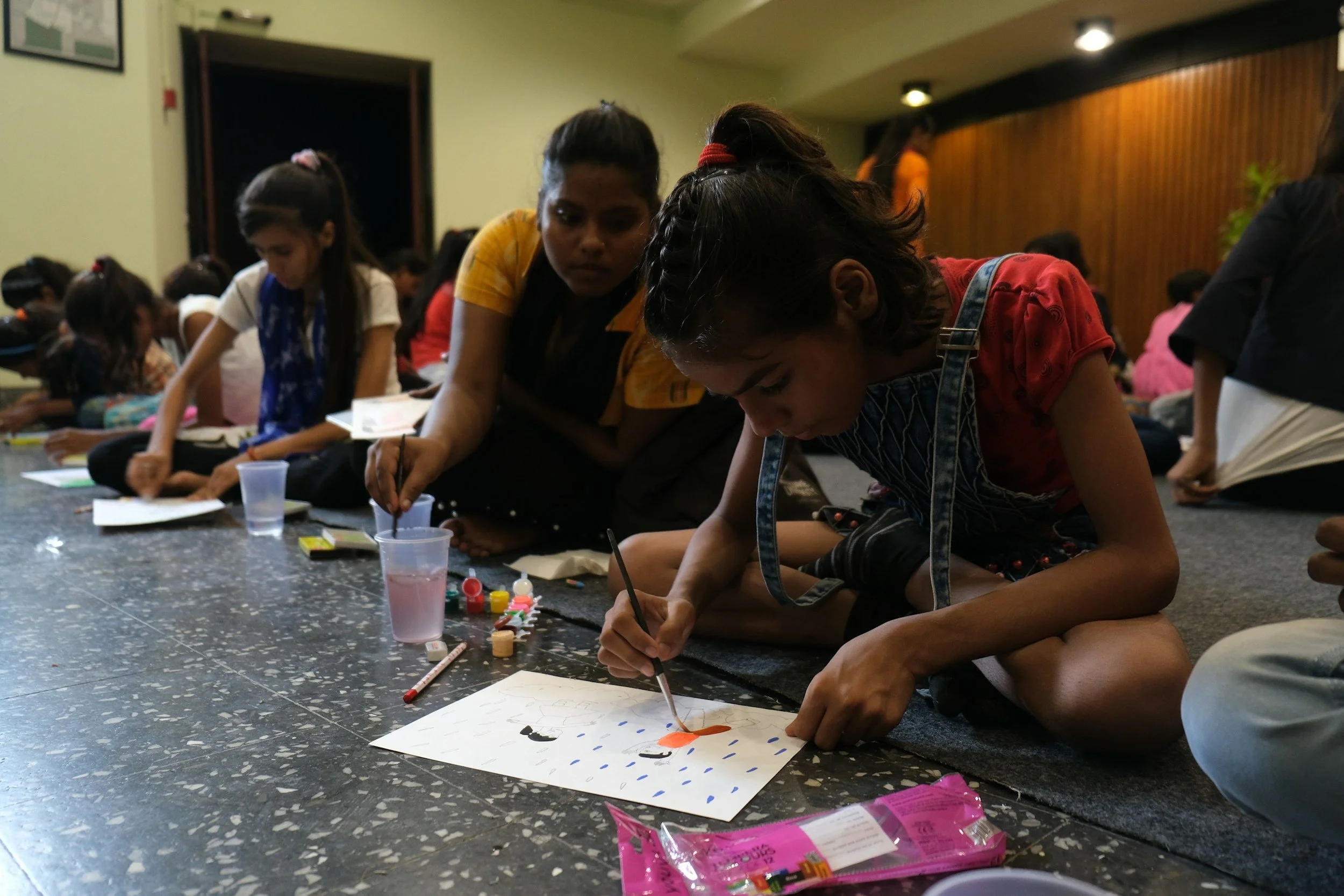
When your multilingual child struggles in school, it's often unclear whether they're facing a learning difference or simply need more time to develop English proficiency.
Berkeley's diverse immigrant families frequently encounter this challenging question, and traditional testing methods can unfairly assess children whose first language isn't English.
At Mind Matters, we provide specialized cognitive assessments designed specifically for English Language Learners in Berkeley. Our language-fair testing approach uses nonverbal measures and culturally responsive evaluation methods to accurately identify your child's cognitive strengths and challenges, separate from their English language development.
Located on Telegraph Avenue in the heart of Berkeley's diverse community, we understand the unique needs of multilingual families. Our assessments help distinguish between typical second-language acquisition patterns and genuine learning differences, ensuring your child receives appropriate support rather than being misidentified or overlooked in the school system.
Our comprehensive cognitive assessments for ESL students in Berkeley utilize specialized testing protocols that minimize language bias while providing accurate insights into your child's learning profile.
We employ nonverbal intelligence measures, visual-spatial tasks, and culturally responsive assessment tools that evaluate cognitive abilities independent of English language proficiency.
The evaluation process considers your child's linguistic background, cultural context, and educational history. We assess cognitive processing in areas like working memory, processing speed, and reasoning abilities using methods that don't rely heavily on English vocabulary or cultural knowledge that may not reflect your child's true capabilities.
Our bilingual-informed approach includes gathering detailed developmental history in your family's primary language, understanding your child's educational experiences across different language contexts, and interpreting results within the framework of normal second-language acquisition patterns. This comprehensive methodology ensures we're measuring your child's actual cognitive abilities rather than their English proficiency level.
The assessment results provide clear recommendations for school accommodations, distinguish between language acquisition needs and learning differences, and offer practical strategies for supporting your child's academic success while they continue developing English proficiency. Our goal is to ensure your child receives appropriate educational support that honors both their linguistic journey and their individual learning needs.
Get Fair Assessment for Your Child
Key Benefits
-
Traditional cognitive assessments often underestimate multilingual children's abilities because they rely heavily on English vocabulary and cultural knowledge. Our specialized approach uses nonverbal intelligence measures, visual-spatial tasks, and performance-based assessments that evaluate your child's cognitive strengths independent of their English proficiency level.
In Berkeley's diverse educational landscape, where over 30% of students are English Language Learners, we see many bright children whose true abilities are masked by language barriers in conventional testing. Our assessment protocols include culture-reduced measures that focus on reasoning, problem-solving, and cognitive processing rather than accumulated English-based knowledge.
This approach reveals your child's actual intellectual potential and identifies specific areas where they excel, providing a foundation for educational planning that builds on their strengths while addressing genuine learning needs rather than language acquisition challenges.
-
One of the most critical challenges facing Berkeley's multilingual families is determining whether academic struggles stem from learning differences or natural second-language acquisition processes. Our specialized evaluation protocol carefully differentiates between these two distinct situations, preventing both over-identification and under-identification of learning needs.
We analyze your child's academic performance patterns, considering typical timelines for English language development alongside cognitive processing indicators. This analysis includes examining your child's abilities in their primary language, their rate of English acquisition, and whether difficulties appear across linguistic contexts or only in English-based tasks.
Berkeley families benefit from this precise diagnostic approach because it leads to appropriate interventions. Children experiencing typical language acquisition receive ESL support and time to develop proficiency, while those with genuine learning differences get specialized services they need regardless of their multilingual status, ensuring no child falls through the cracks.
-
Our evaluation process honors your family's cultural and linguistic background, recognizing that children's cognitive development occurs within specific cultural contexts. We gather comprehensive background information about your child's educational experiences, family language use patterns, and cultural learning styles that may influence their academic performance.
Berkeley's rich multicultural community includes families from dozens of countries, each bringing unique educational traditions and learning approaches. Our assessment considers these cultural factors when interpreting results, ensuring that differences in cultural learning styles aren't mistakenly identified as cognitive deficits or learning disabilities.
This culturally informed approach extends to our recommendations, which consider your family's values, communication styles, and educational goals. We provide practical strategies that work within your cultural context while helping your child succeed in Berkeley's academic environment, creating a bridge between home and school expectations.
-
Navigating Berkeley's educational system as a multilingual family can be overwhelming, especially when advocating for appropriate services and accommodations. Our team provides expert support during school meetings, helping interpret evaluation results and ensuring your child's bilingual status is properly considered in educational planning.
We attend IEP and 504 plan meetings with families, translating complex psychological findings into actionable educational recommendations. Our advocacy focuses on securing language-appropriate accommodations, such as extended time for processing in English, access to bilingual resources, and teaching methods that support multilingual learners.
Berkeley schools benefit from our expertise in distinguishing between language acquisition needs and learning accommodations, leading to more effective educational plans. We help school teams understand your child's cognitive profile within the context of bilingual development, ensuring they receive appropriate challenges and support rather than modified expectations based on language proficiency alone.
-
Supporting a child's academic success while maintaining heritage language development requires specialized knowledge and strategies. We provide comprehensive parent guidance that helps you navigate the complex intersection of cognitive development, academic achievement, and multilingual identity in Berkeley's competitive educational environment.
Our consultations address common concerns like whether to continue heritage language instruction, how to support homework in a second language, and strategies for building academic vocabulary across languages. We help families create home learning environments that strengthen both cognitive development and cultural identity.
Berkeley families receive practical tools for supporting their child's educational journey, including recommendations for bilingual resources, strategies for communicating effectively with teachers about multilingual needs, and methods for building academic confidence while honoring cultural values and maintaining family linguistic connections.
-
Children's cognitive and linguistic development continues evolving, especially for multilingual learners who may show different patterns of growth across languages and academic areas. We provide ongoing follow-up services to monitor your child's progress and adjust recommendations as their language proficiency and academic needs develop.
Our follow-up consultations track how well educational interventions are working, whether accommodations remain appropriate as English proficiency increases, and when additional assessments might be beneficial. This monitoring ensures your child receives continuous support matched to their developing abilities rather than static interventions based on initial evaluation results.
Berkeley families value this long-term support because multilingual children's educational needs can shift significantly as they progress through different academic levels and language development stages. Our ongoing relationship helps ensure your child's educational plan evolves appropriately with their growth and changing linguistic competence.
Service Categories
Comprehensive Bilingual Evaluations
Full psychoeducational assessments using language-fair testing protocols for multilingual students. Includes cognitive testing, academic achievement evaluation, and detailed analysis of language acquisition versus learning difference patterns. Provides complete educational recommendations and diagnostic clarity for Berkeley ESL families seeking thorough understanding of their child's learning profile.
Nonverbal Cognitive Testing
Specialized IQ testing using culture-reduced, nonverbal measures that assess reasoning abilities independent of English proficiency. Ideal for recent immigrants or students with limited English exposure who need cognitive assessment for gifted programs, school placement, or learning difference identification without language bias affecting results.
Educational Advocacy Services
Professional support during school meetings for families of multilingual students. Includes explanation of evaluation results, advocacy for appropriate accommodations, and ensuring school teams understand the difference between language acquisition needs and learning disabilities for effective educational planning.
Parent Guidance for ESL Families
Consultations focused on supporting multilingual children's academic success while maintaining heritage language development. Addresses concerns about language development, academic support strategies, and navigating Berkeley's educational system as multilingual families with specific cultural and linguistic considerations.
Language Development Screening
Focused assessments to determine whether academic concerns reflect normal second-language acquisition patterns or indicate need for additional evaluation. Provides clarity for Berkeley families questioning whether their child needs more time for English development or specialized learning support.
Our Process
1. Initial Consultation and Background Gathering
We begin with a comprehensive consultation to understand your child's linguistic history, educational background, and current concerns. This includes detailed discussion of language use at home, previous schooling experiences, and specific academic challenges you've observed. We gather information about your child's development in their primary language and cultural factors that may influence learning.
Timeframe: 60-90 minutes
2. Culturally Responsive Assessment Administration
Your child completes specialized cognitive and academic testing using language-fair measures and nonverbal assessment tools. We create a comfortable testing environment that honors your child's cultural background while ensuring accurate measurement of their abilities, independent of English proficiency level.
Timeframe: 4-6 hours across multiple sessions
3. Bilingual Results Analysis and Interpretation
We carefully analyze results within the context of normal multilingual development patterns, distinguishing between language acquisition factors and cognitive processing differences. This includes comparing performance across different types of tasks and considering cultural factors that may influence test performance and learning approaches.
Timeframe: 2-3 weeks for comprehensive analysis
4. Family Feedback and Educational Planning
We meet with your family to explain results in clear terms, provide practical recommendations for home and school support, and develop an action plan that honors your child's multilingual journey while addressing their educational needs.
Timeframe: 90-minute feedback session
Our Approach
Our approach to cognitive assessment for Berkeley's ESL students is grounded in understanding that intelligence manifests differently across cultures and languages.
We believe every child deserves evaluation methods that reveal their true cognitive abilities rather than measuring their English vocabulary or familiarity with mainstream American cultural references.
We utilize evidence-based, language-fair assessment protocols that have been specifically validated for use with multilingual populations. This includes nonverbal reasoning measures, visual-spatial tasks, and performance-based evaluations that minimize cultural and linguistic bias. Our methodology recognizes that cognitive abilities can be accurately assessed even when language proficiency is still developing.
Our evaluation process is inherently collaborative, involving parents as cultural interpreters who help us understand their child's learning context, strengths observed at home, and cultural values that influence educational goals. We work with Berkeley's diverse school communities to ensure our recommendations translate into effective classroom strategies that support multilingual learners.
Most importantly, our approach is strength-based and neurodiversity-affirming. We view multilingualism as a cognitive advantage rather than a deficit, and we help families and schools recognize the sophisticated thinking skills required for navigating multiple language systems. Our assessments identify not just areas of need, but cognitive strengths that can be leveraged for academic success while your child continues developing English proficiency.
Frequently Asked Questions
Mind Matters has served Berkeley families since 2020 from our Telegraph Avenue location, specializing in neurodiversity-affirming evaluations for children and teens. Dr. Rebecca Murray-Metzger brings extensive expertise in multicultural assessment and educational advocacy to support the Bay Area's diverse communities.
-
We use specialized assessment protocols that examine your child's performance across different types of tasks, including nonverbal measures and analysis of their abilities in their primary language. We also consider typical timelines for second-language acquisition and look for patterns that distinguish normal language development from learning differences that appear across linguistic contexts.
-
Our assessments use culture-reduced measures and nonverbal testing protocols specifically designed for multilingual students. We spend significantly more time gathering cultural and linguistic background information, and we interpret results within the framework of bilingual development rather than comparing your child only to English-speaking peers.
-
The complete process typically takes 4-6 weeks from initial consultation to final results meeting. Testing sessions may be slightly longer to ensure your child feels comfortable and can demonstrate their true abilities without language pressure affecting their performance.
-
Yes, we provide detailed written reports with specific educational recommendations, and we offer school meeting attendance to help explain results and advocate for appropriate accommodations that distinguish between language acquisition support and learning difference interventions.
-
While our formal reports are in English as required by schools, we ensure that all verbal explanations are clear and accessible to families, and we can discuss results and recommendations in ways that honor your family's primary language and cultural context.
Fair Assessment for Your Berkeley Student
Language-fair testing that reveals true abilities