
Auditory Processing Disorder Testing in Berkeley, CA
Finally understand why your child struggles to follow directions despite perfect hearing
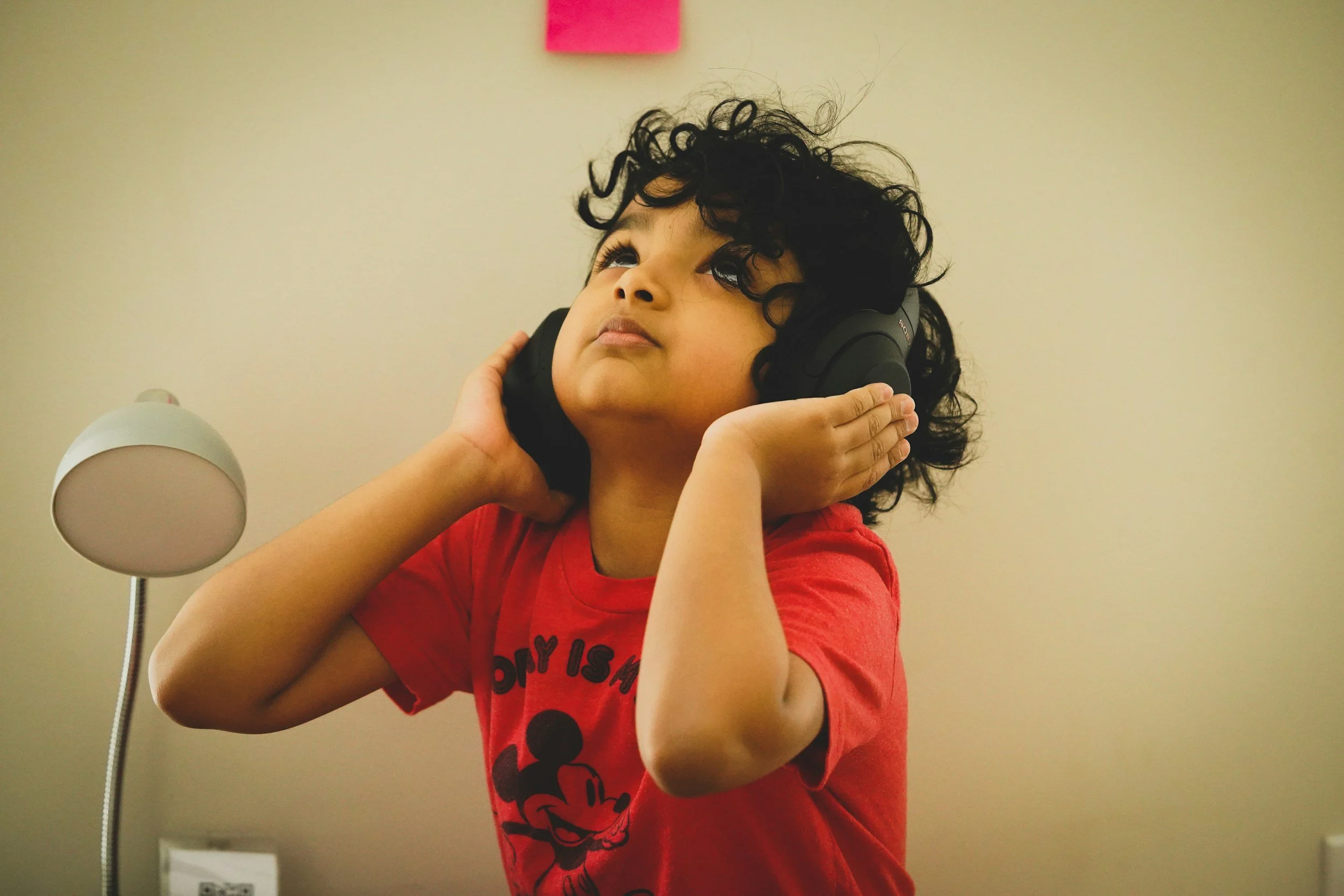
Does your child seem to ignore you when you give instructions, yet their hearing test came back normal?
Do they struggle to follow multi-step directions, frequently ask "what?" or seem overwhelmed in noisy classroom environments? You're not imagining it, and your child isn't being defiant. They may have Auditory Processing Disorder (APD), a condition where the brain has difficulty interpreting sounds correctly.
At Mind Matters Berkeley, we specialize in comprehensive auditory processing evaluations that distinguish between hearing problems and central processing challenges. Unlike a standard hearing test that only checks if sounds reach the ear, our APD assessments examine how your child's brain interprets and organizes auditory information. This crucial distinction means the difference between getting your child the right support versus continuing to struggle with misunderstood behaviors.
Located on Telegraph Avenue in Berkeley, our practice serves families throughout the East Bay who need answers about their child's auditory processing challenges. We work closely with local audiologists and coordinate with Berkeley schools to ensure your child receives appropriate classroom accommodations and environmental modifications.
Auditory Processing Disorder evaluation involves specialized testing that goes far beyond traditional hearing assessments.
Our comprehensive APD testing examines how your child's central nervous system processes auditory information, from simple sound discrimination to complex language comprehension in challenging listening environments.
Our evaluation process begins with detailed background information gathering, including developmental history, academic concerns, and specific examples of auditory processing difficulties. We then conduct standardized auditory processing tests that assess various aspects of sound processing: auditory discrimination, auditory memory, auditory sequencing, and processing in competing noise conditions. These tests help us understand exactly where the breakdown occurs in your child's auditory system.
During testing, we evaluate your child's ability to process speech in noise, understand rapid speech, follow complex directions, and integrate auditory information with other sensory input. We also assess how auditory processing challenges may be impacting academic performance, social interactions, and daily functioning. This comprehensive approach ensures we capture the full picture of your child's auditory processing profile.
Following evaluation, we provide detailed recommendations for environmental modifications, assistive technology like FM systems, preferential classroom seating, and specific strategies for home and school. We coordinate with your child's teachers and audiologists to implement appropriate accommodations, ensuring your child receives comprehensive support across all environments where auditory processing challenges impact their success.
Get Answers About Your Child's APD
Key Benefits
-
Many children with Auditory Processing Disorder are misdiagnosed with ADHD because both conditions can look similar in the classroom. A child who appears inattentive or distractible may actually be struggling to process auditory information rather than having attention difficulties. Our specialized APD evaluation distinguishes between these conditions through targeted testing that examines how your child processes sound versus how they sustain attention.
In Berkeley's diverse educational environment, this distinction is particularly important. Local schools often refer children for ADHD evaluations when the real issue is auditory processing. Our comprehensive assessment examines both possibilities, ensuring your child receives an accurate diagnosis. We work with Berkeley Unified School District and local private schools to help educators understand the difference between processing and attention challenges.
The outcome of accurate diagnosis is transformative for families. Instead of wondering why behavioral interventions aren't working, or why your child seems to ignore you despite consequences, you'll understand that your child needs auditory support strategies rather than attention-focused interventions. This clarity helps parents and teachers respond appropriately to your child's needs.
-
Auditory Processing Disorder evaluation requires coordination between psychology and audiology services to ensure comprehensive assessment. While audiologists test the mechanics of hearing, our psychological evaluation examines the cognitive aspects of auditory processing. This collaborative approach provides the complete picture needed for accurate APD diagnosis and effective intervention planning.
We maintain strong relationships with audiologists throughout the Berkeley and Oakland areas, creating seamless referral processes when hearing assessment is needed alongside our psychological testing. This coordination is particularly valuable for Berkeley families because it eliminates the confusion of managing multiple appointments and ensures all providers are working with consistent information about your child's auditory profile.
Our collaborative model means you receive integrated recommendations that address both the auditory and cognitive aspects of processing difficulties. Rather than receiving separate reports that may contradict each other, you get unified guidance for supporting your child at home and school. We communicate directly with referring audiologists to ensure intervention strategies align across all aspects of your child's auditory processing needs.
-
Effective APD intervention requires specific environmental modifications and classroom accommodations tailored to your child's unique processing profile. Our evaluation identifies exactly which types of auditory environments create challenges for your child, leading to targeted recommendations for reducing background noise, optimizing seating arrangements, and implementing assistive technology like FM systems or sound field amplification.
Berkeley schools are generally receptive to implementing evidence-based accommodations for students with documented auditory processing needs. We work directly with your child's teachers and school support teams to explain evaluation results and help implement appropriate modifications. This might include preferential seating away from noisy hallways, access to written instructions alongside verbal directions, or modified testing environments with reduced auditory distractions.
Our recommendations extend beyond the classroom to home environments and social settings. We provide specific strategies for improving communication at home, reducing auditory overwhelm during family activities, and helping your child advocate for their needs in various listening environments. These practical modifications help your child succeed across all settings where auditory processing impacts their functioning.
-
At Mind Matters, we approach Auditory Processing Disorder through a neurodiversity-affirming lens that recognizes auditory processing differences as variations in brain function rather than deficits to be fixed. This perspective helps children and families understand that APD represents a different way of processing sound, one that comes with both challenges and potential strengths like enhanced visual processing or creative problem-solving abilities.
Our evaluation process emphasizes identifying your child's auditory processing strengths alongside areas of challenge. Many children with APD develop exceptional visual learning skills or demonstrate superior abilities in music or pattern recognition. We incorporate these strengths into our recommendations, helping teachers and parents build on what your child does well while providing support for auditory processing difficulties.
This strengths-based approach is particularly important for Berkeley families who value diverse learning styles and want their children to develop positive self-concept around their neurological differences. Rather than focusing solely on what your child cannot do, we help them understand how their brain works differently and provide tools for success that honor their unique processing style.
-
Parents play a crucial role in supporting children with Auditory Processing Disorder, but many families feel overwhelmed by conflicting advice about how to help at home. Our evaluation includes specific parent guidance focused on practical strategies for improving communication, reducing auditory overwhelm, and building your child's self-advocacy skills in daily family interactions.
We provide detailed recommendations for modifying home environments to support your child's auditory processing needs. This includes strategies for reducing background noise during homework time, improving communication during busy family routines, and helping your child participate successfully in family conversations and social activities. These modifications are particularly important for Berkeley families living in urban environments with high ambient noise levels.
Our parent guidance extends to helping you communicate effectively with your child's school and advocate for appropriate services. We prepare parents to participate confidently in IEP or 504 plan meetings, understand their rights regarding auditory processing accommodations, and work collaboratively with teachers to implement consistent strategies across home and school environments.
-
Auditory Processing Disorder support needs evolve as children develop and face new academic and social challenges. Our follow-up services ensure families have ongoing support as your child progresses through different grade levels and encounters new auditory processing demands in their educational and social environments.
We offer regular check-ins to assess how well accommodations are working and adjust recommendations as needed. This is particularly valuable as children transition between elementary and middle school, or when changing schools within the Berkeley area. Academic demands change significantly across grade levels, and APD accommodations often need modification to remain effective.
Our long-term support includes advocacy during school meetings when new challenges arise, consultation when teachers have questions about implementing accommodations, and guidance when families are considering educational program changes. We maintain relationships with local schools and can provide direct communication with educators when issues arise with accommodation implementation.
Service Categories
Comprehensive Psychoeducational Evaluations
Our full evaluations examine auditory processing within the context of overall cognitive and academic functioning. This comprehensive approach helps distinguish APD from other learning differences and provides a complete understanding of your child's learning profile. Includes coordination with audiological services when needed and detailed recommendations for school and home interventions. Typically completed over 2-3 sessions with a thorough feedback meeting for parents and child.
Focused Auditory Processing Screenings
Targeted assessments specifically designed to evaluate auditory processing concerns when families have specific questions about sound processing difficulties. These screenings include background noise processing, auditory memory, and sound discrimination testing. Ideal for families seeking to understand specific auditory challenges without comprehensive cognitive assessment. Results include targeted recommendations for environmental modifications and classroom accommodations.
School Meeting Advocacy and Support
Professional advocacy services for families whose children have completed APD evaluation with our practice. Dr. Murray-Metzger attends IEP, 504, or school team meetings to explain evaluation results, advocate for appropriate accommodations, and ensure schools understand your child's auditory processing needs. Particularly valuable for implementing FM systems, environmental modifications, and testing accommodations in Berkeley area schools.
Parent Guidance Consultations
Specialized consultations for parents who suspect auditory processing issues but aren't sure if evaluation is needed. These sessions help families understand APD symptoms, distinguish processing issues from attention problems, and determine appropriate next steps. Includes guidance on environmental modifications you can try at home and questions to discuss with your child's teachers before pursuing formal evaluation.
Follow-up and Transition Support
Ongoing consultation services for families who have completed APD evaluation, addressing new challenges as children develop or change schools. Includes accommodation reviews, teacher consultation, and guidance during transitions between elementary, middle, and high school. Ensures APD supports remain effective as academic and social demands evolve throughout your child's educational journey.
Our Process
Step 1: Initial Consultation and History Gathering
We begin with a comprehensive consultation to understand your Berkeley High student's specific academic challenges and goals. During this 60-90 minute session, we review your teen's educational history, current difficulties at BHS, and family concerns about academic performance. We discuss which evaluation approach best fits your student's needs and timeline, whether a focused 504 assessment or a comprehensive evaluation will provide the most helpful information. This planning phase ensures our evaluation directly addresses the challenges your teen faces in Berkeley High's academic environment.
Step 2: Comprehensive Auditory Processing Assessment
Our evaluation includes specialized testing of various auditory processing skills using standardized measures appropriate for your child's age and developmental level. Testing typically occurs over 2-3 sessions and includes assessment of auditory discrimination, auditory memory, processing in noise, and integration of auditory information with other cognitive skills. We create a comfortable, supportive testing environment that allows your child to demonstrate their best abilities while identifying specific areas of auditory processing difficulty.
Step 3: Audiological Coordination When Needed
If indicated by our psychological assessment, we coordinate with local audiologists to ensure a comprehensive evaluation of both hearing acuity and central auditory processing. We maintain relationships with the Berkeley area audiologists who specialize in pediatric auditory processing assessment. This collaboration ensures you receive integrated recommendations that address both the auditory and cognitive aspects of processing difficulties, eliminating confusion from conflicting reports or recommendations.
Step 4: Results Integration and Recommendation Development
We carefully analyze all assessment results to develop a complete understanding of your child's auditory processing profile, including both strengths and challenges. Our recommendations are tailored to your child's specific needs and include detailed guidance for environmental modifications, classroom accommodations, assistive technology options, and home support strategies. We also provide clear explanations of how auditory processing difficulties impact academic and social functioning.
Step 5: Family Feedback and School Coordination
Our comprehensive feedback session includes a detailed explanation of evaluation results for parents, followed by an age-appropriate feedback session with your child to help them understand their auditory processing profile. We provide written reports suitable for sharing with schools and coordinate with your child's teachers to implement recommended accommodations. Ongoing support includes school meeting advocacy and consultation as needed to ensure successful intervention implementation.
Our Approach
Our approach to Auditory Processing Disorder evaluation is grounded in understanding that APD represents a neurological difference in how the brain processes sound, rather than a hearing problem or behavioral issue.
We take a comprehensive, family-centered approach that examines auditory processing within the context of your child's overall development, academic functioning, and social-emotional well-being.
We recognize that APD often coexists with other learning differences or may be misidentified as attention problems. Our evaluation process carefully distinguishes between auditory processing difficulties, hearing loss, attention challenges, and other learning differences. This differential diagnosis approach is crucial for ensuring your child receives appropriate interventions rather than ineffective treatments based on a misunderstanding of their core challenges.
Our neurodiversity-affirming perspective means we approach APD as a different way of processing auditory information that comes with both challenges and strengths. We work to identify your child's auditory and cognitive strengths while providing practical strategies for managing processing difficulties. This balanced approach helps children develop positive self-understanding and effective self-advocacy skills.
Located in Berkeley, we understand the diverse educational landscape of the East Bay and work collaboratively with local schools, audiologists, and families to ensure comprehensive support for children with auditory processing differences. Our recommendations are tailored to the specific resources and programs available in Berkeley area schools, and we provide ongoing advocacy to ensure appropriate implementation of accommodations and environmental modifications.
Frequently Asked Questions
Mind Matters has served Berkeley families since our establishment, specializing in comprehensive psychological evaluations for children and adolescents with learning and developmental differences. Located on Telegraph Avenue, our practice focuses on neurodiversity-affirming assessment and school-based collaboration throughout the East Bay.
-
Hearing loss occurs when sounds don't reach the inner ear properly, while APD happens when sounds reach the ear normally, but the brain has difficulty interpreting or organizing that auditory information. Children with APD typically pass standard hearing tests but struggle to process speech in noisy environments, follow complex directions, or distinguish between similar sounds. Our evaluation specifically examines these central processing abilities rather than peripheral hearing function.
-
Yes, APD and ADHD can appear very similar in classroom settings. Both conditions may cause children to seem inattentive, distractible, or unable to follow directions. However, children with APD specifically struggle with auditory information processing, while children with ADHD have broader attention regulation difficulties. Our comprehensive evaluation distinguishes between these conditions through specialized testing that examines both auditory processing and attention abilities.
-
Common accommodations include preferential seating away from noise sources, access to FM systems or sound fiel amplification, written instructions to supplement verbal directions, modified testing environments with reduced auditory distractions, and extended time for processing verbal information. We work directly with Berkeley area schools to implement evidence-based accommodations and provide teacher education about supporting students with auditory processing differences.
-
Our comprehensive APD evaluation typically requires 2-3 testing sessions lasting 2-3 hours each, plus initial consultation and feedback meetings. The exact timeline depends on your child's age, attention span, and specific assessment needs. We schedule sessions to minimize fatigue and ensure accurate results, often spacing appointments over several weeks to accommodate school schedules and your family's availability.
-
Many families benefit from periodic follow-up consultations as their child's needs evolve through different developmental stages and school transitions. We offer ongoing support services, including school meeting advocacy, accommodation reviews, and consultation when new challenges arise. However, the need for ongoing support varies depending on your child's specific profile and how well initial accommodations address their auditory processing needs.
Why Don't They Listen? Get Berkeley APD Testing
Expert auditory processing evaluation for East Bay families